How Can Students Build an Environmentally Conscious Start-Up?
Gusti Ayu Tita P
7 November 2025
How Students Can Build Environmentally Friendly Start-Ups
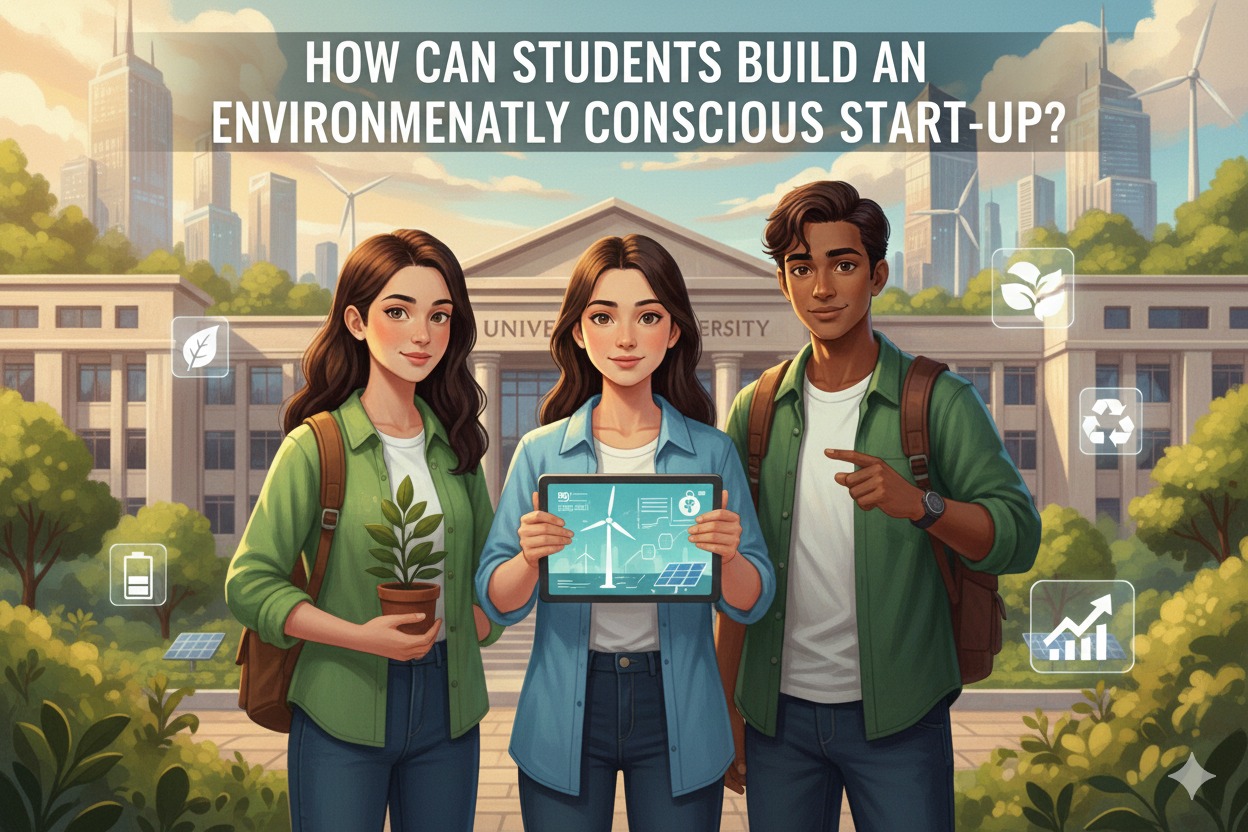
Amid global challenges related to climate change and environmental degradation, more and more students are becoming interested in building start-ups that are not only profit-oriented but also focused on creating positive environmental impact. They realize that, as the next generation, they have a responsibility to develop solutions that help protect the planet and ensure its sustainability. So, how can students build start-ups that truly care about the environment? This article discusses practical steps for creating sustainable and eco-friendly businesses.
What Is an Environmentally Friendly Start-Up?
An environmentally friendly start-up is a business established with the goal of creating products or services that reduce negative environmental impact or even provide direct benefits to environmental preservation. These businesses can operate in various fields, such as green technology, waste management, renewable energy, sustainable agriculture, or solutions aimed at reducing carbon footprints.
Such start-ups focus on sustainability and aim to meet present needs without compromising the ability of future generations to meet their own needs. In other words, they are built on the triple bottom line: economic profit, social well-being, and environmental protection.
Steps to Building an Environmentally Conscious Start-Up
1. Identify the Environmental Problem to Be Solved
The first step is identifying a real environmental issue. Students should start by understanding environmental problems around them, whether at a local, national, or global level. These may include plastic waste, air pollution, clean water shortages, or inefficient energy use.
Once the problem is identified, students can explore innovative solutions that align with their passions and skills. For example, students interested in technology may develop applications to reduce food waste, while those passionate about agriculture may design more sustainable farming models.
2. Conduct Market Research and Understand Consumer Needs
After defining the problem, the next step is market research. Identifying potential users and understanding whether there is demand for eco-friendly solutions is essential. Market research also helps assess competition and identify what can differentiate the start-up from existing solutions.
3. Develop Innovative and Practical Ideas
Successful start-ups require innovation that is both creative and applicable. Environmental innovation can range from technologies that reduce natural resource consumption to products that prioritize recycling and eco-friendly materials.
For instance, students can develop products made from recycled materials or design solutions that help individuals and companies reduce their carbon emissions. Leveraging modern technologies such as the Internet of Things (IoT), big data, or blockchain can further enhance efficiency and effectiveness.
4. Apply Circular Economy Principles
The concept of the circular economy is crucial in building environmentally friendly start-ups. Unlike the linear model of “produce, use, and discard,” the circular economy aims to reduce waste and maximize reuse.
Students can create start-ups focused on collecting and recycling used products or designing goods that are durable, repairable, and reusable. This approach not only benefits the environment but also supports long-term business sustainability.
5. Focus on Social and Educational Initiatives
Beyond products and services, students can also develop educational programs and social initiatives to raise public awareness about environmental issues. These may include awareness campaigns, training programs, or workshops that educate communities about sustainable practices.
For example, a student-led start-up might offer waste management training or promote the benefits of renewable energy. This way, the business contributes not only through its products but also by shaping more sustainable mindsets.
6. Seek Funding That Supports Sustainability
Funding is often one of the biggest challenges for start-ups. Fortunately, there is growing support for sustainability-focused businesses. Students can seek funding from impact investors, start-up competitions, incubator programs, or crowdfunding platforms. Additionally, many foundations and institutions offer grants specifically for environmental and sustainability initiatives.
Challenges in Building Eco-Friendly Start-Ups
Despite their potential, environmentally conscious start-ups also face challenges, such as limited resources and capital. Moreover, marketing sustainable products often requires extra effort to convince consumers that eco-friendly options offer long-term value compared to cheaper, conventional alternatives.
However, with support from governments, universities, and entrepreneurial communities, students now have greater opportunities and resources to develop and scale their green start-ups.
Conclusion: Building Eco-Friendly Start-Ups as an Investment in the Future
Building an environmentally friendly start-up is a positive step that not only offers financial potential but also contributes to environmental preservation and social well-being. For students, it is an excellent opportunity to combine entrepreneurial spirit with a meaningful mission to protect the planet.
By understanding environmental problems, conducting market research, and developing sustainable innovations, students can create start-ups that are both commercially successful and environmentally impactful. The world needs more innovators who care about the future of the Earth—and students can be at the forefront of that change.
Tentang Penulis
Gusti Ayu Tita P
Penulis — Universitas STEKOM
Penulis aktif yang berfokus pada isu-isu akademik, teknologi pendidikan, dan pengembangan sumber daya manusia di lingkungan kampus.