Are Trust Issues Always Caused by Negative Past Experiences?
Gusti Ayu Tita P
26 September 2026
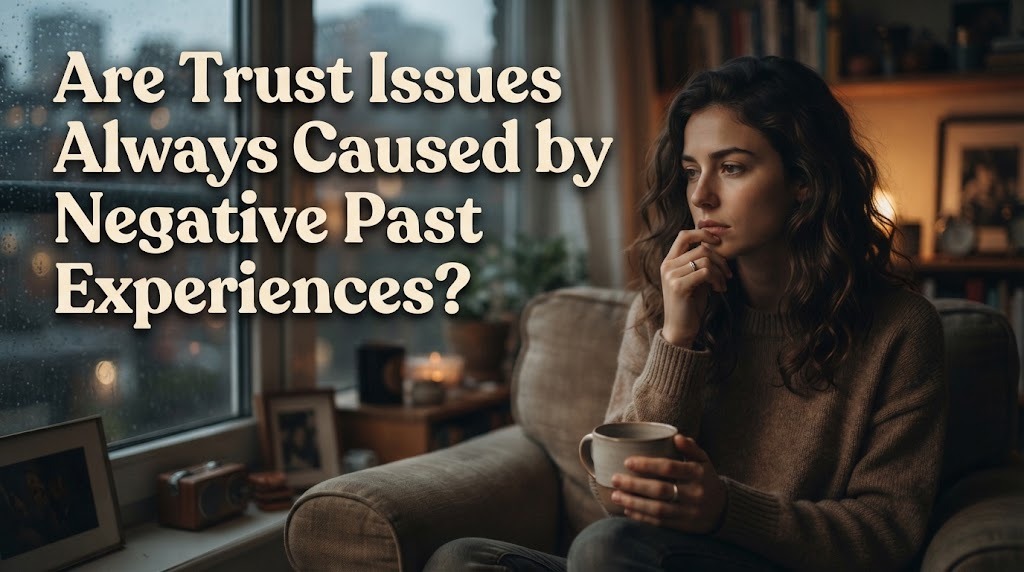
Trust issues are often connected to negative past experiences, such as betrayal, rejection, broken promises, or disappointing relationships. These experiences can make someone more cautious and afraid of experiencing similar pain again. However, not every trust issue can be explained by one specific negative event.
Trust can also be influenced by insecurity, fear, personal beliefs, communication patterns, and individual differences. Some people may struggle to trust others even when they have not experienced serious betrayal. Understanding these different factors can help explain why trust issues develop differently from one person to another.
NEGATIVE PAST EXPERIENCES CAN AFFECT TRUST
Painful experiences are one of the common reasons people develop trust issues. Being betrayed by a partner, lied to by a friend, or repeatedly disappointed by someone close can make it harder to trust again. The mind may become more cautious because it wants to avoid experiencing the same emotional pain.
Past experiences can influence how someone interprets new situations. Previous betrayal may create expectations that similar events will happen again, even when there is no clear evidence. This can lead to suspicion, overthinking, and difficulty becoming emotionally close to others.
INSECURITY CAN CONTRIBUTE TO TRUST ISSUES
Trust issues can also be influenced by personal insecurity. Someone who frequently doubts their own value may worry that others will eventually leave, reject, or replace them. These concerns can make relationships feel uncertain even when the other person has not done anything wrong.
Low self confidence can affect how people interpret everyday interactions. Insecurity may cause neutral situations to feel like signs of rejection or betrayal. Developing a stronger sense of self worth can therefore help someone feel more secure when interacting with others.
FEAR CAN EXIST WITHOUT A MAJOR BETRAYAL
A person does not always need to experience a major betrayal to become afraid of trusting others. Fear of rejection, abandonment, disappointment, or emotional vulnerability can influence someone's willingness to become close to another person. These fears may develop from different life experiences and personal beliefs.
Someone may avoid trust because they believe that becoming emotionally close creates a greater possibility of getting hurt. Fear of vulnerability can make emotional distance feel safer. As a result, the person may protect themselves by keeping relationships at a certain distance.
CHILDHOOD AND SOCIAL EXPERIENCES MAY PLAY A ROLE
Early experiences can influence how people understand trust and relationships. Growing up around inconsistent communication, frequent conflict, broken promises, or unreliable behavior may affect how someone learns to respond to other people. These experiences do not automatically create trust issues, but they can influence later expectations.
Social experiences can also shape beliefs about relationships. Repeated experiences of rejection or exclusion may make someone more cautious in future connections. However, people can develop different responses to similar experiences depending on their personality, environment, and later relationships.
PERSONAL BELIEFS CAN INFLUENCE TRUST
The way someone thinks about relationships can also affect their ability to trust. A person may believe that people usually disappoint others, that relying on others is dangerous, or that showing vulnerability is a weakness. These beliefs can influence behavior even without a clear history of betrayal.
Negative beliefs may become stronger when they are repeatedly reinforced by selective attention to disappointing events. Balanced thinking can help someone question assumptions about other people's intentions. This does not mean ignoring genuine warning signs, but rather evaluating situations based on available evidence.
COMMUNICATION PATTERNS CAN AFFECT TRUST
Poor communication can make trust more difficult to develop. When people do not clearly express expectations, concerns, or feelings, misunderstandings can grow. A lack of information may cause someone to create their own explanations, which can sometimes increase suspicion.
On the other hand, honest and consistent communication can support emotional security. Clear conversations allow people to understand each other's intentions and reduce unnecessary assumptions. Over time, positive communication experiences can help create a stronger foundation for trust.
TRUST ISSUES CAN HAVE DIFFERENT CAUSES
There is no single explanation for why someone develops trust issues. Past betrayal may be important for one person, while insecurity, fear, childhood experiences, or personal beliefs may be more influential for another. Several factors can also interact and create a pattern of distrust.
Understanding the cause can help someone respond more effectively. Self awareness can help identify the situations, thoughts, and experiences that trigger distrust. When necessary, talking with a qualified professional can also provide support in understanding complicated emotional patterns.
CONCLUSION
Trust issues are often connected to negative past experiences, but they are not always caused by betrayal or other painful events. Insecurity, fear of vulnerability, childhood experiences, personal beliefs, and communication patterns can also influence how someone develops trust.
The most important step is to understand the individual factors behind the distrust rather than assuming that every person has the same cause. Self awareness, healthy communication, stronger self confidence, and positive relationship experiences can help people develop a more balanced approach to trust over time.
Tentang Penulis
Gusti Ayu Tita P
Penulis — Universitas STEKOM
Penulis aktif yang berfokus pada isu-isu akademik, teknologi pendidikan, dan pengembangan sumber daya manusia di lingkungan kampus.