Are Virtual Friends Safe For Teenagers To Use?
Gusti Ayu Tita P
25 September 2026
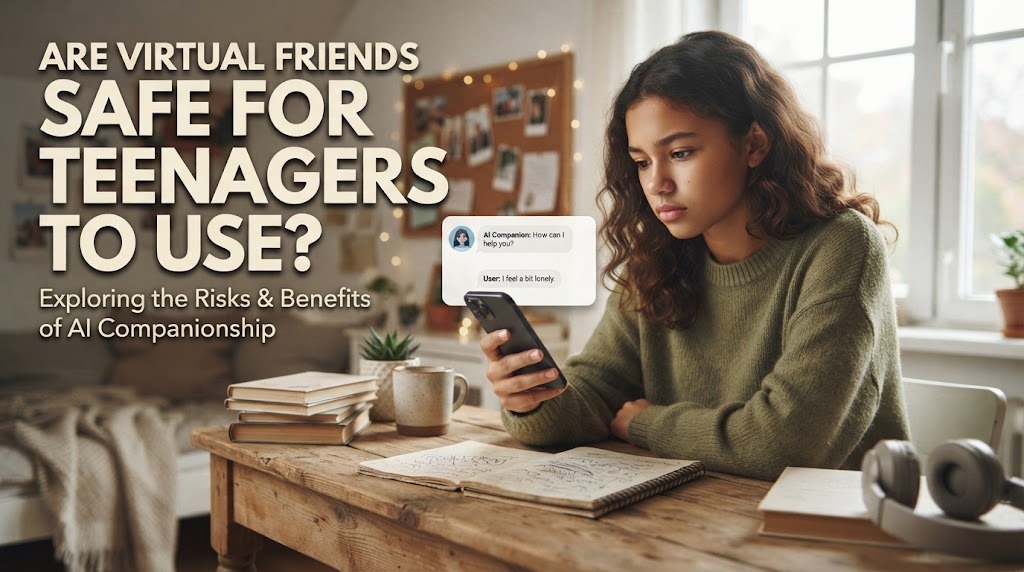
Virtual friends are becoming increasingly popular among people who use technology for communication and entertainment. Teenagers may interact with virtual friends through AI applications, online communities, games, and social platforms. These digital companions can provide conversation, information, and entertainment, but they also come with potential risks. The safety of virtual friends depends on how they are designed, how they are used, and how well teenagers understand online privacy and boundaries. Responsible use and appropriate guidance can help teenagers gain useful experiences while reducing possible problems.
WHAT ARE VIRTUAL FRIENDS?
Virtual friends are digital companions that communicate with users through technology. They may use artificial intelligence to respond to questions, continue conversations, or provide companionship. Other virtual friendships can involve real people who meet through online communities and digital platforms. These relationships can feel meaningful, even though the interaction happens mainly through a screen.
For teenagers, virtual friends may be attractive because they are easy to access and can provide quick conversations. They can also help teenagers explore interests or communicate with people who share similar hobbies. However, not every online interaction is automatically safe or trustworthy. Teenagers need to understand the difference between digital companionship and real-life relationships.
WHAT BENEFITS CAN VIRTUAL FRIENDS PROVIDE?
Virtual friends can provide a convenient way for teenagers to communicate and explore new topics. They may help users practice expressing their thoughts or ask questions without feeling embarrassed. Online communities can also introduce teenagers to people with similar interests, hobbies, or goals. These experiences may encourage curiosity and communication.
Some teenagers may also use virtual friends when they want casual conversation or entertainment. However, virtual friends should not become the only source of social interaction. Teenagers still need opportunities to communicate with family, classmates, teachers, and trusted friends. Maintaining different types of relationships can support a healthier social life.
WHAT PRIVACY RISKS SHOULD TEENAGERS KNOW?
Privacy is an important concern when teenagers interact with virtual friends. Conversations may include personal information such as names, locations, school details, photographs, or daily routines. Depending on the service, some information may be collected or stored by the platform. Teenagers may not always understand how their data is handled, which makes privacy awareness especially important.
Teenagers should avoid sharing passwords, financial information, identification numbers, or precise addresses. They should also think carefully before sending private photographs or personal documents. Parents or guardians can help teenagers understand privacy settings and safer sharing habits. Personal information should be protected even when an online interaction feels friendly.
CAN VIRTUAL FRIENDS EXPOSE TEENAGERS TO STRANGERS?
Online platforms can connect teenagers with people they do not know in real life. While some online connections can be positive, strangers may not always be who they claim to be. Someone could use a false identity or attempt to gain a teenager's trust for harmful purposes. Teenagers should be cautious when communicating with unfamiliar people online.
Teenagers should not agree to meet an online contact alone or share detailed information about where they live or spend time. If someone makes uncomfortable requests, asks for secret conversations, or pressures them to send private content, they should stop the interaction and tell a trusted adult. Blocking and reporting features can also be useful when available. Trust should develop slowly, especially with people met online.
CAN VIRTUAL FRIENDS AFFECT EMOTIONAL WELL BEING?
Virtual friends can sometimes provide companionship and make teenagers feel heard. However, depending too heavily on a digital companion for emotional support can create problems. A teenager may begin avoiding real-life relationships or feel uncomfortable when they cannot access the virtual friend. Healthy emotional support should come from more than one source.
Teenagers should have opportunities to talk with trusted people in their everyday lives. Family members, friends, teachers, counselors, or other trusted adults can provide human understanding and practical support. Virtual interaction can be one part of a teenager's social experience, but it should not replace important human relationships. Balance is important for emotional and social development.
CAN VIRTUAL FRIENDS PROVIDE INCORRECT INFORMATION?
AI-based virtual friends can sometimes produce information that is inaccurate, incomplete, or misleading. A response may sound confident even when it contains an error. This is especially important when teenagers ask about health, schoolwork, safety, relationships, or other serious subjects. Information from a virtual friend should not automatically be treated as a reliable fact.
Teenagers should check important information with trustworthy sources or ask a knowledgeable adult. Teachers, parents, guardians, and qualified professionals can provide guidance when a topic requires expert knowledge. Learning to question and verify information is also an important digital skill. Teenagers should treat AI responses as information to evaluate rather than unquestionable truth.
CAN EXCESSIVE USE BECOME A PROBLEM?
Virtual friends can become unhealthy when they take too much time away from daily responsibilities. Excessive use may interfere with sleep, studying, exercise, hobbies, family time, and real-life friendships. Teenagers may also spend less time participating in activities outside the digital environment. These changes can affect their daily routines and social development.
Setting reasonable boundaries can help prevent excessive use. Teenagers can create periods without screens, especially during study time, meals, and before sleeping. Parents or guardians can also encourage a balanced routine that includes physical activities and face-to-face interaction. Technology should fit into a healthy lifestyle rather than control it.
HOW CAN TEENAGERS USE VIRTUAL FRIENDS SAFELY?
Safe use begins with protecting personal information and understanding online boundaries. Teenagers should use strong passwords, privacy settings, and additional account security whenever available. They should also be careful with unfamiliar links, downloads, and requests for private information. If an interaction feels threatening, uncomfortable, or suspicious, they should stop and seek help from a trusted adult.
Teenagers should also choose age-appropriate platforms and understand the rules of the services they use. Parents or guardians can discuss online safety without making teenagers feel judged or afraid to ask questions. Open communication can make it easier for teenagers to report uncomfortable experiences. Guidance and honest conversations can strengthen online safety.
WHAT ROLE SHOULD PARENTS AND GUARDIANS PLAY?
Parents and guardians can help teenagers understand both the benefits and risks of virtual friends. Instead of only focusing on restrictions, they can discuss privacy, respectful communication, online strangers, misinformation, and healthy screen habits. This approach can help teenagers learn how to make safer decisions independently. The level of guidance can also change as teenagers become more capable of managing digital activities.
Parents and guardians should encourage teenagers to speak up when something online makes them uncomfortable. They can help review privacy settings and discuss what types of information should remain private. It is also useful to create a home environment where teenagers feel safe asking questions about online experiences. Supportive guidance can help teenagers develop stronger digital safety skills.
ARE VIRTUAL FRIENDS COMPLETELY SAFE FOR TEENAGERS?
No digital service can be considered completely risk-free. Virtual friends can provide useful communication and entertainment, but potential concerns include privacy problems, inappropriate interactions, misinformation, emotional dependence, and excessive use. The level of risk can differ depending on the platform, features, age of the user, and way the service is used. This means safety requires awareness rather than simply trusting a platform.
Teenagers can reduce many risks by using virtual friends responsibly and maintaining real-world relationships. They should protect their personal information, verify important information, and ask trusted adults for help when necessary. With appropriate boundaries, virtual interaction can be part of a balanced digital life. Safe use depends on informed choices, healthy limits, and reliable support.
CONCLUSION
Virtual friends can be useful for teenagers, but they also involve risks that should be taken seriously. Privacy, online strangers, misinformation, emotional dependence, and excessive screen use are some of the main concerns. Teenagers can reduce these risks by protecting personal information, setting healthy boundaries, checking important information, and communicating with trusted adults. Virtual friends should complement real-life relationships rather than replace them. With responsible use and appropriate guidance, teenagers can explore digital friendships while protecting their safety and well-being.
Tentang Penulis
Gusti Ayu Tita P
Penulis — Universitas STEKOM
Penulis aktif yang berfokus pada isu-isu akademik, teknologi pendidikan, dan pengembangan sumber daya manusia di lingkungan kampus.