
Becoming a Professional Person
Gusti Ayu Tita P
30 September 2026
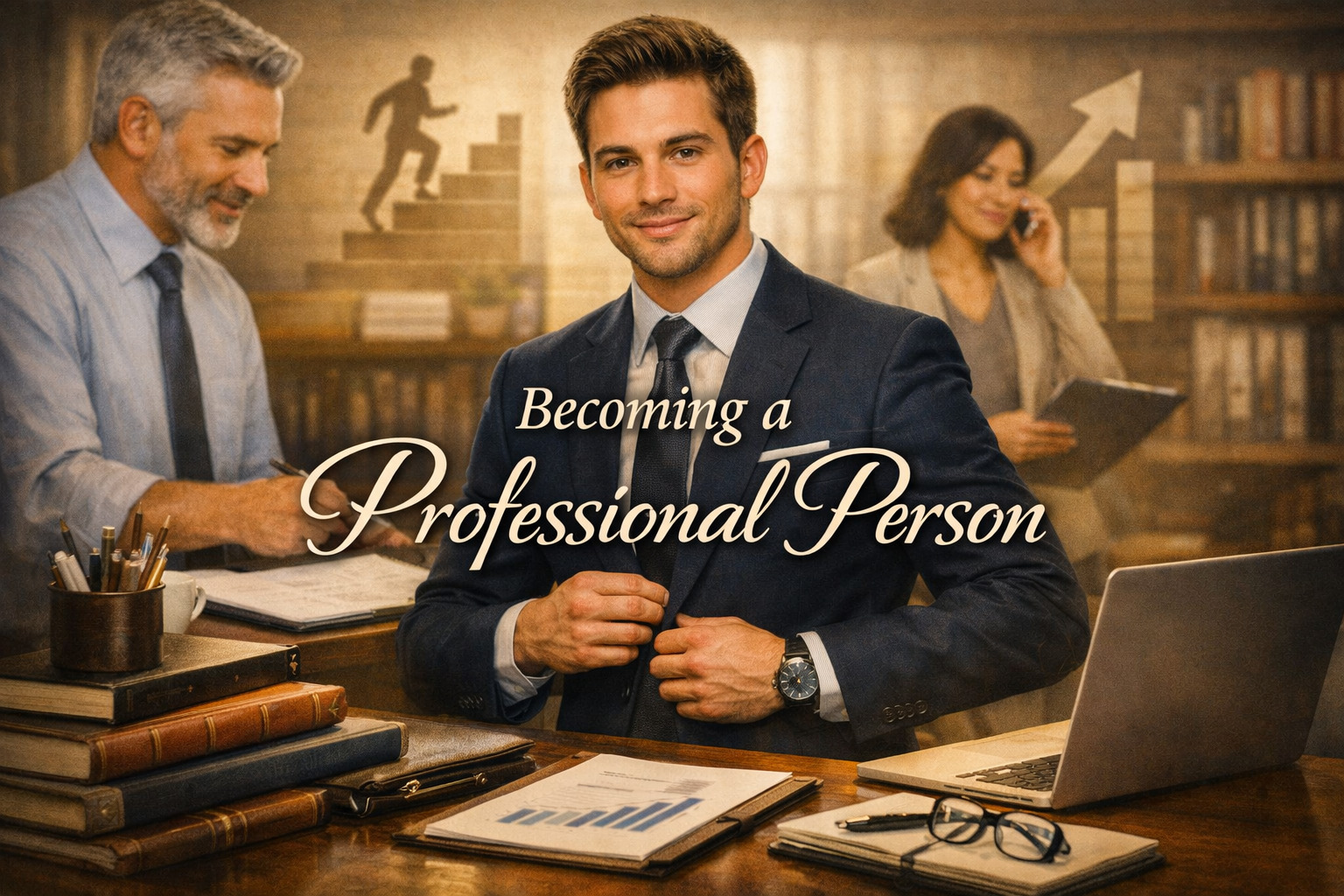
In today's competitive world, becoming a professional person is an important goal for anyone who wants to achieve success in their career and personal life. A professional person is not only someone with excellent technical skills but also someone who demonstrates responsibility, integrity, and respect in every situation. Professionalism helps individuals build trust, maintain positive relationships, and create opportunities for long-term growth.
Developing professionalism is a continuous process that requires commitment and self-improvement. Whether you are a student, employee, entrepreneur, or leader, understanding the qualities of a professional person can help you stand out and achieve your goals more effectively.
UNDERSTANDING PROFESSIONALISM
Professionalism refers to the attitudes, behaviors, and standards that reflect competence and responsibility in a particular field. It is not limited to wearing formal clothing or having a prestigious job. Instead, professionalism is shown through consistent actions, ethical behavior, and a commitment to excellence.
A professional person values punctuality, honesty, and accountability. They take ownership of their responsibilities and strive to deliver high-quality results. By maintaining a professional attitude, individuals can gain respect from colleagues, clients, and employers while building a strong reputation over time.
ESSENTIAL QUALITIES OF A PROFESSIONAL PERSON
One of the most important qualities of a professional person is integrity. Integrity means being honest, ethical, and trustworthy in all situations. People who demonstrate integrity are more likely to earn the confidence and respect of others.
Another key quality is effective communication. Professional individuals know how to express their ideas clearly, listen actively, and communicate respectfully. They also possess problem-solving skills, adaptability, and a willingness to learn. These qualities help them navigate challenges and remain productive in changing environments.
THE IMPORTANCE OF CONTINUOUS LEARNING
In a rapidly changing world, continuous learning is essential for professional growth. New technologies, industry trends, and workplace practices constantly emerge, making it important to stay updated. Professionals who invest in learning remain competitive and relevant in their fields.
Learning can take many forms, including training programs, workshops, certifications, and self-study. By expanding their knowledge and skills, individuals increase their confidence and ability to contribute effectively. Career Development becomes much easier when learning is treated as a lifelong habit.
BUILDING A STRONG PROFESSIONAL REPUTATION
A strong professional reputation is built through consistent actions and reliable performance. People are more likely to trust individuals who keep their promises, meet deadlines, and demonstrate competence in their work. Reputation is one of the most valuable assets a professional can have.
Networking also plays a significant role in reputation building. Establishing positive relationships with colleagues, mentors, and industry professionals can open doors to new opportunities. Through Professional Growth and meaningful connections, individuals can expand their influence and career prospects.
HOW TO MAINTAIN PROFESSIONAL BEHAVIOR
Maintaining professional behavior requires self-discipline and awareness. Professionals manage their time effectively, respect workplace rules, and treat others with courtesy. They remain calm under pressure and handle conflicts in a constructive manner.
Additionally, professionals are committed to personal improvement. They seek feedback, learn from mistakes, and continuously work on enhancing their abilities. This dedication to improvement helps them achieve Workplace Success and maintain long-term credibility.
CONCLUSION
Becoming a professional person is a journey that involves developing skills, maintaining ethical standards, and committing to continuous improvement. Professionalism goes beyond job titles and qualifications; it is reflected in daily actions, attitudes, and interactions with others.
By focusing on Leadership Skills, Career Development, Professional Growth, Workplace Success, and Personal Branding, individuals can strengthen their professional identity and achieve lasting success. The effort invested in becoming a professional person will not only benefit a career but also contribute to personal growth and meaningful relationships.
Tentang Penulis
Gusti Ayu Tita P
Penulis — Universitas STEKOM
Penulis aktif yang berfokus pada isu-isu akademik, teknologi pendidikan, dan pengembangan sumber daya manusia di lingkungan kampus.



