Building Mental Strength To Face Change
Gusti Ayu Tita P
23 September 2026
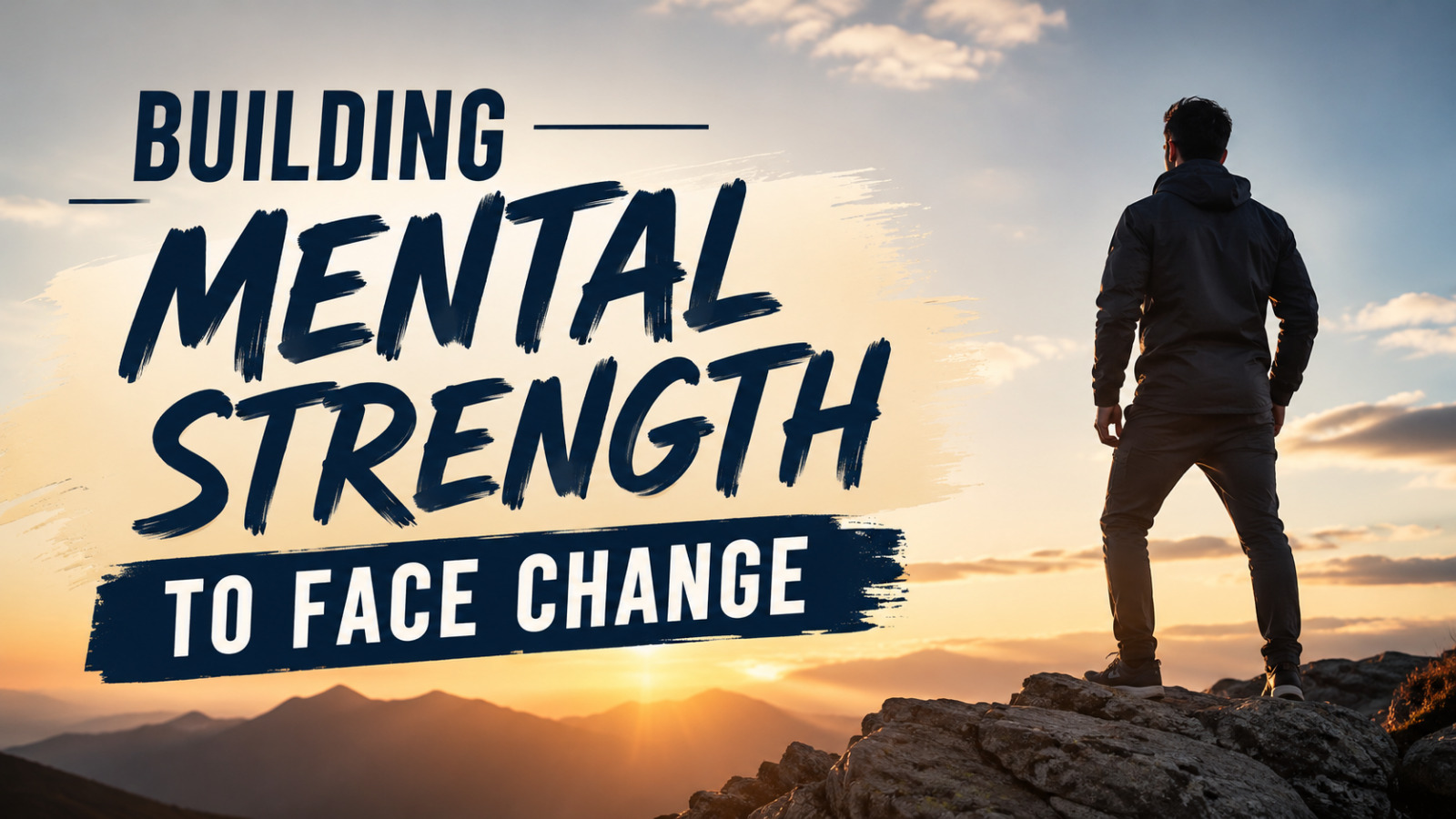
Change is a natural part of life. People experience changes in their careers, education, relationships, technology, and daily routines. While change can bring new opportunities, it can also create uncertainty and stress. Building mental strength helps individuals adapt to new situations, stay focused on their goals, and maintain emotional balance during challenging times. Developing a strong mindset is essential for personal growth and long-term success.
UNDERSTANDING THE IMPORTANCE OF MENTAL STRENGTH
Mental strength is the ability to remain positive, resilient, and focused when facing difficulties or unexpected situations. People with strong mental resilience are better equipped to handle setbacks and recover from challenges. They view obstacles as opportunities to learn rather than reasons to give up.
In today's rapidly changing world, developing emotional resilience is more important than ever. Economic shifts, technological advancements, and personal life transitions require individuals to adapt continuously. Building mental strength allows people to navigate these changes with confidence and determination.
DEVELOPING A POSITIVE MINDSET
A positive mindset plays a crucial role in adapting to change. Instead of focusing on what may go wrong, mentally strong individuals concentrate on potential opportunities and solutions. They understand that challenges are temporary and can lead to valuable experiences.
Practicing gratitude and self-awareness can help strengthen positive thinking. By recognizing personal achievements and learning from mistakes, individuals can build confidence and maintain motivation during periods of change. Positive thinking supports better decision-making and reduces unnecessary stress.
BUILDING EMOTIONAL RESILIENCE
Emotional resilience enables people to recover from setbacks and remain productive under pressure. One effective way to build resilience is by accepting that change is unavoidable. Resistance often increases stress, while acceptance encourages adaptation and growth.
Another important strategy is maintaining healthy habits such as regular exercise, sufficient sleep, and balanced nutrition. Physical well-being significantly influences mental health. When the body is healthy, individuals are better prepared to manage emotional challenges and adapt to new circumstances.
STRENGTHENING ADAPTABILITY SKILLS
Adaptability is the ability to adjust effectively to changing conditions. People who develop strong adaptability skills are more likely to succeed in dynamic environments. They remain open to learning new ideas, acquiring new skills, and exploring different perspectives.
Continuous learning is a valuable way to improve adaptability. Reading books, attending training programs, and seeking feedback from others help individuals stay prepared for future changes. Adaptability skills support both personal and professional development.
MANAGING STRESS DURING TRANSITION
Periods of change can create significant stress if not managed properly. Effective stress management involves recognizing emotional triggers and responding calmly to difficult situations. Deep breathing, meditation, and time management techniques can help reduce anxiety and improve focus.
Building a support network is equally important. Friends, family members, mentors, and colleagues can provide encouragement and practical advice during uncertain times. Strong social connections contribute to better mental health and greater emotional stability.
SETTING REALISTIC GOALS AND STAYING FOCUSED
When facing change, setting realistic goals helps maintain direction and motivation. Large transitions often feel overwhelming, but breaking goals into smaller steps makes them more manageable. Achieving small milestones builds confidence and reinforces positive momentum.
Consistency is also essential. Mentally strong individuals focus on progress rather than perfection. They understand that setbacks are part of the learning process and continue moving forward despite temporary difficulties. This approach promotes sustainable growth and long-term success.
CONCLUSION
Building mental strength to face change is an essential skill in today's evolving world. By developing a positive mindset, enhancing emotional resilience, improving adaptability skills, managing stress effectively, and setting realistic goals, individuals can navigate change with greater confidence and stability. Mental strength does not eliminate challenges, but it provides the tools needed to overcome them and transform uncertainty into opportunities for growth.
Tentang Penulis
Gusti Ayu Tita P
Penulis — Universitas STEKOM
Penulis aktif yang berfokus pada isu-isu akademik, teknologi pendidikan, dan pengembangan sumber daya manusia di lingkungan kampus.