Can Changing Jobs Frequently Affect Future Career Growth?
Gusti Ayu Tita P
23 September 2026
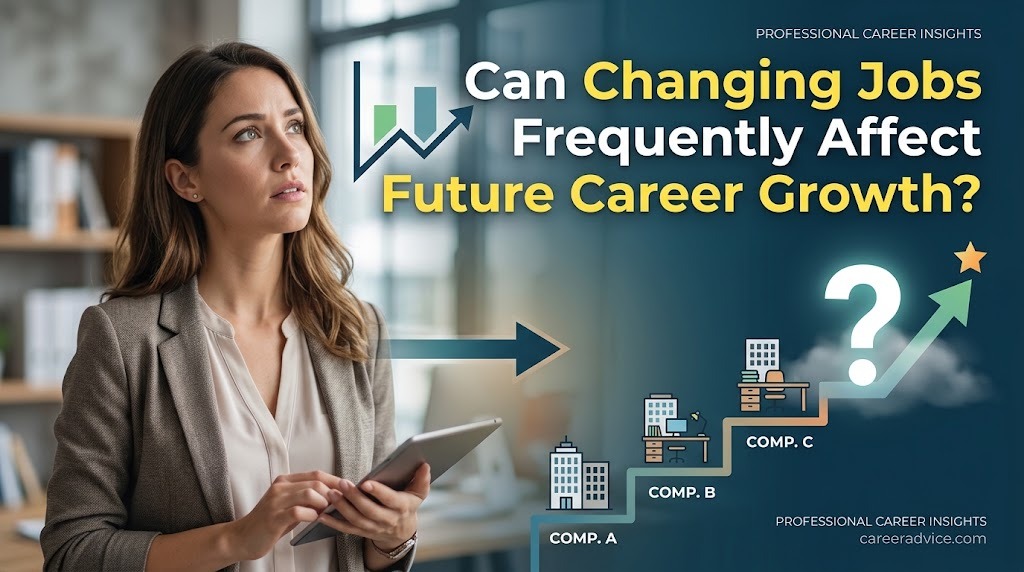
Changing jobs frequently can influence a person's career in different ways. Some workers change companies to gain new experience, higher responsibilities, better compensation, or opportunities that are not available in their current positions. Others may leave because of workplace problems or changes in personal circumstances. Because every career situation is different, the effect of frequent job changes depends on the reasons behind them and what workers achieve in each position.
Job changes can sometimes help workers develop a wider range of skills and professional connections. However, frequent moves without a clear direction may create questions about a person's career plans. Understanding these possible effects can help workers make more thoughtful decisions about their future.
HOW FREQUENT JOB CHANGES CAN AFFECT CAREER GROWTH
Frequent job changes can influence career growth because employers often look at a candidate's employment history when considering an application. A resume with many short-term positions may lead recruiters to ask why the candidate left each company. This does not automatically mean the candidate will be rejected, but the worker may need to provide clear explanations. The context of every job transition can be important when employers evaluate professional experience.
The effect can also depend on the industry and position. Some industries involve short-term contracts, project-based work, or rapidly changing skills, making frequent transitions more common. In other fields, employers may place greater value on long-term experience with one organization. Therefore, workers should consider the expectations of their industry when planning future career moves.
OPPORTUNITIES TO DEVELOP MORE SKILLS
One potential benefit of changing jobs is gaining diverse work experience. Different companies may use different technologies, systems, processes, and management approaches. By working in several environments, employees can learn how different organizations operate. This experience can help workers develop a broader professional skill set.
However, workers need to actively use these opportunities for development. Simply moving from one company to another does not guarantee professional improvement. Employees should look for positions that allow them to learn new abilities, handle greater responsibilities, and contribute to meaningful projects. When each job adds valuable experience, frequent changes can create a more developed professional profile.
EFFECT ON PROFESSIONAL RELATIONSHIPS
Frequent job changes can also influence a worker's professional network. Building strong relationships with colleagues, managers, clients, and business partners usually requires time and consistent interaction. Employees who leave organizations quickly may have fewer opportunities to develop long-term professional connections. This can be important because professional relationships may support future collaborations, references, or career opportunities.
Job hoppers can reduce this challenge by maintaining positive relationships after leaving a company. Staying connected with former colleagues through professional networks can help preserve valuable contacts. Workers should also leave their positions respectfully and complete their responsibilities whenever possible. A professional attitude can help maintain a positive reputation even after changing workplaces.
EMPLOYERS MAY QUESTION LONG TERM COMMITMENT
Another possible effect is that employers may question a candidate's long-term commitment. If someone has repeatedly stayed at companies for only short periods, recruiters may wonder whether the person will remain long enough to contribute to important projects. This concern can be stronger for positions that require extensive training or significant investment from the employer.
Job hoppers can address these concerns by explaining the purpose of their previous career moves. They can describe what they learned, what responsibilities they gained, and why the next position was a logical step. Showing measurable achievements can also help demonstrate that each employment period had value. A clear career story can make frequent transitions easier for employers to understand.
THE IMPORTANCE OF PURPOSEFUL CAREER MOVES
The quality of a career move can be more important than the number of times someone changes jobs. Workers should consider whether a new position supports their career goals before accepting an offer. Factors such as skill development, responsibilities, workplace culture, compensation, and advancement opportunities can all be considered. Making decisions based on long-term goals can reduce unnecessary job changes.
Workers should also avoid leaving a position immediately because of temporary frustration. Some workplace problems can be resolved through communication, training, or changes in responsibilities. If a new job does not provide meaningful improvement, another move may create additional uncertainty. Careful evaluation can help employees make career decisions that support sustainable professional development.
HOW TO PROTECT FUTURE CAREER GROWTH
Workers who change jobs frequently can protect their future career growth by keeping records of their achievements and skills. Important projects, measurable results, certifications, and new responsibilities can demonstrate professional development. These records can be useful when updating a resume or preparing for an interview. They also help workers understand how each job has contributed to their overall career.
It is also important to maintain a clear professional direction. Workers can regularly review whether their current experience is moving them closer to their desired career goals. If several job changes provide similar responsibilities without meaningful development, it may be useful to reconsider future choices. A planned approach can help turn different employment experiences into a connected career path.
CONCLUSION
Changing jobs frequently can affect future career growth, but the impact depends on the reasons for each transition and the experience gained along the way. Frequent moves may provide opportunities to develop new skills, explore different workplaces, and build diverse experience. At the same time, repeated short-term employment can lead employers to question long-term commitment or career direction.
Job hoppers can reduce potential challenges by making purposeful career decisions, maintaining professional relationships, documenting achievements, and choosing positions that support their long-term goals. Rather than focusing only on the number of jobs, workers should focus on the skills, experience, and achievements they gain throughout their career. A clear and consistent career story can help make different work experiences more meaningful.
Tentang Penulis
Gusti Ayu Tita P
Penulis — Universitas STEKOM
Penulis aktif yang berfokus pada isu-isu akademik, teknologi pendidikan, dan pengembangan sumber daya manusia di lingkungan kampus.