Challenges of Organizing Elections in the Digital Era
Gusti Ayu Tita P
10 Oktober 2026
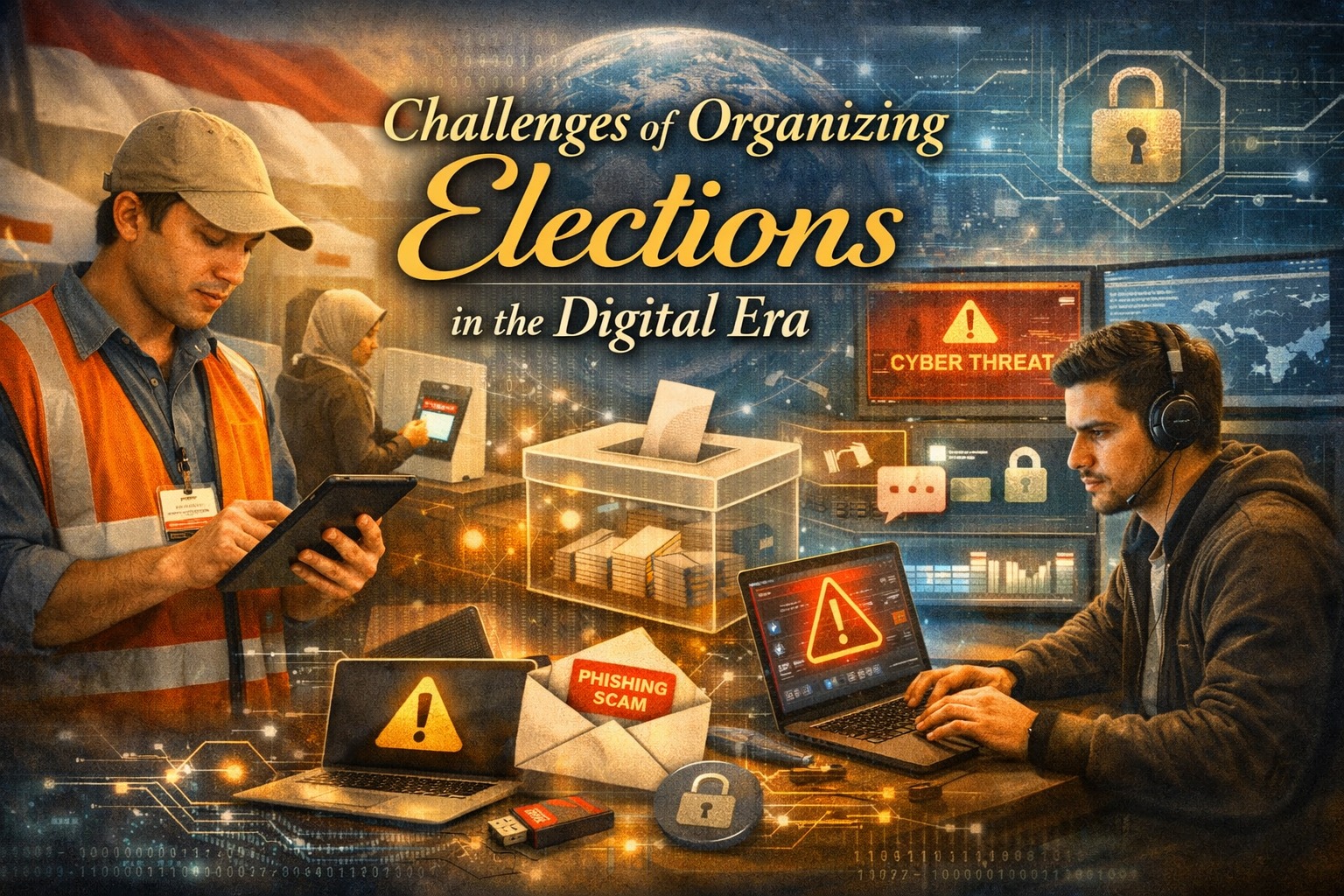
Elections have evolved significantly with the rapid growth of digital technology. Online communication, electronic information systems, and social media have made election management more efficient while improving public access to election-related information. However, these technological advancements also introduce new challenges that can affect the transparency, fairness, and credibility of the electoral process. Issues such as misinformation, cybersecurity threats, and digital inequality require careful attention from governments, election authorities, and citizens alike. Understanding these challenges is essential for protecting democracy and ensuring that elections remain free, fair, and trustworthy.
THE GROWING ROLE OF DIGITAL TECHNOLOGY IN ELECTIONS
Digital technology has transformed the way election information is shared with the public. Election authorities can quickly announce schedules, voter registration details, polling locations, and official results through websites and social media platforms. This improves communication and helps citizens stay informed throughout the electoral process. Technology also allows candidates to engage with voters more efficiently through online campaigns. As a result, elections have become more accessible and interactive.
Despite these advantages, greater reliance on digital platforms also creates new responsibilities. Election organizers must ensure that online systems operate securely and accurately. Digital services should remain accessible to all eligible voters regardless of their location or technical skills. Reliable technology is therefore essential for maintaining public trust in elections.
THE THREAT OF MISINFORMATION AND DISINFORMATION
One of the most serious challenges in the digital era is the rapid spread of misinformation and disinformation. False or misleading content can influence public opinion, create confusion, and reduce confidence in the electoral process. Social media allows inaccurate information to spread within minutes, making it difficult to control once it becomes widely shared. Voters who rely on unverified information may make decisions based on incorrect facts. This threatens the fairness of democratic elections.
To address this issue, citizens should verify political information using official election sources and trusted news organizations. Media literacy programs can also help people recognize misleading content before sharing it. Responsible online behavior plays a crucial role in protecting election integrity. Educated voters are less likely to become victims of digital manipulation.
CYBERSECURITY RISKS IN MODERN ELECTIONS
As election systems become more digital, cybersecurity has become a top priority. Election databases, voter registration systems, and official websites may become targets for cyberattacks if proper security measures are not implemented. Unauthorized access or system disruptions could affect public confidence even if election results remain accurate. Protecting digital infrastructure is therefore essential for maintaining electoral credibility. Strong cybersecurity reduces the risk of technical failures and malicious interference.
Election authorities should continuously update security systems, monitor network activity, and conduct regular security assessments. Staff training is equally important because human error can create vulnerabilities. Cooperation with cybersecurity experts strengthens the protection of sensitive election data. Secure digital systems help preserve trust in democratic institutions.
DIGITAL DIVIDE AND EQUAL ACCESS
Although digital technology offers many benefits, not every citizen has equal access to the internet or digital devices. The digital divide may prevent some voters from receiving important election information or participating fully in digital election services. Rural communities, elderly citizens, and economically disadvantaged groups may experience greater difficulties. Equal access remains a key principle of democratic participation. No eligible voter should be excluded because of technological limitations.
Governments and election authorities should provide both digital and traditional communication methods. Printed materials, community outreach, and public information campaigns remain valuable alongside online platforms. Expanding digital infrastructure also helps reduce inequalities over time. Inclusive election services ensure broader public participation.
MAINTAINING TRANSPARENCY AND PUBLIC TRUST
Public trust is one of the most valuable assets in any democratic election. Election organizers must demonstrate transparency throughout every stage of the electoral process, from voter registration to the announcement of final results. Open communication helps reduce uncertainty and strengthens confidence in official procedures. Independent observers and public monitoring further increase accountability. Transparency encourages acceptance of election outcomes.
Clear communication is especially important when digital technologies are involved. Citizens should understand how election systems operate and how their personal information is protected. Providing accurate and timely updates helps prevent unnecessary speculation. Trust grows when election authorities consistently communicate with honesty and professionalism.
SOLUTIONS FOR STRONGER DIGITAL ELECTIONS
Overcoming digital election challenges requires cooperation among governments, election authorities, technology experts, media organizations, educational institutions, and citizens. Investing in digital literacy enables voters to identify reliable information and avoid online manipulation. Continuous improvements in cybersecurity strengthen election infrastructure against emerging threats. These efforts help preserve democratic integrity.
Regular public education campaigns also encourage responsible online behavior and informed political participation. Strong legal frameworks should address cybercrime, misinformation, and illegal digital campaign practices while respecting freedom of expression. Combining technological innovation with public education creates more secure and inclusive elections. Together, these strategies support democracy in the digital age.
CONCLUSION
The challenges of organizing elections in the digital era require balanced solutions that combine technology, transparency, education, and strong security measures. While digital innovation improves communication and election management, it also introduces risks such as misinformation, cybersecurity threats, and unequal digital access. Addressing these challenges demands cooperation from governments, election authorities, media organizations, and citizens. By strengthening digital literacy, improving cybersecurity, and ensuring transparent election processes, societies can protect democratic values and build greater public trust. Well-managed digital elections are essential for creating a stronger and more resilient democracy.
Tentang Penulis
Gusti Ayu Tita P
Penulis — Universitas STEKOM
Penulis aktif yang berfokus pada isu-isu akademik, teknologi pendidikan, dan pengembangan sumber daya manusia di lingkungan kampus.