Differences Between Franchise and Independent Business Models
Gusti Ayu Tita P
10 September 2026
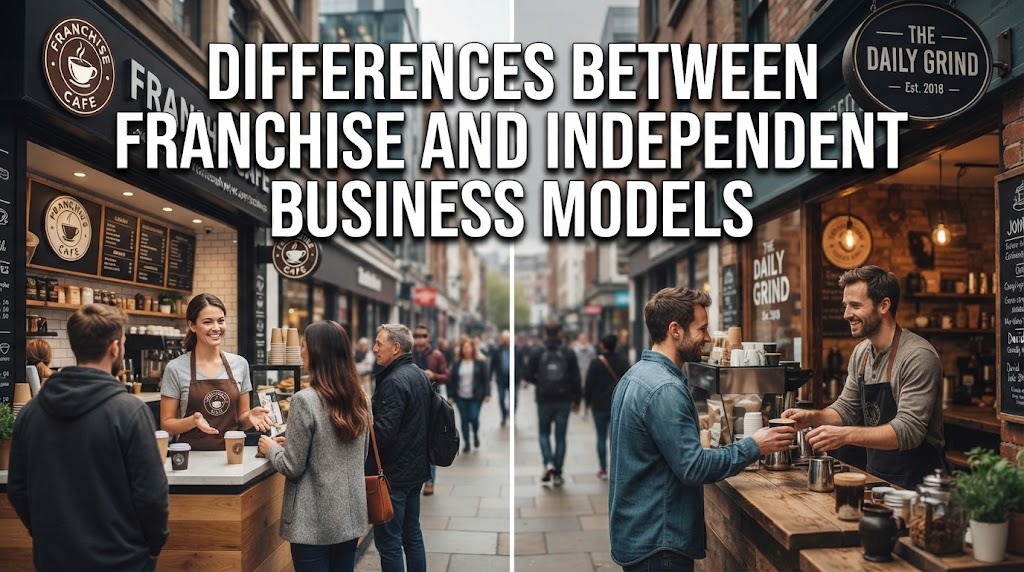
Choosing the right business model is an important step for entrepreneurs who want to start a business. Two common options are franchise and independent business models. A franchise allows entrepreneurs to operate using an established brand and business system, while an independent business is developed and managed by the owner. Understanding the differences can help entrepreneurs choose a model that matches their capital, skills, and business goals.
BUSINESS OWNERSHIP
In a franchise model, the entrepreneur operates a business using the rights granted by a franchisor. The franchisee can use the established brand, products, and operating system according to a franchise agreement. However, the franchisee does not have complete control over the brand itself. Business operations must generally follow the standards established by the franchisor.
In an independent business, the entrepreneur owns and controls the business concept and brand. The owner can decide how the business will operate and develop. There is no franchisor controlling the business strategy. This provides greater freedom but also gives the owner greater responsibility.
BRAND RECOGNITION
A franchise usually has an advantage because it uses an existing brand. Consumers may already recognize the brand and understand its products or services. This can make customer acquisition easier compared with launching a completely new brand. However, the reputation of the franchise is also influenced by how consistently each branch maintains its standards.
An independent business must build its brand from the beginning. The owner needs to introduce the business to potential customers and develop trust over time. This process can require significant marketing effort and patience. However, once the brand becomes strong, the owner has complete control over its identity and development.
STARTUP COSTS
Franchise businesses usually require an initial investment that may include franchise fees, equipment, rent, inventory, and other operating expenses. The franchise fee gives the entrepreneur access to the brand and business system. Additional costs can vary depending on the franchise and location. Therefore, entrepreneurs should calculate the total investment rather than focusing only on the franchise fee.
Independent businesses have more flexible startup costs. Owners can choose how much to invest and may start on a small scale. For example, a business can begin from home or through an online platform before expanding. However, owners may need to spend more time and money developing products, branding, and marketing strategies.
BUSINESS OPERATING SYSTEM
A franchise generally provides an established operating system. This can include procedures for production, customer service, inventory management, employee training, and marketing. The system can help beginners understand how to run the business. Franchisees are usually expected to follow these procedures to maintain consistency.
Independent businesses require owners to create their own operating systems. They must determine how products are produced, how employees work, and how customers are served. This can be challenging for inexperienced entrepreneurs. However, it also gives owners the freedom to change procedures whenever necessary.
MARKETING STRATEGY
Franchise businesses often benefit from centralized marketing campaigns created by the franchisor. Franchisees may receive promotional materials, brand guidelines, and marketing support. This can reduce the amount of work required to develop a marketing strategy. However, franchisees may have limited freedom to create promotions outside the established guidelines.
Independent businesses have complete control over their marketing strategies. Owners can experiment with social media, advertising, promotions, partnerships, and other methods. They can quickly adjust campaigns based on customer responses. However, all marketing activities must be planned and funded by the business owner.
BUSINESS FLEXIBILITY
One of the biggest advantages of an independent business is flexibility. Owners can change products, prices, branding, suppliers, and marketing strategies based on market conditions. They can also experiment with new ideas without asking a franchisor for approval. This flexibility can be valuable in rapidly changing markets.
Franchise businesses usually have less flexibility because they must follow the franchisor's standards. Changes to products, branding, or operating procedures may require approval. This can limit creativity but also provides consistency across franchise locations. Entrepreneurs should consider whether they prefer structured operations or greater independence.
BUSINESS RISKS
Franchises can reduce certain startup challenges because entrepreneurs receive an established business concept and support system. Training and brand recognition may help beginners avoid some common mistakes. Nevertheless, franchisees still face risks related to location, operating costs, customer demand, and management. A well-known brand does not guarantee profitability.
Independent businesses can involve greater uncertainty because the owner develops the business without an established franchise system. Building customer trust and finding the right business strategy may take time. However, owners can respond quickly when problems or market changes occur. Their ability to adapt can become an important competitive advantage.
WHICH MODEL IS RIGHT FOR YOU
A franchise may be suitable for entrepreneurs who prefer an established system, recognizable brand, and structured support. It can be especially useful for beginners who want guidance when entering the business world. However, they must be comfortable following franchise rules and paying the required costs. Careful evaluation of the franchise agreement is essential.
An independent business may be better for entrepreneurs who value freedom and have their own business ideas. It provides greater control over the brand, products, pricing, and business strategy. However, the owner must be prepared to handle product development, marketing, operations, and financial management independently. The best choice depends on individual resources, experience, and business objectives.
CONCLUSION
The main differences between franchise and independent business models involve ownership, brand recognition, startup costs, operating systems, marketing, flexibility, and risk. A franchise provides an established brand and structured business system, while an independent business offers greater freedom and control. Both models have advantages and challenges that should be considered carefully.
There is no single business model that is best for everyone. Entrepreneurs should compare their available capital, skills, experience, risk tolerance, and long-term goals before making a decision. Careful planning and market research can increase the opportunity to build a sustainable and profitable business.
Tentang Penulis
Gusti Ayu Tita P
Penulis — Universitas STEKOM
Penulis aktif yang berfokus pada isu-isu akademik, teknologi pendidikan, dan pengembangan sumber daya manusia di lingkungan kampus.