
Eco-Friendly Living For A Better Future
Gusti Ayu Tita P
23 September 2026
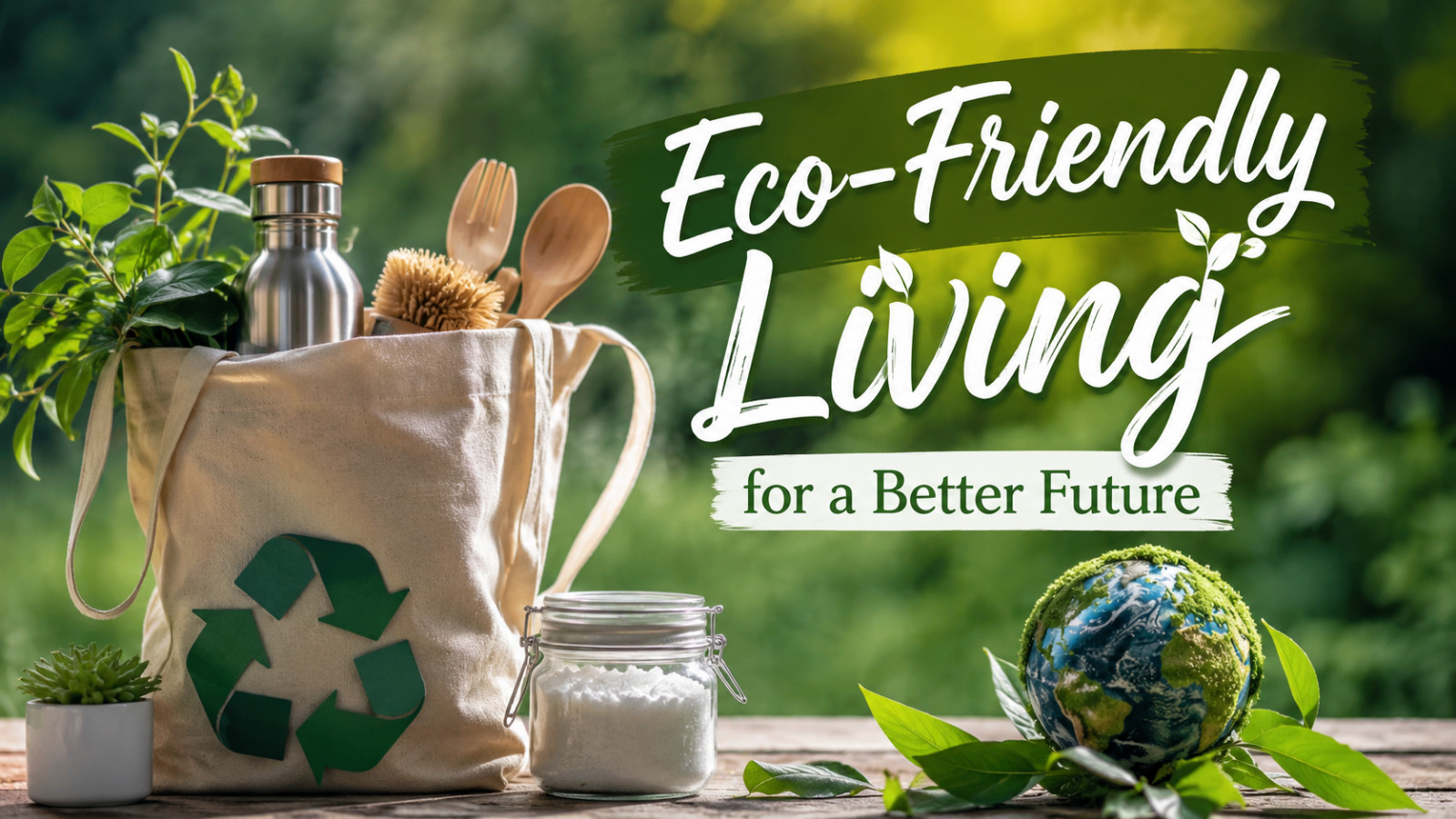
Eco-Friendly Living has become increasingly important as environmental challenges continue to affect communities around the world. The choices people make every day can influence the health of the planet and the quality of life for future generations. Adopting environmentally responsible habits does not require drastic changes, but rather consistent efforts in daily activities. Small actions such as reducing waste, conserving energy, and choosing sustainable products can create a meaningful impact. By embracing a greener lifestyle, individuals can contribute to a healthier and more sustainable future.
UNDERSTANDING ECO-FRIENDLY LIVING
Eco-Friendly Living refers to a lifestyle that minimizes harm to the environment through conscious decisions and responsible behavior. It focuses on reducing the consumption of natural resources while limiting pollution and waste generation. People who practice this lifestyle often prioritize sustainability in their daily routines.
This approach encourages individuals to think about the long-term effects of their actions. Whether it involves transportation, shopping habits, or household activities, every choice can influence environmental health. Developing environmental awareness is the first step toward creating positive change and supporting a Sustainable Future.
REDUCING WASTE IN DAILY LIFE
One of the most effective ways to support Environmental Protection is through Waste Reduction. Many households generate unnecessary waste from single-use plastics, disposable products, and excessive packaging. By choosing reusable alternatives, individuals can significantly decrease the amount of waste sent to landfills.
Simple actions such as carrying reusable bags, using refillable water bottles, and recycling properly can make a substantial difference. Composting organic waste is another useful practice that reduces landfill accumulation while enriching soil quality. Consistent waste management habits help preserve natural resources and support a cleaner environment.
CONSERVING ENERGY FOR A GREENER WORLD
Energy Conservation plays a crucial role in reducing environmental impact. Excessive energy consumption contributes to greenhouse gas emissions and accelerates climate change. Using energy efficiently helps lower carbon footprints while reducing household expenses.
Individuals can conserve energy by turning off unused electronics, using LED lighting, and selecting energy-efficient appliances. Maximizing natural light and improving home insulation can also reduce energy demand. These practical steps contribute to both environmental sustainability and financial savings.
MAKING SUSTAINABLE CONSUMPTION CHOICES
Consumers have significant influence over environmental outcomes through their purchasing decisions. Supporting products made from sustainable materials encourages businesses to adopt environmentally responsible practices. Choosing durable and reusable items also reduces the need for frequent replacements.
Buying local products can help decrease transportation-related emissions while supporting local economies. Additionally, avoiding unnecessary purchases promotes a more mindful and responsible lifestyle. Sustainable consumption is a key component of Green Living and long-term environmental stewardship.
THE ROLE OF TRANSPORTATION IN SUSTAINABILITY
Transportation is a major source of carbon emissions worldwide. Choosing environmentally friendly transportation methods can greatly reduce environmental impact. Walking, cycling, and using public transportation are effective ways to lower emissions while promoting healthier lifestyles.
For longer distances, carpooling and fuel-efficient vehicles can help reduce fuel consumption. The growing availability of electric vehicles also offers more sustainable transportation options. Making smarter transportation choices supports a cleaner environment and contributes to a Sustainable Lifestyle.
ENCOURAGING ECO-FRIENDLY HABITS IN COMMUNITIES
Environmental responsibility becomes even more effective when communities work together. Schools, workplaces, and local organizations can promote sustainability through educational programs and environmental initiatives. Community participation helps spread awareness and encourages collective action.
Activities such as neighborhood cleanups, tree planting events, and recycling campaigns inspire people to adopt greener habits. When communities embrace Eco-Friendly Living, the positive impact extends beyond individual households. Collective efforts can create lasting environmental improvements and strengthen social responsibility.
CONCLUSION
Eco-Friendly Living is an essential step toward building a healthier and more sustainable world. Through Waste Reduction, Energy Conservation, responsible consumption, and environmentally friendly transportation choices, individuals can significantly reduce their environmental impact. Small but consistent actions contribute to long-term environmental benefits and support a Sustainable Future. By adopting a Green Living mindset and encouraging others to do the same, society can help protect natural resources for future generations. Every positive action today brings us closer to a cleaner, safer, and more sustainable tomorrow.
Tentang Penulis
Gusti Ayu Tita P
Penulis — Universitas STEKOM
Penulis aktif yang berfokus pada isu-isu akademik, teknologi pendidikan, dan pengembangan sumber daya manusia di lingkungan kampus.



