Effective Political Campaign Strategies to Win Public Support
Gusti Ayu Tita P
6 Oktober 2026
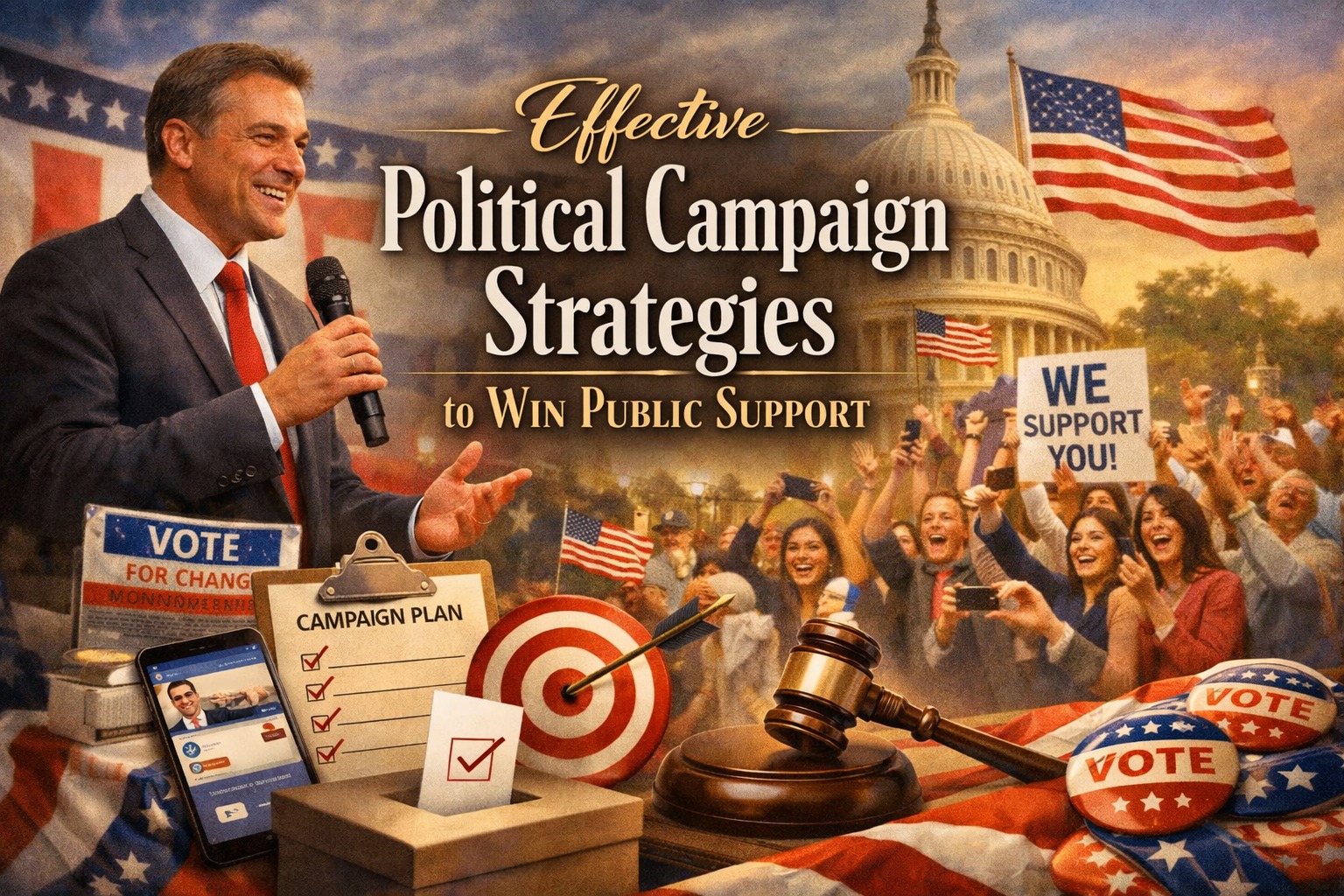
Winning public support is one of the most important goals of any political campaign. In today's digital era, successful campaigns require more than attractive slogans or large-scale events. Candidates and campaign teams must understand public concerns, communicate clearly, and build trust through consistent actions. By combining strategic planning, effective communication, and community engagement, political campaigns can create meaningful connections with voters. This article explores practical strategies that help political campaigns gain public confidence while promoting a fair and democratic election process.
UNDERSTAND THE NEEDS AND EXPECTATIONS OF VOTERS
Every successful political campaign strategy begins with understanding what voters truly need. Different communities have different priorities, such as education, healthcare, employment, infrastructure, or environmental protection. Conducting surveys, listening sessions, and community meetings helps candidates identify these concerns accurately. This information enables campaign teams to create policies that directly address public expectations.
When voters feel that a candidate genuinely understands their challenges, they are more likely to develop trust and support. Active listening is just as important as speaking during a campaign. Candidates should encourage open discussions and be willing to receive constructive criticism. By showing empathy and providing realistic solutions, they build stronger relationships with the public.
BUILD A STRONG AND TRUSTWORTHY CAMPAIGN MESSAGE
A clear and consistent campaign message helps voters remember what a candidate stands for. The message should communicate the candidate's vision, mission, and commitment to improving society. Avoid overly complicated language, and instead focus on simple statements that are easy for people to understand and share. Consistency across speeches, advertisements, and social media strengthens credibility.
Trust is built when words are supported by actions. Candidates should present evidence of previous achievements, community involvement, or professional experience whenever possible. Honesty, transparency, and integrity should remain central values throughout the campaign. These qualities help distinguish a candidate from competitors and inspire long-term public confidence.
USE DIGITAL MEDIA TO REACH A WIDER AUDIENCE
Digital platforms have become essential tools for modern political campaigns. Social media allows candidates to communicate directly with voters through videos, live broadcasts, and informative content. Regular updates keep supporters engaged while helping undecided voters learn more about campaign programs. High-quality digital content also encourages people to share campaign messages organically.
However, campaign teams must use digital media responsibly. Sharing accurate information and avoiding misinformation are critical for maintaining public trust. Interactive communication, such as responding to comments and answering public questions, creates stronger engagement. A professional and respectful online presence reflects positively on the candidate's leadership qualities.
ENGAGE WITH COMMUNITIES THROUGH DIRECT INTERACTION
While digital communication is valuable, face-to-face interaction remains highly effective. Visiting neighborhoods, attending local events, and participating in community activities demonstrate genuine commitment to serving the people. These opportunities allow candidates to understand local issues from firsthand experiences rather than relying solely on reports.
Direct engagement also creates emotional connections that online communication cannot fully replace. Voters often appreciate leaders who are approachable and willing to listen personally. Small community discussions, public forums, and volunteer activities help build mutual respect between candidates and citizens. Such interactions strengthen the credibility of the overall election campaign.
DEVELOP A PROFESSIONAL AND WELL-ORGANIZED CAMPAIGN TEAM
Behind every successful campaign is a dedicated and organized team. Each member should clearly understand their responsibilities, whether managing communications, organizing events, conducting research, or coordinating volunteers. Strong teamwork ensures that campaign activities run efficiently and consistently across different regions.
Training team members in communication, public relations, and crisis management can significantly improve campaign performance. Internal coordination reduces misunderstandings and helps maintain a unified message. A motivated team that shares the campaign's values contributes greatly to achieving campaign objectives. Effective leadership within the team also encourages innovation and continuous improvement.
MAINTAIN ETHICAL STANDARDS THROUGHOUT THE CAMPAIGN
Ethical behavior is a foundation of sustainable political success. Campaigns should respect election regulations, avoid spreading false information, and compete fairly with opponents. Demonstrating political integrity strengthens public confidence and protects the credibility of democratic institutions. Ethical campaigns encourage healthy political competition rather than conflict.
Candidates who consistently demonstrate respect, honesty, and accountability leave a positive impression on voters. Even after the election ends, maintaining these values contributes to long-term public trust. Ethical leadership also inspires future generations to participate responsibly in democratic processes. Ultimately, integrity is one of the strongest assets any political leader can possess.
CONCLUSION
An effective political campaign strategy requires careful planning, meaningful communication, ethical leadership, and genuine public engagement. Understanding voter needs, delivering consistent messages, utilizing digital platforms responsibly, interacting directly with communities, and maintaining strong campaign organization all contribute to winning public support. Most importantly, integrity, transparency, and trust should guide every campaign activity. By focusing on these principles, political leaders can build lasting relationships with citizens while strengthening democratic values.
Tentang Penulis
Gusti Ayu Tita P
Penulis — Universitas STEKOM
Penulis aktif yang berfokus pada isu-isu akademik, teknologi pendidikan, dan pengembangan sumber daya manusia di lingkungan kampus.