Effective Strategies For Tax Consultants To Provide Better Tax Solutions
Gusti Ayu Tita P
3 Agustus 2026
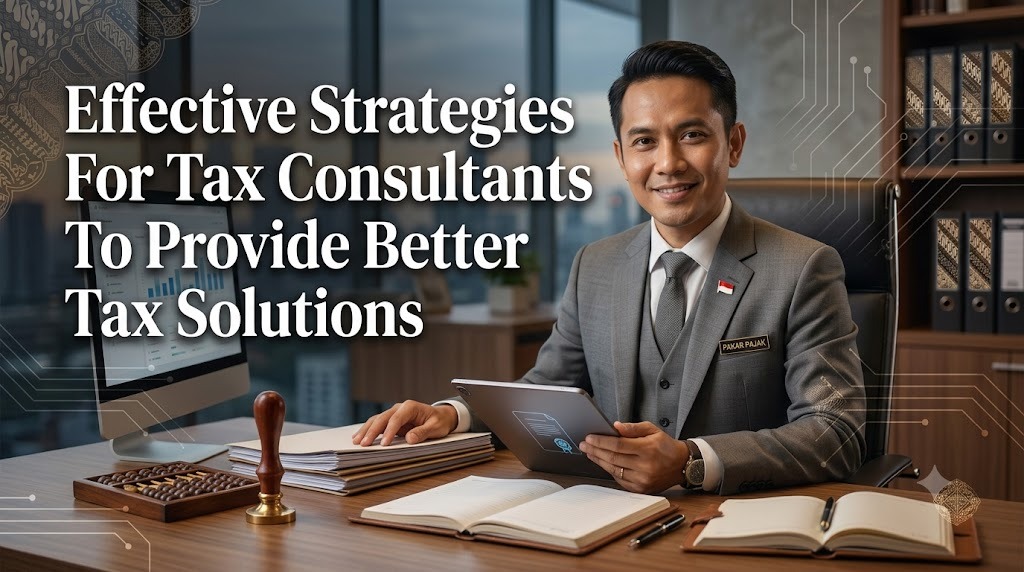
Tax consultants play an important role in helping individuals and businesses understand their tax responsibilities. Tax regulations can be complex, and mistakes in tax reporting may create financial or legal problems. Therefore, clients need consultants who can provide accurate, practical, and compliant tax solutions. A successful tax consultant must combine technical knowledge with strong communication, analytical skills, and an understanding of each client's situation.
Providing better tax solutions is not simply about finding ways to reduce tax payments. It also involves helping clients meet their tax obligations, manage risks, plan appropriately, and make informed financial decisions. By using systematic strategies and continuously updating their knowledge, tax consultants can deliver services that create long-term value for their clients.
UNDERSTAND EACH CLIENT'S TAX SITUATION
The first step toward providing effective tax solutions is understanding the client's specific circumstances. Every individual and business can have different sources of income, expenses, assets, transactions, and tax obligations. A tax consultant should collect relevant information before making recommendations. This approach helps ensure that the proposed solution matches the client's actual financial and tax situation.
Consultants should also ask clear questions about the client's business activities, financial goals, and future plans. Understanding these factors can help identify potential tax issues before they become serious problems. A personalized approach is generally more effective than applying the same strategy to every client.
KEEP UP WITH TAX REGULATIONS
Tax regulations can change because of new laws, government policies, economic conditions, and administrative requirements. Therefore, continuous tax knowledge is essential for every professional tax consultant. Consultants should regularly review official regulations, tax authority guidance, and relevant professional information. Staying updated allows them to provide advice based on current requirements.
Outdated information can lead to incorrect calculations or recommendations. For this reason, consultants should establish a habit of checking regulatory changes before handling important client matters. Strong knowledge of current regulations also improves the consultant's professional credibility and accuracy.
USE DATA FOR BETTER TAX ANALYSIS
Effective tax solutions should be supported by accurate financial information. Consultants need to analyze income, expenses, transactions, assets, and other relevant records to identify potential tax obligations and risks. Data analysis can help reveal patterns or inconsistencies that may not be immediately visible.
Technology can make this process more efficient. Spreadsheets, accounting software, tax applications, and data management systems can help consultants organize and review information. However, technology should support professional judgment rather than replace careful verification. Every important conclusion should be checked against reliable information and applicable tax rules.
DEVELOP LEGAL AND COMPLIANT TAX STRATEGIES
A good tax solution should always operate within the applicable tax laws and regulations. Tax consultants can help clients organize their financial activities efficiently, understand available deductions or incentives, and plan transactions appropriately. However, legitimate tax planning must be clearly distinguished from tax evasion or fraudulent reporting.
Consultants should explain the potential consequences of each strategy before clients make decisions. They should also maintain appropriate documentation to support tax positions when required. A compliance focused approach protects both the client and the consultant from unnecessary legal and financial risks.
COMMUNICATE TAX INFORMATION CLEARLY
Tax concepts can be difficult for clients who do not have an accounting or taxation background. Therefore, consultants should explain complex information using simple and understandable language. Instead of relying heavily on technical terminology, consultants can use practical examples to show how a tax rule may affect the client's situation.
Good communication also requires active listening. Consultants should understand the client's concerns before recommending a solution. Clear explanations about deadlines, obligations, risks, and available options can improve client confidence and decision making.
IDENTIFY TAX RISKS EARLY
Effective tax consulting should not only respond to existing problems. Consultants should also identify potential tax risks before they become significant. Regular reviews can help detect missing documents, incorrect classifications, reporting inconsistencies, or transactions that may require additional attention.
Risk assessment allows consultants and clients to prepare appropriate solutions in advance. Consultants can create checklists or review procedures to identify common risk areas. Early action can reduce the possibility of penalties, disputes, or unexpected tax liabilities.
PROVIDE PROACTIVE TAX PLANNING
A tax consultant should aim to be proactive rather than reactive. Instead of waiting until tax deadlines approach, consultants can help clients prepare throughout the year. Regular reviews of financial activities can reveal opportunities for legitimate tax planning and help clients prepare the necessary documentation.
Proactive planning can also support long-term financial decisions. Businesses may need to consider the tax consequences of investments, business expansion, organizational changes, or major transactions. By discussing these issues in advance, consultants can help clients make better-informed decisions while maintaining compliance.
PROTECT CLIENT DATA AND CONFIDENTIALITY
Tax consultants handle sensitive financial and personal information, making data confidentiality an essential part of professional service. Client records should be stored securely and accessed only by authorized individuals. Digital systems should also include appropriate security controls to reduce the risk of unauthorized access or data loss.
Consultants should educate their teams about secure document handling, passwords, suspicious emails, and other cybersecurity risks. Protecting information helps maintain client trust and supports professional responsibility. A technically strong tax solution is not sufficient if confidential client information is not properly protected.
BUILD LONG TERM CLIENT RELATIONSHIPS
Providing better tax solutions is easier when consultants develop a strong understanding of their clients over time. A long term client relationship allows consultants to understand changes in business activities, financial goals, and tax circumstances. This knowledge can lead to more relevant recommendations.
Trust is built through consistency, transparency, and professional service. Consultants should communicate important changes, explain potential risks, and avoid making unrealistic promises. When clients see that their consultant focuses on both compliance and practical solutions, they are more likely to maintain a lasting professional relationship.
CONTINUOUSLY IMPROVE PROFESSIONAL SKILLS
Tax consulting is a field that requires continuous professional development. Regulations, technology, business models, and client expectations continue to change. Consultants should therefore improve their knowledge through training, professional education, industry updates, and practical experience.
Soft skills are equally important. Communication, problem solving, organization, critical thinking, and time management can significantly improve service quality. By combining technical expertise and professional skills, tax consultants can provide more comprehensive solutions and remain competitive in the industry.
CONCLUSION
Effective tax consulting requires more than calculating taxes or preparing reports. Consultants need to understand each client's situation, stay updated with regulations, analyze reliable data, identify risks, communicate clearly, and develop legal and practical tax strategies. A proactive approach can help clients manage their obligations while making better financial decisions.
The best tax solutions are those that balance compliance, efficiency, risk management, and client needs. By continuously improving technical knowledge, digital skills, communication abilities, and professional ethics, tax consultants can provide greater value and build stronger long-term relationships with their clients.
Tentang Penulis
Gusti Ayu Tita P
Penulis — Universitas STEKOM
Penulis aktif yang berfokus pada isu-isu akademik, teknologi pendidikan, dan pengembangan sumber daya manusia di lingkungan kampus.