Effective Strategies to Succeed in a Comprehensive Examination
Gusti Ayu Tita P
14 Oktober 2026
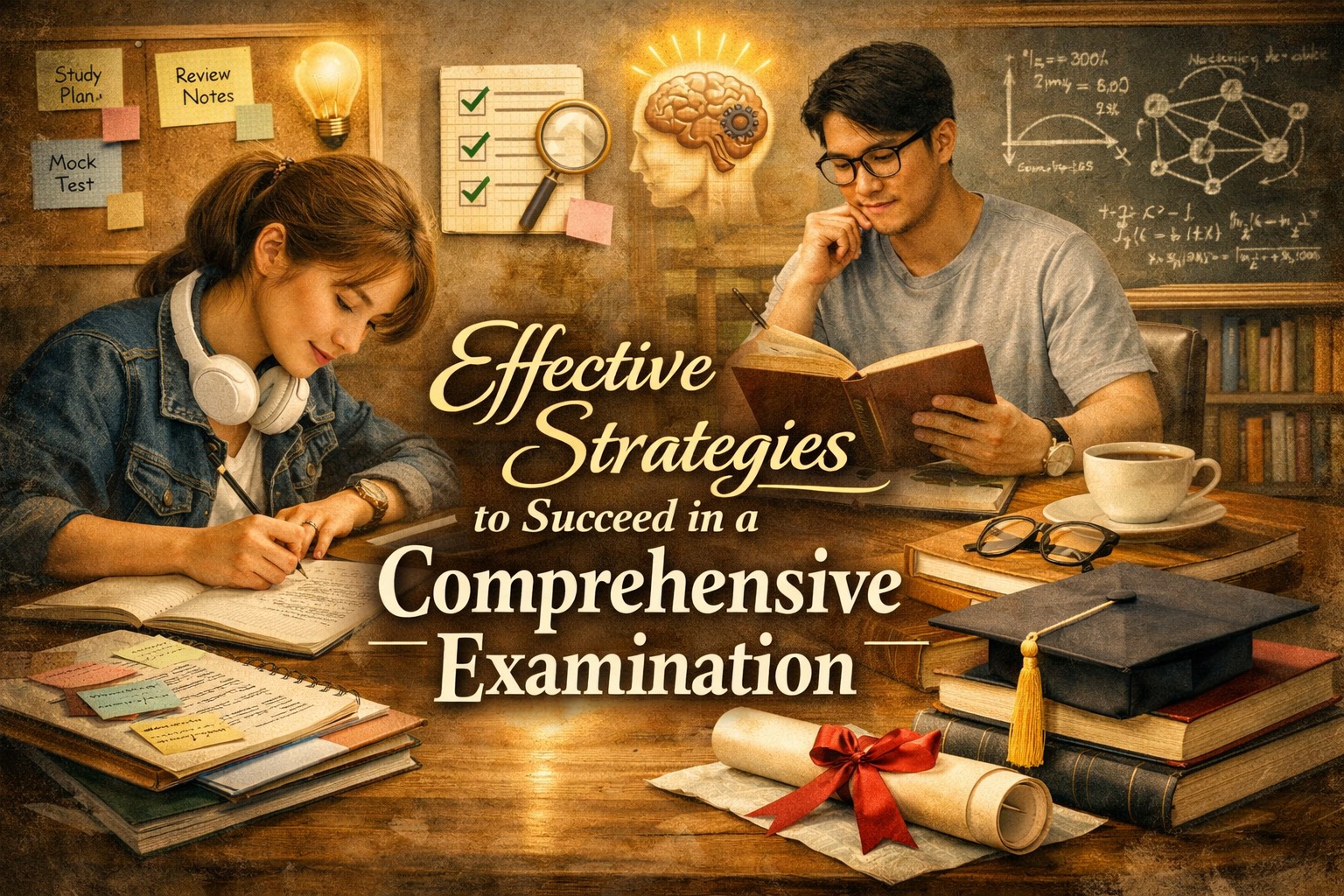
A comprehensive examination is one of the most significant academic milestones for university students. Unlike regular tests, this examination evaluates a student's overall understanding of their field of study, analytical thinking, and readiness to move forward to the next stage of their academic journey. Proper preparation is essential because the exam often covers a wide range of topics learned throughout the program.
Many students feel overwhelmed before taking a comprehensive examination, but success is achievable with the right approach. Developing effective study habits, managing time wisely, and maintaining confidence can greatly improve performance. This article discusses practical and proven strategies that can help students prepare efficiently and perform at their best.
UNDERSTAND THE PURPOSE OF A COMPREHENSIVE EXAMINATION
Before creating a study plan, it is important to understand the purpose of a comprehensive examination. Unlike subject-specific tests, this examination measures your ability to connect different concepts and demonstrate a broad understanding of your academic discipline. It also evaluates your critical thinking, communication skills, and problem-solving abilities.
Knowing the exam objectives helps students focus on the most relevant materials instead of memorizing every detail. By understanding what examiners expect, you can prepare more strategically and reduce unnecessary stress during the preparation process.
CREATE A STRUCTURED STUDY PLAN
A well-organized study plan is one of the most effective ways to prepare for a comprehensive examination. Divide the syllabus into smaller sections and assign specific topics to each study session. Setting realistic daily and weekly goals makes the preparation process more manageable and less overwhelming.
Consistency is more valuable than studying for long hours without direction. Review your progress regularly and adjust your schedule when necessary. A structured plan helps you cover all essential topics while leaving enough time for revision before the examination day.
REVIEW FUNDAMENTAL CONCEPTS FIRST
Strong preparation begins with mastering the fundamental concepts of your field. Many comprehensive examinations focus on core theories, principles, and essential knowledge that students have learned throughout their academic program. Building a solid foundation makes it easier to understand more advanced topics.
After reviewing the basics, gradually move to more complex materials and recent developments in your discipline. This step-by-step approach improves knowledge retention and enables you to answer both simple and analytical questions with greater confidence.
PRACTICE WITH SAMPLE QUESTIONS
Working on sample questions is an excellent way to become familiar with the examination format. Practice allows you to identify common question patterns, improve your analytical thinking, and manage your time effectively during the actual exam. It also helps reduce anxiety by making the examination process feel more familiar.
Review your answers carefully after each practice session. Identify mistakes, understand why they occurred, and focus on improving weak areas. Continuous practice strengthens both your knowledge and your confidence.
DEVELOP EFFECTIVE TIME MANAGEMENT SKILLS
Good time management plays a major role in examination success. During preparation, allocate sufficient time for studying, reviewing notes, practicing questions, and taking breaks. Avoid last-minute cramming because it often leads to unnecessary stress and reduced information retention.
On the examination day, divide your available time wisely across all questions. Answer easier questions first before moving to more challenging ones. This strategy helps maximize your score while ensuring that every question receives appropriate attention.
PARTICIPATE IN GROUP DISCUSSIONS
Joining study groups can provide valuable learning opportunities. Discussing concepts with classmates exposes you to different perspectives and allows you to clarify topics that may seem confusing. Explaining ideas to others also reinforces your own understanding.
However, ensure that group discussions remain focused and productive. Set clear objectives for each session and avoid spending excessive time on unrelated conversations. Balanced collaboration can significantly enhance your overall preparation.
IMPROVE YOUR CRITICAL THINKING SKILLS
A comprehensive examination often emphasizes critical thinking rather than simple memorization. Practice analyzing case studies, comparing theories, evaluating evidence, and forming logical conclusions. These activities help strengthen your reasoning abilities.
Reading academic journals, participating in classroom discussions, and solving complex problems are excellent ways to improve analytical skills. Strong critical thinking enables you to provide well-structured and convincing answers during the examination.
MAINTAIN A HEALTHY LIFESTYLE DURING PREPARATION
Academic preparation should always be balanced with good physical and mental health. Get enough sleep, eat nutritious meals, stay hydrated, and exercise regularly to maintain concentration and energy levels. A healthy body supports optimal brain performance.
Managing stress is equally important. Take short breaks between study sessions, practice relaxation techniques, and maintain a positive mindset. Students who prioritize their well-being often perform better under examination pressure.
BUILD CONFIDENCE BEFORE THE EXAM
Confidence is an essential factor in examination performance. Believe in the effort you have invested throughout your preparation. Avoid comparing yourself excessively with other students because everyone has different learning styles and strengths.
Before entering the examination room, review key points instead of trying to learn entirely new material. Stay calm, read each question carefully, and answer with confidence. A positive attitude can significantly influence your ability to think clearly and perform effectively.
CONCLUSION
Preparing for a comprehensive examination requires careful planning, consistent study habits, and a balanced lifestyle. By understanding the exam objectives, creating a structured study plan, reviewing fundamental concepts, practicing sample questions, improving critical thinking, and managing time effectively, students can significantly increase their chances of success.
Ultimately, success in a comprehensive examination is not determined solely by intelligence but also by discipline, preparation, confidence, and perseverance. Applying these effective strategies will help students approach the examination with greater readiness and achieve their academic goals.
Tentang Penulis
Gusti Ayu Tita P
Penulis — Universitas STEKOM
Penulis aktif yang berfokus pada isu-isu akademik, teknologi pendidikan, dan pengembangan sumber daya manusia di lingkungan kampus.