Essential Skills Every College Student Needs for Career Success
Gusti Ayu Tita P
24 September 2026
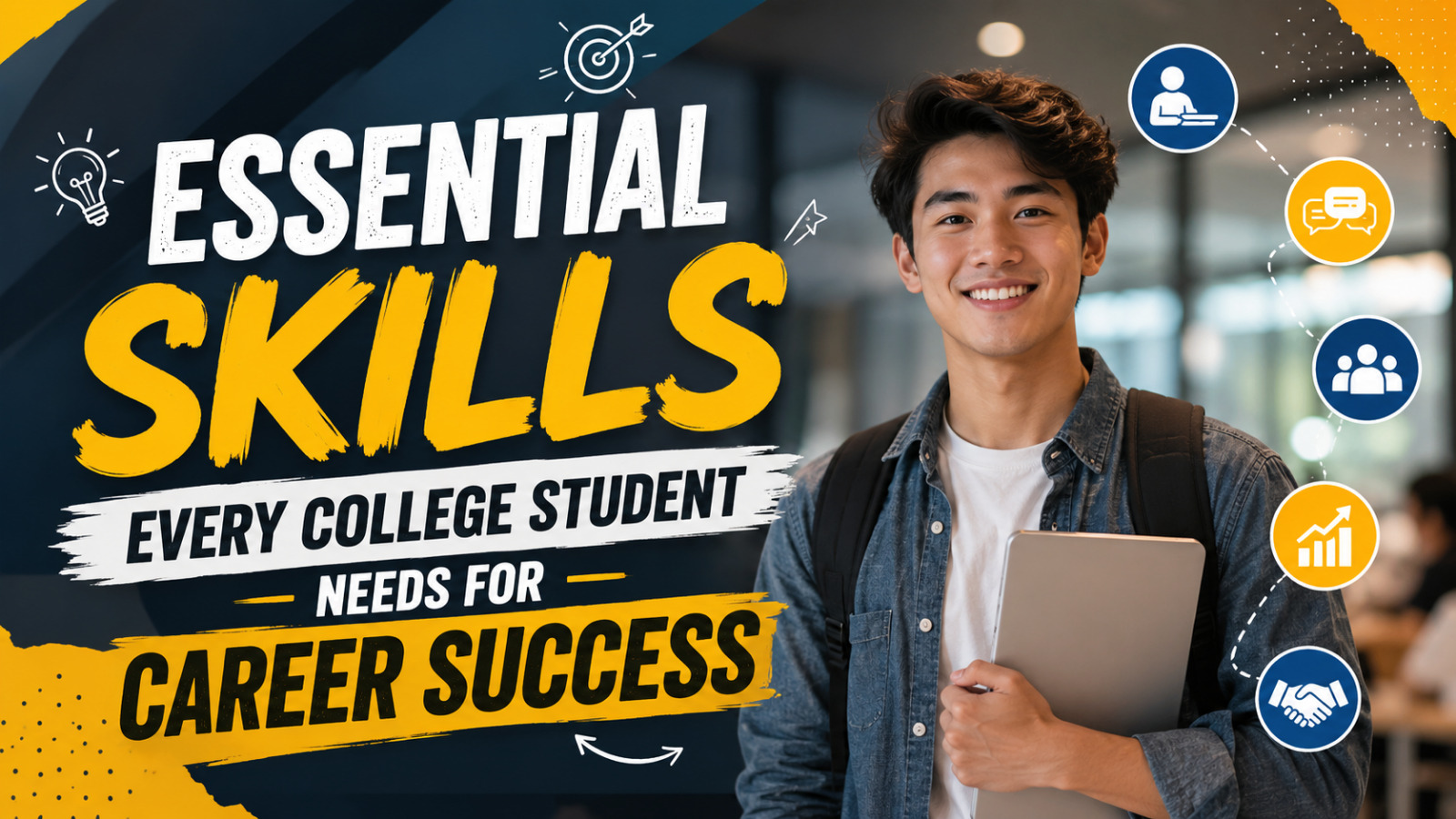
College is not only about earning a degree. It is also the right time to build skills that will help students succeed in the professional world. Today, employers look for graduates who can communicate well, solve problems, manage time, and work with others. Academic knowledge is important, but it becomes more valuable when supported by practical skills. Because of that, every student should start developing important career skills as early as possible.
COMMUNICATION SKILLS
Communication Skills are one of the most important abilities for College Students. Students need them to present ideas, join discussions, write assignments, and work in groups. In the workplace, communication is also needed for meetings, emails, teamwork, and professional interaction. Someone who can speak clearly and listen carefully usually performs better in both academic and work settings. Strong communication also helps students build confidence and create a professional image.
Besides speaking, communication also includes writing and listening. Students should learn how to explain ideas in a simple and organized way. They should also practice active listening so they can understand instructions and respond well to others. Joining presentations, class discussions, and campus organizations can help improve this skill. Good communication will support students in interviews, internships, and future jobs.
TIME MANAGEMENT
Time Management helps students balance classes, assignments, exams, and personal activities. Without this skill, many students feel stressed, miss deadlines, and lose focus. Managing time well allows students to stay productive and complete tasks more effectively. It also teaches discipline, responsibility, and planning, which are very important for Career Success. Employers value people who can work on time and manage priorities well.
Students can improve time management by making daily schedules and setting clear priorities. Large tasks should be divided into smaller steps so they feel easier to finish. Using a planner, calendar, or to-do list can also help students stay organized. Avoiding procrastination is another important part of managing time. With good time management, students can reduce pressure and improve their overall performance.
PROBLEM SOLVING AND CRITICAL THINKING
Problem Solving and Critical Thinking are essential in both college and the workplace. These skills help students analyze situations, understand challenges, and make better decisions. In class, students use them when answering complex questions, doing research, and evaluating information. At work, employers prefer people who can stay calm, think clearly, and find practical solutions. This makes these skills very valuable for long-term career growth.
Critical thinking also teaches students to look at a problem from different perspectives before making conclusions. Problem solving helps them choose the best action when facing difficulties. Students can improve these skills by asking questions, joining discussions, and practicing case studies. Reading, researching, and analyzing information carefully are also helpful. When students think critically and solve problems well, they become more ready for professional challenges.
TEAMWORK AND ADAPTABILITY
Teamwork is important because students often need to work with others in projects and campus activities. Through teamwork, they learn how to share ideas, respect opinions, divide tasks, and complete goals together. In the workplace, collaboration is necessary because most jobs require employees to work with teams. Students who can cooperate well usually build better relationships and become easier to work with. Teamwork also supports leadership, responsibility, and communication development.
Adaptability is equally important because the world of work changes quickly. Students need to be open to new systems, new challenges, and new ways of learning. People who adapt well can stay productive even in unfamiliar situations. A willingness to learn also makes students more valuable in professional environments. By joining internships, organizations, and new experiences, students can become more flexible and better prepared for future careers.
DIGITAL LITERACY AND LEADERSHIP
In today’s modern world, Digital Literacy is a must-have skill for college students. Students should know how to use technology for research, presentations, communication, and productivity. Basic digital skills include using documents, spreadsheets, presentation tools, and online meeting platforms. These abilities are useful not only in college but also in almost every profession. Students who are comfortable with technology often work faster and adapt more easily to workplace systems.
Leadership is also valuable because it teaches students to take initiative and responsibility. Leadership does not always mean leading a large team, but it includes being proactive, dependable, and able to guide others when needed. Students can build leadership through group projects, student organizations, and volunteer work. This skill helps improve confidence, decision-making, and accountability. Together, digital literacy and leadership make students more prepared for real career demands.
CONCLUSION
To achieve Career Success, students need more than academic knowledge. They also need essential skills such as Communication Skills, Time Management, Problem Solving, Teamwork, Adaptability, Digital Literacy, and Leadership. These abilities help students become more confident, productive, and ready for the workplace. Developing them during college will make the transition to professional life much easier. In the end, students who build these skills early will have stronger opportunities for future success.
Tentang Penulis
Gusti Ayu Tita P
Penulis — Universitas STEKOM
Penulis aktif yang berfokus pada isu-isu akademik, teknologi pendidikan, dan pengembangan sumber daya manusia di lingkungan kampus.