Financial Management for Boarding Students
Gusti Ayu Tita P
15 Oktober 2026
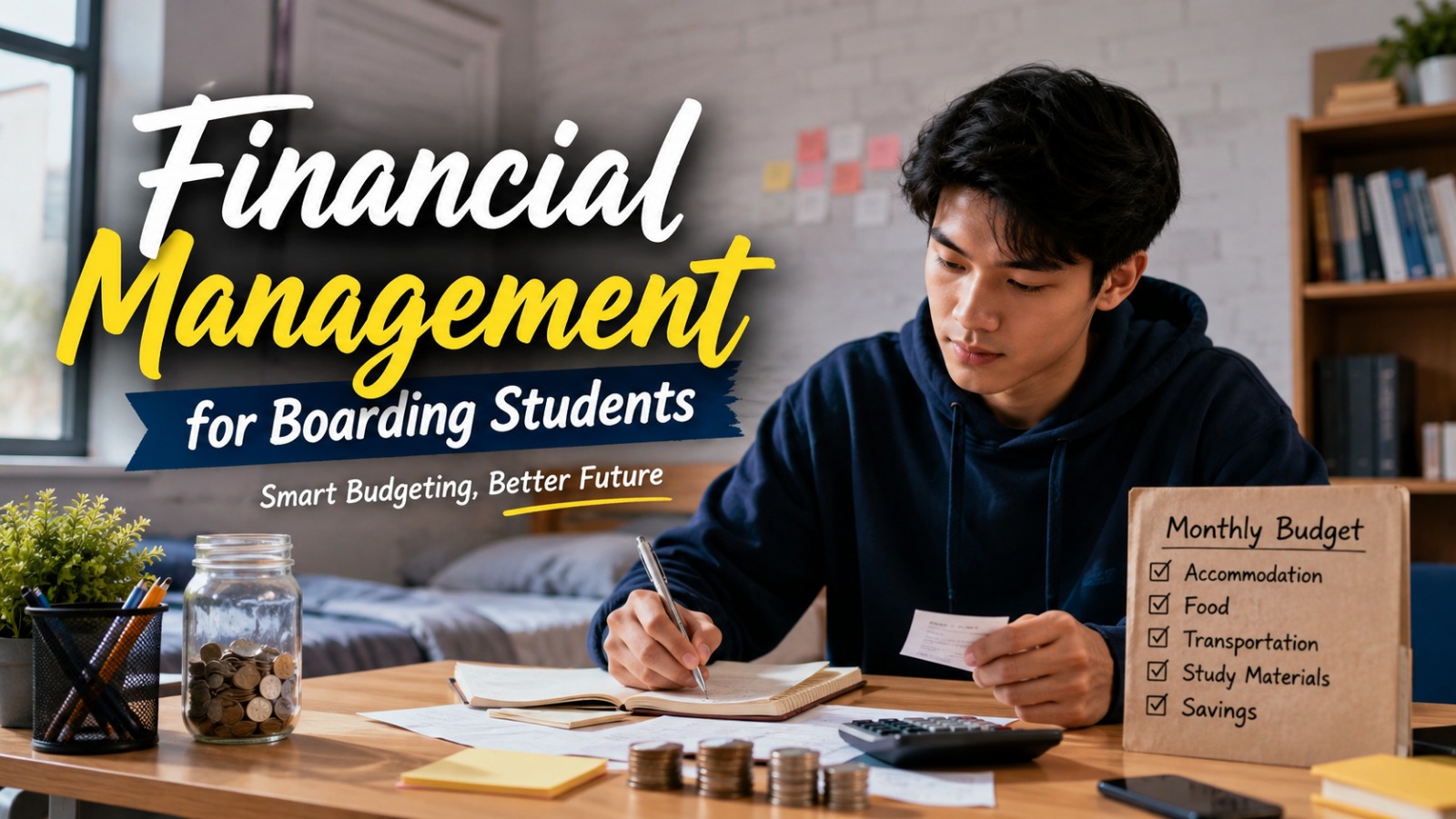
Managing money is one of the most valuable life skills for students living in boarding houses, dormitories, or away from their families. Without proper financial planning, daily expenses can quickly exceed the available budget, leading to unnecessary stress and financial difficulties. Developing good money habits early helps students focus on their studies while maintaining a balanced lifestyle.
Whether the monthly allowance comes from parents, scholarships, or part-time jobs, every boarding student should understand the importance of budgeting, saving, and spending wisely. Effective financial management not only covers daily necessities but also prepares students for unexpected expenses and future financial independence.
FINANCIAL MANAGEMENT FOR BOARDING STUDENTS
Living independently requires students to make financial decisions every day. Unlike living at home, boarding students are responsible for paying for meals, transportation, study materials, internet access, personal needs, and entertainment. Without a clear spending plan, small daily purchases can accumulate into significant expenses by the end of the month.
Creating a monthly budget is the first step toward financial stability. Students should list their expected income and divide it into essential categories such as food, accommodation, transportation, education, savings, and emergency funds. Following a budget consistently helps reduce unnecessary spending while ensuring that important needs are always prioritized.
CREATE A REALISTIC MONTHLY BUDGET
A practical budget should reflect actual living expenses rather than ideal estimates. Students can monitor their spending for one or two months to identify where their money goes before creating a detailed budget. This approach makes financial planning more accurate and easier to maintain.
It is also helpful to review the budget regularly. Prices may change over time, and academic activities sometimes require additional expenses for books, projects, or campus events. Updating the budget each month ensures that financial plans remain realistic and effective.
DISTINGUISH BETWEEN NEEDS AND WANTS
One of the biggest financial challenges for boarding students is differentiating between essential needs and personal wants. Essential needs include rent, meals, transportation, tuition-related expenses, and communication costs. Wants usually involve dining at expensive restaurants, buying trendy fashion items, or subscribing to multiple entertainment services.
Making this distinction helps students spend more responsibly. Before making any purchase, asking whether the item is necessary or simply desirable can prevent impulsive buying. Over time, this habit leads to healthier financial decisions and greater savings.
BUILD AN EMERGENCY FUND
Unexpected expenses can happen at any time. Medical costs, damaged electronic devices, emergency travel, or sudden academic requirements may require immediate financial resources. Having an emergency fund provides peace of mind and reduces dependence on borrowing money.
Students do not need to save large amounts immediately. Setting aside a small portion of their monthly allowance consistently can gradually build a reliable emergency fund. Even modest savings can make a significant difference during unexpected situations.
TRACK DAILY EXPENSES
Recording daily expenses allows students to understand their spending patterns more clearly. Mobile budgeting applications, spreadsheets, or even simple notebooks can help monitor every purchase. Small expenses such as snacks, drinks, or transportation often consume more money than expected when left untracked.
By reviewing expense records each week, students can identify unnecessary spending and adjust their habits accordingly. This simple practice improves financial awareness and supports better decision-making throughout the month.
FIND WAYS TO SAVE MONEY
Saving money does not always require major lifestyle changes. Boarding students can reduce expenses by preparing simple meals, purchasing used textbooks, taking advantage of student discounts, and sharing transportation with friends whenever possible. Small savings accumulated over time create meaningful financial benefits.
Students should also compare prices before making purchases and avoid buying items solely because they are on sale. Smart shopping focuses on value rather than discounts, helping students spend efficiently without sacrificing quality.
DEVELOP HEALTHY FINANCIAL HABITS
Good financial habits formed during student life often continue into adulthood. Paying bills on time, avoiding unnecessary debt, saving regularly, and planning future expenses all contribute to long-term financial success. These habits also build confidence in managing personal finances independently.
Financial discipline does not mean eliminating all enjoyment. Instead, it encourages students to balance responsible spending with occasional recreation while staying within their budget. This balanced approach supports both financial security and overall well-being.
CONCLUSION
Financial management is an essential skill for every boarding student. By creating a realistic budget, distinguishing between needs and wants, building an emergency fund, tracking daily expenses, and practicing smart saving habits, students can enjoy greater financial stability and reduce unnecessary stress. Developing these habits early not only supports academic success but also prepares students for responsible financial management throughout their lives.
Tentang Penulis
Gusti Ayu Tita P
Penulis — Universitas STEKOM
Penulis aktif yang berfokus pada isu-isu akademik, teknologi pendidikan, dan pengembangan sumber daya manusia di lingkungan kampus.