Fixed Term Employment vs Permanent Employment Which Is Better?
Gusti Ayu Tita P
24 September 2026
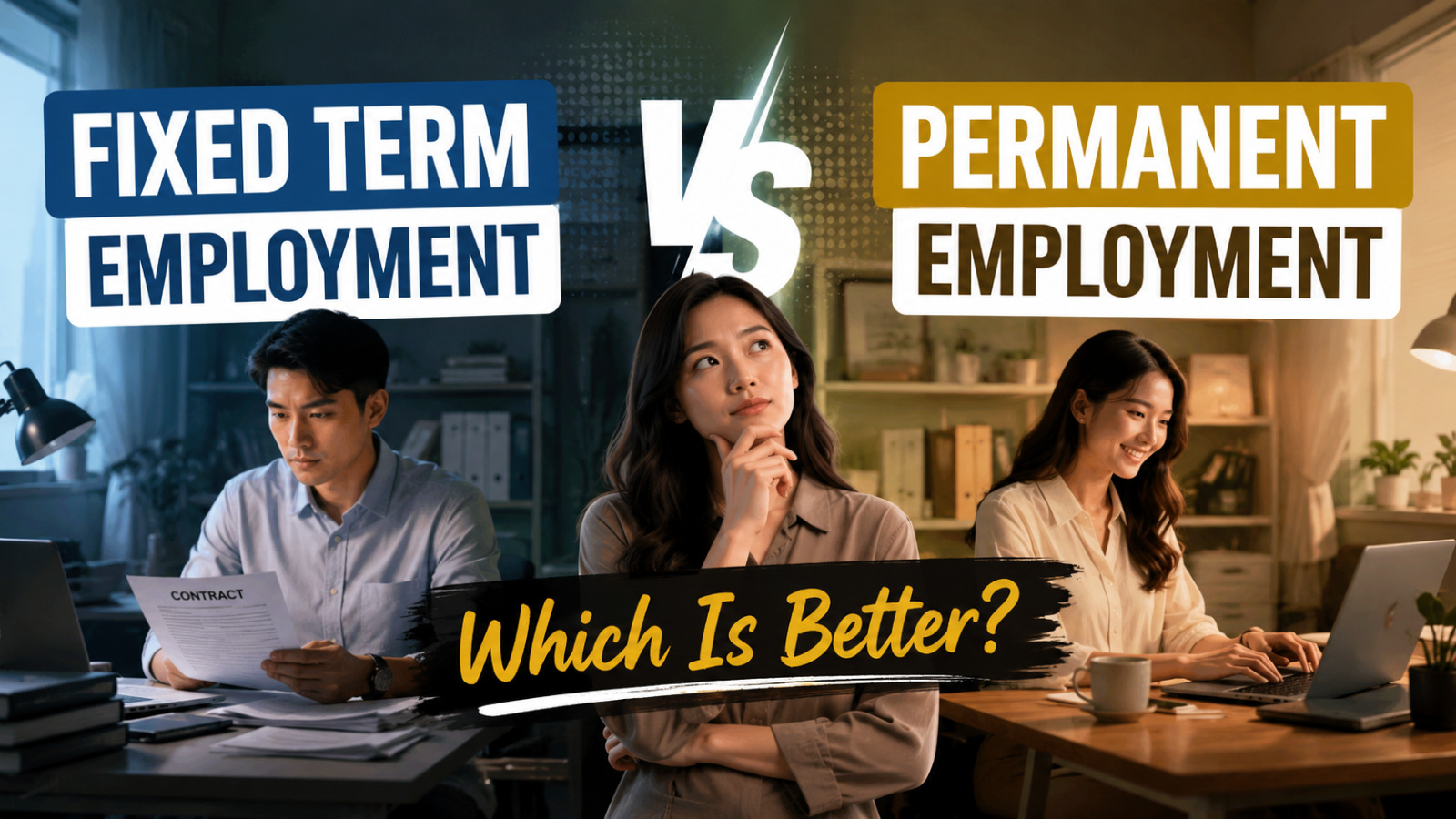
Choosing between fixed term employment and permanent employment is an important decision for both employees and employers. Each type of employment offers different advantages, responsibilities, and career opportunities. Some people prefer the flexibility of temporary contracts, while others value the stability of permanent positions. Understanding the differences can help job seekers make informed career decisions and assist businesses in selecting the right hiring strategy. This article explains the key differences, benefits, disadvantages, and factors to consider before choosing the employment type that best fits your goals.
UNDERSTANDING FIXED TERM EMPLOYMENT
Fixed term employment is a work agreement that lasts for a specific period or until a particular project has been completed. Employees know the contract's starting and ending dates before accepting the position. Companies often use this employment type to handle seasonal demand, temporary projects, or employee replacements. It provides businesses with flexibility while allowing workers to gain valuable experience in different industries.
Although the contract has an expiration date, fixed term employees usually receive the same basic workplace rights as other employees, depending on local labor laws. This employment type is suitable for professionals who enjoy working on different assignments or want to build their skills quickly. However, workers should understand the contract terms carefully because employment may not continue after the agreement ends.
UNDERSTANDING PERMANENT EMPLOYMENT
Permanent employment is an ongoing work arrangement without a predetermined end date. Employees remain with the company as long as they perform well and the employer continues the business relationship. This employment type is widely preferred because it offers job stability, predictable income, and better long-term career opportunities.
Permanent employees often receive additional benefits such as health insurance, retirement plans, paid leave, bonuses, and professional development programs. They also have greater opportunities for promotion and career advancement. Because of these advantages, permanent employment is often considered the ideal option for individuals seeking financial security and long-term professional growth.
ADVANTAGES OF FIXED TERM EMPLOYMENT
One of the biggest advantages of fixed term employment is its flexibility. Employees can explore different industries, develop new skills, and expand their professional networks without making a long-term commitment. This experience can strengthen their resumes and improve future employment opportunities.
For employers, fixed term contracts help manage workloads efficiently during busy seasons or special projects. Businesses can hire qualified professionals only when needed, reducing long-term employment costs. In some cases, a successful fixed term employee may even receive an offer for a permanent position after demonstrating excellent performance.
ADVANTAGES OF PERMANENT EMPLOYMENT
The greatest strength of permanent employment is its long-term security. Employees enjoy stable monthly income and can confidently plan their finances, family responsibilities, and future investments. A permanent position also provides peace of mind because workers do not need to search for a new job whenever a contract expires.
Permanent employees generally receive better compensation packages and stronger legal protections. They also benefit from career development opportunities, internal promotions, leadership training, and continuous performance evaluations. These advantages help employees build rewarding and sustainable careers within a single organization.
DISADVANTAGES OF FIXED TERM EMPLOYMENT
Despite its flexibility, fixed term employment has several limitations. The most significant drawback is job uncertainty, as employees may need to search for another position once their contract ends. This uncertainty can create financial stress, especially if a new opportunity is not immediately available.
Fixed term employees may also receive fewer benefits than permanent staff, depending on company policies and local employment regulations. Career progression within the same company may be limited because employers often prioritize permanent employees for leadership roles and long-term development programs.
DISADVANTAGES OF PERMANENT EMPLOYMENT
Although permanent employment provides stability, it may reduce flexibility for individuals who enjoy changing industries or exploring different career paths. Employees may become comfortable in one position and miss opportunities to develop new experiences elsewhere. Career changes can also become more difficult after many years in the same organization.
From the employer's perspective, permanent employees require greater long-term financial commitments. Companies must provide salaries, benefits, insurance, paid leave, and other employment costs. During economic downturns, maintaining a large permanent workforce may become more challenging than relying on temporary contracts.
WHICH EMPLOYMENT TYPE IS BETTER?
There is no universal answer because the best choice depends on individual career goals and personal circumstances. If you value flexibility, project-based work, and gaining experience across different industries, fixed term employment may be the better option. It allows professionals to build diverse skills and expand their career opportunities.
On the other hand, if your priority is financial stability, career advancement, and long-term employment benefits, permanent employment is generally the better choice. Before accepting any job offer, carefully evaluate your financial needs, career objectives, preferred work style, and future plans. Choosing the right employment type will help you achieve greater professional satisfaction and long-term success.
CONCLUSION
Both fixed term employment and permanent employment offer valuable benefits depending on your personal and professional objectives. Fixed term contracts provide flexibility, diverse work experience, and opportunities to develop new skills, while permanent positions offer stability, comprehensive benefits, and long-term career growth. Understanding the strengths and limitations of each option allows both employees and employers to make informed decisions. Ultimately, selecting the right employment type depends on your priorities, career ambitions, and lifestyle preferences.
Tentang Penulis
Gusti Ayu Tita P
Penulis — Universitas STEKOM
Penulis aktif yang berfokus pada isu-isu akademik, teknologi pendidikan, dan pengembangan sumber daya manusia di lingkungan kampus.