Future Trends in Investment Portfolio Management in the Digital Finance Era
Gusti Ayu Tita P
6 Agustus 2026
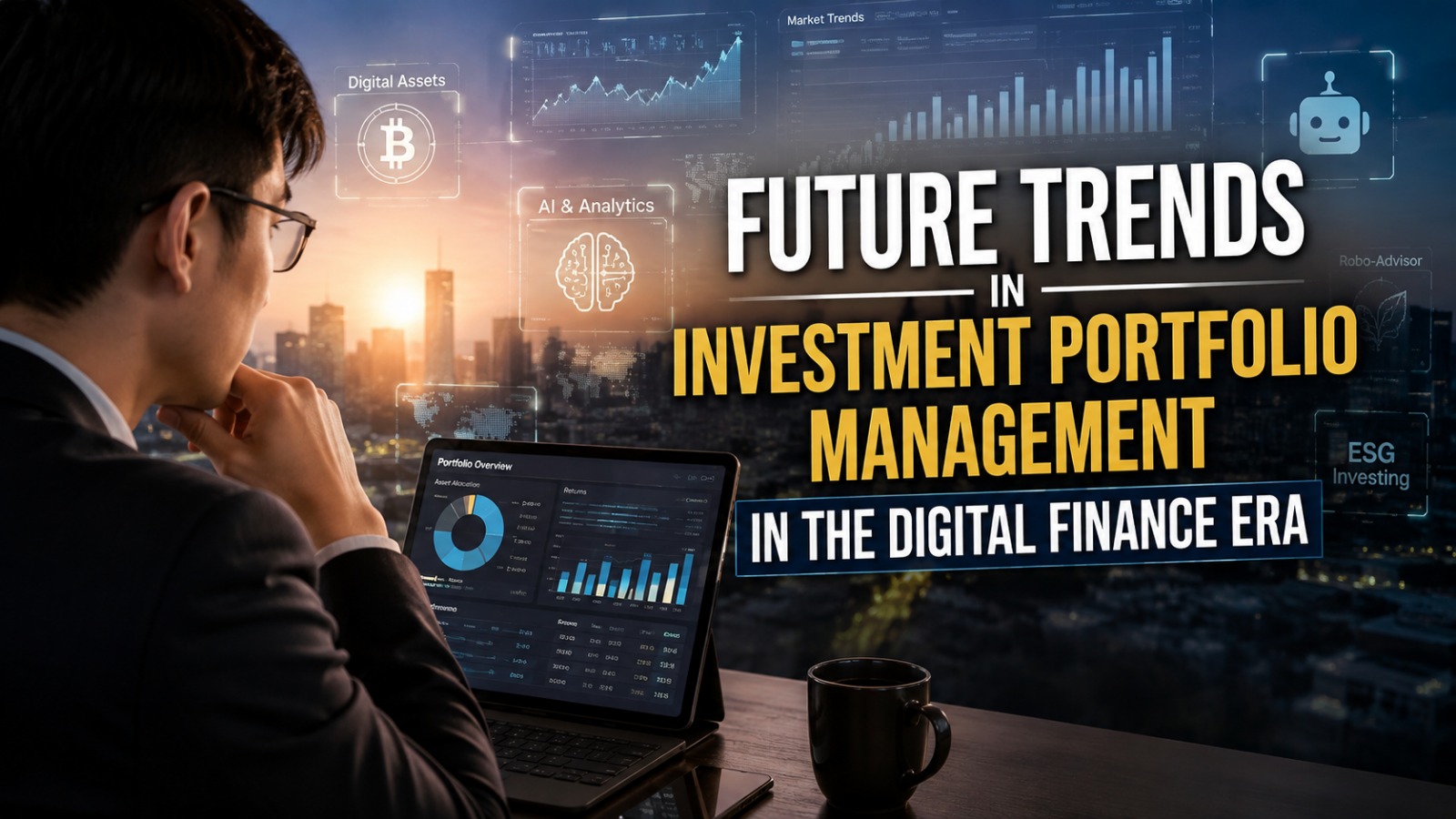
The financial industry is experiencing significant changes as technology continues to transform how people manage their money. The rise of digital finance has introduced new tools, platforms, and strategies that influence modern investment portfolio management. Investors today have greater access to information, automated services, and innovative financial solutions than ever before.
Understanding future trends in portfolio management is important for investors who want to stay competitive in a rapidly changing environment. Advances in technology, artificial intelligence, data analysis, and digital investment platforms are creating new opportunities for smarter and more efficient investing. These developments will shape how investors build and manage portfolios in the future.
THE GROWTH OF DIGITAL INVESTMENT PLATFORMS
One of the biggest changes in modern investing is the growth of digital investment platforms. These platforms allow investors to manage their portfolios through websites and mobile applications without relying entirely on traditional financial services. Accessibility and convenience have made investing easier for more people.
Digital platforms provide features such as portfolio tracking, market information, automated investing, and financial analysis tools. This allows investors to make decisions faster and monitor their investments more efficiently. As technology continues to develop, digital platforms are expected to become an essential part of investment portfolio management.
THE ROLE OF ARTIFICIAL INTELLIGENCE IN PORTFOLIO MANAGEMENT
Artificial Intelligence (AI) is becoming an important technology in the financial industry. AI systems can analyze large amounts of financial data, identify patterns, and provide insights that support investment decisions. This technology helps investors understand market conditions more effectively.
In the future, AI may improve portfolio management through automated recommendations, risk analysis, and personalized investment strategies. While AI can provide valuable support, investors still need knowledge and critical thinking before making final decisions. Technology should assist investors rather than completely replace human judgment.
THE RISE OF ROBO ADVISORS
Robo advisors are becoming increasingly popular because they provide automated investment management services. These digital tools create investment strategies based on personal information such as financial goals, risk tolerance, and investment timelines.
Robo advisors can help beginners access professional-style portfolio management at lower costs. They automatically adjust asset allocation and provide recommendations based on changing market conditions. As digital finance continues expanding, robo advisors are expected to become more common among individual investors.
GREATER USE OF DATA ANALYTICS FOR INVESTMENT DECISIONS
Data analytics is changing how investors evaluate opportunities and manage risks. Modern investors can access large amounts of financial information, including market trends, company performance, and economic indicators. This information helps create more accurate investment strategies.
Through advanced analytics, investors can identify potential risks and opportunities more efficiently. Data-driven investing allows decisions to be based on research rather than emotions. In the future, better access to financial data will help investors create more strategic and personalized portfolios.
THE IMPORTANCE OF PERSONALIZED INVESTMENT STRATEGIES
Future investment management will focus more on personalization. Every investor has different financial goals, risk tolerance, and life circumstances. A single investment strategy cannot effectively meet the needs of everyone.
Technology allows financial platforms to create more customized investment strategies based on individual preferences. Personalized portfolios can adjust according to income changes, financial goals, and market conditions. This approach helps investors build portfolios that are more aligned with their personal objectives.
THE EXPANSION OF SUSTAINABLE INVESTING
Environmental, social, and governance considerations are becoming increasingly important in investment decisions. Many investors are now interested in companies that demonstrate responsible business practices. This trend has increased the popularity of sustainable investing and ESG-focused portfolios.
Future portfolio management is expected to include more consideration of environmental and social impacts. Investors may not only focus on financial returns but also consider how their investments contribute to broader goals. Sustainable investing creates opportunities to combine financial growth with positive social impact.
THE IMPACT OF BLOCKCHAIN AND DIGITAL ASSETS
Blockchain technology is creating new possibilities in the financial sector. Digital assets and blockchain-based systems have introduced alternative investment opportunities and new methods of transaction management.
Although digital assets involve significant risks and volatility, blockchain technology may influence future financial systems. Investors need to understand both the opportunities and challenges before including new asset categories in their portfolios. Proper research and risk management remain essential.
AUTOMATED PORTFOLIO MONITORING AND REBALANCING
Technology is making portfolio monitoring and rebalancing more efficient. Automated systems can track investment performance and identify when adjustments may be needed. This helps investors maintain proper asset allocation without constant manual monitoring.
Automated rebalancing can support investment discipline by reducing emotional decision-making. Instead of reacting to market movements, investors can follow predefined strategies. This approach creates a more consistent investment management process.
IMPROVING FINANCIAL EDUCATION THROUGH DIGITAL TOOLS
Digital technology is also improving access to financial education. Online courses, investment applications, and financial content platforms allow more people to learn about investing. Better education helps investors make more responsible decisions.
In the future, financial literacy will become increasingly important as investment options continue expanding. Investors who understand risk management, diversification, and asset allocation will be better prepared to use new financial technologies effectively.
CONCLUSION
The future of investment portfolio management will be strongly influenced by digital finance, artificial intelligence, data analytics, and personalized investment solutions. These technologies provide new opportunities for investors to manage portfolios more efficiently and make better-informed decisions.
However, technology alone cannot guarantee investment success. Investors still need proper knowledge, discipline, and effective risk management. By combining modern financial tools with strong investment principles, individuals can build stronger portfolios and achieve sustainable long-term financial growth in the digital finance era.
Tentang Penulis
Gusti Ayu Tita P
Penulis — Universitas STEKOM
Penulis aktif yang berfokus pada isu-isu akademik, teknologi pendidikan, dan pengembangan sumber daya manusia di lingkungan kampus.