How Are College Students Adapting to the Digital Era?
Gusti Ayu Tita P
28 September 2026
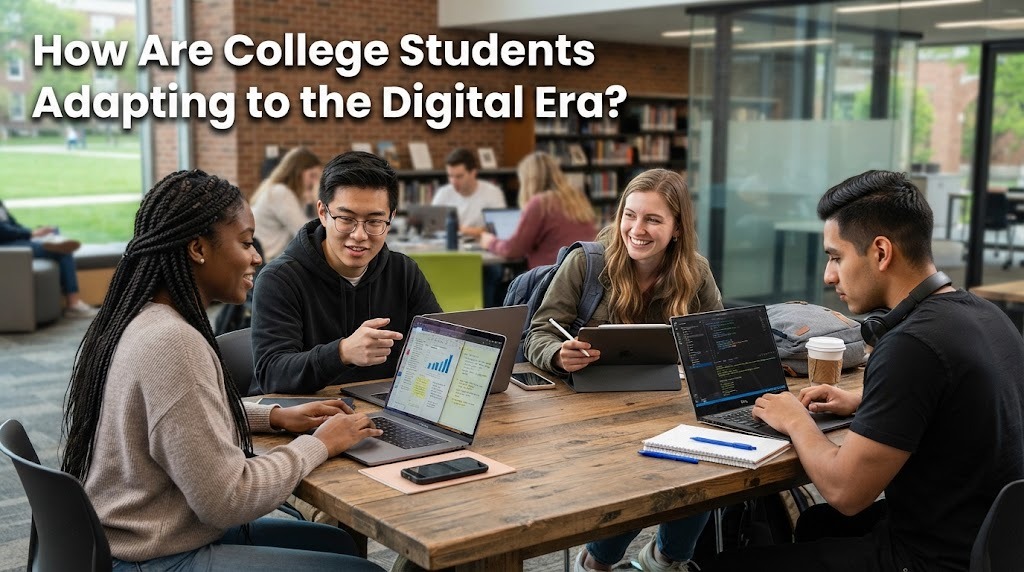
The digital era has changed many aspects of college life. Technology is now closely connected to learning, communication, social activities, career preparation, and access to information. College students need to adapt to these changes so they can use technology effectively in both academic and personal activities.
Digital adaptation does not simply mean using smartphones or laptops every day. Students also need to understand how to use digital tools responsibly, evaluate information, develop relevant skills, and protect their online identity. The ability to adapt to digital changes can support students in preparing for modern academic and professional environments.
STUDENTS ARE USING DIGITAL TOOLS FOR LEARNING
One of the clearest changes can be seen in how students study. Students can access digital books, online journals, educational videos, learning platforms, and other resources through the internet. Digital technology allows students to find learning materials more easily and study beyond traditional classroom activities.
Students can also use productivity and educational applications to organize their studies. They can take digital notes, create schedules, review materials, and practice through online resources. These tools can make learning more flexible when students use them according to their academic needs.
STUDENTS ARE DEVELOPING DIGITAL SKILLS
The digital era requires students to develop skills that go beyond basic device operation. They may need to understand digital communication, online collaboration, data management, content creation, and various technology-based tools. Digital skills can support students in completing academic tasks and preparing for future careers.
Students can develop these abilities through online courses, personal projects, campus activities, internships, or independent practice. Learning does not always have to take place inside the classroom. Consistent practice can help students become more confident when using technology for productive purposes.
STUDENTS ARE USING AI AND DIGITAL APPLICATIONS
Artificial intelligence and other digital applications have become part of many students' activities. Students may use technology to brainstorm ideas, organize information, practice concepts, or improve productivity. These tools can support learning when students remain responsible for understanding and evaluating the information they receive.
Students should not depend completely on automated tools. They still need to check information, think critically, and understand the material they are studying. Responsible technology use combines digital assistance with independent thinking and academic responsibility.
DIGITAL COMMUNICATION IS BECOMING MORE COMMON
Students increasingly communicate through messaging applications, email, video meetings, and online discussion platforms. These tools make it easier to coordinate assignments, communicate with lecturers, and maintain relationships with classmates. Digital communication has become an important part of modern campus activities.
However, online communication requires appropriate behavior. Students need to understand how to write clear messages, respect other people's time, and maintain professional communication. Good digital communication skills can also become useful when students enter the workplace.
STUDENTS ARE BUILDING THEIR DIGITAL PRESENCE
The digital era has encouraged students to pay more attention to their online presence. Social media, professional networking platforms, personal websites, and digital portfolios can be used to showcase projects, skills, achievements, and interests. A positive digital presence can support personal branding and career preparation.
Students should also think carefully before sharing content online. Posts, comments, images, and other digital activities can contribute to a person's digital footprint. Responsible online behavior can help students maintain a professional and trustworthy digital identity.
STUDENTS ARE ADAPTING TO FLEXIBLE LEARNING
Digital technology has made flexible learning more accessible. Students can participate in remote or blended learning, access recorded materials, and communicate with teachers through online platforms. This flexibility allows students to adjust some learning activities to different schedules and environments.
At the same time, flexible learning requires greater self-discipline. Students need to manage deadlines, avoid distractions, and maintain consistent study routines. Time management and independence are therefore important parts of adapting to digital education.
STUDENTS ARE PREPARING FOR DIGITAL CAREERS
Technology has also influenced how students think about future careers. Many students are exploring digital skills, online internships, freelancing, entrepreneurship, and technology-related professions. Career preparation increasingly involves understanding how digital tools are used in different industries.
Students can start preparing by developing portfolios, joining professional communities, learning relevant technologies, and gaining practical experience. They can also explore different career fields through online resources. Early preparation can help students understand which skills they need to develop before entering the workforce.
CONCLUSION
College students are adapting to the digital era by using digital learning tools, developing technology skills, exploring AI, communicating online, building digital identities, adapting to flexible learning, and preparing for digital careers. These changes show that technology has become an important part of modern student life.
However, digital adaptation requires more than simply using new devices and applications. Students need critical thinking, digital literacy, responsible communication, time management, and continuous learning habits. By combining technology with these skills, students can become better prepared for the changing demands of academic life and the modern workplace.
Tentang Penulis
Gusti Ayu Tita P
Penulis — Universitas STEKOM
Penulis aktif yang berfokus pada isu-isu akademik, teknologi pendidikan, dan pengembangan sumber daya manusia di lingkungan kampus.