How Are College Students Using Digital Platforms for Networking?
Gusti Ayu Tita P
28 September 2026
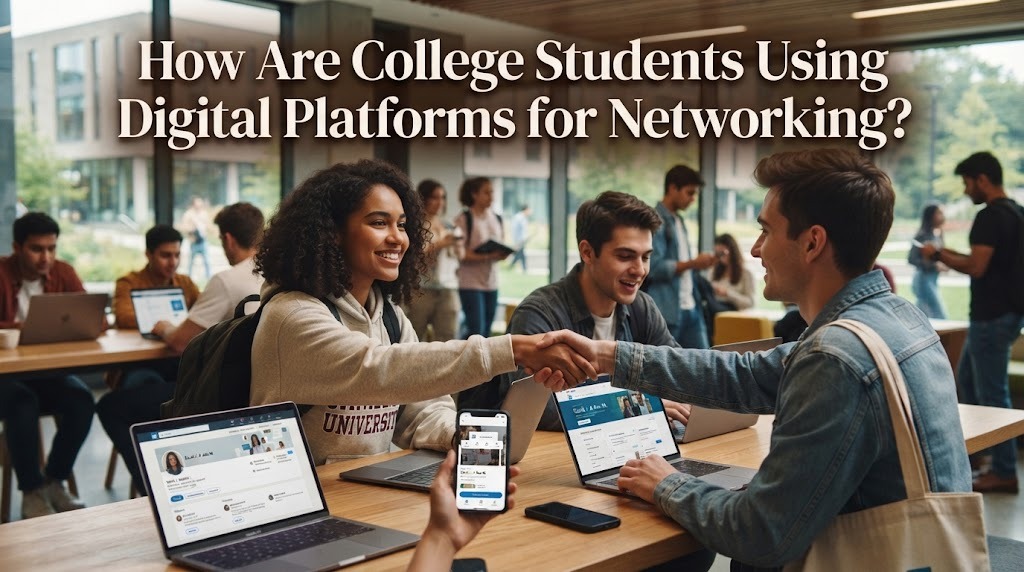
In today’s digital era, networking has become an important part of college life. Students are no longer limited to building relationships through classrooms, campus organizations, or face-to-face events. Digital platforms for networking allow college students to connect with classmates, professionals, communities, and potential employers from different locations. These platforms can also help students discover opportunities that may support their academic and career development. By using digital platforms wisely, students can build a professional network while still studying.
USING SOCIAL MEDIA TO BUILD PROFESSIONAL CONNECTIONS
Social media is one of the most accessible tools for students who want to expand their network. Platforms such as LinkedIn, Instagram, and other professional or community-based platforms can help students connect with people who share similar interests. Students can follow companies, professionals, educational communities, and organizations related to their fields. Following relevant accounts can also help students understand industry trends and discover useful information. However, students should maintain a professional and respectful online presence when interacting with others.
A strong social media presence does not necessarily require thousands of followers. Instead, students can focus on meaningful connections with people who have relevant knowledge, experience, or interests. Commenting thoughtfully on professional content and sharing useful academic projects can make a student's profile more visible. Over time, these simple activities can support the development of a digital professional network.
USING LINKEDIN FOR CAREER NETWORKING
LinkedIn is widely used for career networking because it is designed around professional relationships and employment opportunities. College students can create profiles that include their education, skills, projects, certifications, volunteer activities, and organizational experiences. A complete profile can make it easier for recruiters and professionals to understand a student's background. Students can also connect with alumni and professionals working in industries they are interested in. These connections may provide useful insights into career paths and workplace expectations.
Students should avoid sending connection requests without context whenever possible. A short and polite introduction can make the interaction more natural and professional. For example, students can explain that they are interested in learning about a particular industry or are connecting because they share an academic field. Professional communication can create a positive first impression and encourage future conversations.
JOINING ONLINE COMMUNITIES AND STUDENT GROUPS
Online communities provide another way for students to develop their networks. Students can join groups related to programming, design, entrepreneurship, journalism, business, research, languages, or other areas of interest. These communities may exist on social media, discussion forums, messaging platforms, or specialized websites. Online student communities allow members to exchange information, ask questions, share projects, and collaborate on activities. This interaction can introduce students to people outside their own campus.
Active participation is generally more valuable than simply joining many groups. Students can contribute by answering questions, sharing useful resources, or participating in discussions. They may also find collaborators for academic projects, competitions, research, or creative work. Through consistent participation, online networking can develop into genuine professional and academic relationships.
ATTENDING VIRTUAL EVENTS AND WEBINARS
Digital platforms have also made professional events more accessible to college students. Webinars, virtual conferences, online workshops, career talks, and digital seminars can connect students with speakers and participants from different institutions. These events can provide information about industries, careers, technology, and current developments. Students can use question-and-answer sessions to interact directly with speakers. Virtual events can therefore become useful opportunities for expanding a student's network.
Students can strengthen these connections by following up after an event. For example, they can send a polite message thanking a speaker for useful information and mentioning a specific topic they found interesting. If appropriate, students can also connect through a professional platform such as LinkedIn. This approach makes networking opportunities for students more purposeful instead of treating every digital interaction as a simple collection of contacts.
SHARING PROJECTS AND ACHIEVEMENTS ONLINE
Digital platforms can also function as a portfolio for students. Students can share academic projects, designs, articles, research activities, presentations, videos, or other relevant work depending on their field. Digital portfolios allow potential collaborators, professionals, and employers to see evidence of a student's abilities. Sharing projects can also create opportunities for feedback and collaboration. However, students should make sure that the content they publish is accurate and does not violate copyright or academic rules.
Students can make their online profiles more useful by presenting their work clearly. Each project can include a short explanation of its purpose, the student's contribution, and the skills involved. This helps other people understand not only what the student created but also how they worked on it. Consistent online activity can gradually strengthen a student's professional identity and make networking more productive.
DEVELOPING PROFESSIONAL COMMUNICATION SKILLS
Successful digital networking requires more than creating an account or adding connections. Students need to learn how to communicate clearly, politely, and appropriately in online environments. Messages should have a clear purpose and avoid unnecessary information. Students should also respect other people's time by not sending repeated messages when they do not receive a response. Professional digital communication is an important skill that can influence how others perceive a student's attitude.
Students should also be careful about their digital footprint. Public posts, comments, photos, and shared content can contribute to their online reputation. Before publishing something, students can consider whether the content reflects the image they want to present academically or professionally. A positive digital reputation can support networking, while careless online behavior may create unnecessary problems. Therefore, students should use digital platforms strategically and responsibly.
CONCLUSION
College students are using digital platforms for networking in many ways, from connecting with professionals to joining online communities and attending virtual events. LinkedIn, social media, online communities, webinars, and digital portfolios can provide valuable opportunities for academic and career development. However, effective networking depends on meaningful interaction rather than simply collecting a large number of contacts. Students should focus on building genuine relationships, communicating professionally, and sharing relevant work. By using digital platforms responsibly, college students can expand their networks and prepare themselves for future academic and career opportunities.
Tentang Penulis
Gusti Ayu Tita P
Penulis — Universitas STEKOM
Penulis aktif yang berfokus pada isu-isu akademik, teknologi pendidikan, dan pengembangan sumber daya manusia di lingkungan kampus.