
How Are Nervous System Disorders Diagnosed?
Gusti Ayu Tita P
22 September 2026
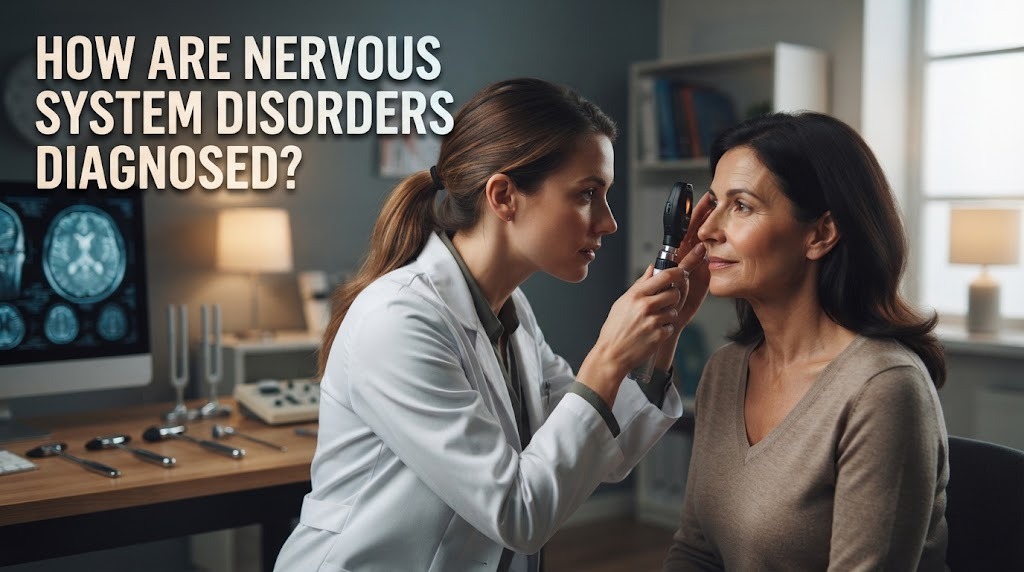
Diagnosing a nervous system disorder usually involves several steps because neurological symptoms can have many different causes. A healthcare professional may examine the brain, spinal cord, nerves, muscles, movement, sensation, and coordination to understand what may be happening.
The diagnostic process depends on the symptoms and suspected condition. Some people may need only a medical history and neurological examination, while others may require imaging, blood tests, or specialized nerve tests. An accurate diagnosis helps guide appropriate treatment and follow-up.
HOW DOES THE MEDICAL HISTORY HELP?
The diagnostic process often begins with questions about the patient's symptoms and medical history. Doctors may ask when symptoms started, how often they occur, what makes them better or worse, and whether they are changing over time. Information about previous illnesses, injuries, medications, and family history may also be relevant.
Patients should describe symptoms as clearly as possible. Details such as the location of numbness, the pattern of weakness, the duration of headaches, or changes in balance can provide useful clues. Keeping a simple symptom record before an appointment may make it easier to explain these changes.
WHAT HAPPENS DURING A NEUROLOGICAL EXAM?
A neurological examination checks how different parts of the nervous system are functioning. A healthcare professional may assess muscle strength, reflexes, sensation, coordination, balance, eye movements, speech, and mental function. The specific tests depend on the symptoms being investigated.
The examination can help identify which part of the nervous system may be affected. For example, differences in strength or reflexes may provide clues about nerve or muscle function. However, a neurological examination alone may not always identify the exact cause. Additional testing may be needed.
WHEN ARE BRAIN OR SPINE SCANS USED?
Imaging tests can provide pictures of the brain, spinal cord, or other structures. Magnetic resonance imaging and computed tomography scans may be used when doctors need to look for problems such as stroke, tumors, inflammation, bleeding, structural changes, or certain types of injury.
The choice of imaging depends on the symptoms and clinical findings. Not everyone with neurological symptoms needs a scan. A healthcare professional decides whether imaging is appropriate and which type of examination is most useful.
HOW CAN NERVE AND BLOOD TESTS HELP?
Blood tests can help identify conditions that may contribute to neurological symptoms. They may be used to check for problems such as nutritional deficiencies, infections, metabolic conditions, or other health issues. Blood tests are selected based on the symptoms and suspected causes.
Nerve conduction studies and electromyography can assess how nerves and muscles work. These tests may help identify certain peripheral nerve, nerve root, or muscle problems. Other specialized tests may be recommended when a particular neurological condition is suspected.
WHY CAN MORE THAN ONE TEST BE NEEDED?
Neurological disorders can have overlapping symptoms, so one test may not provide all the information needed. Doctors often combine medical history, physical examination, and test results to build a clearer picture of the condition. The diagnostic process may therefore take time in some cases.
Not every person needs every available test. Testing should be based on the individual's symptoms and clinical findings. Patients should also discuss the purpose and possible risks of recommended tests with their healthcare professional.
CONCLUSION
Nervous system disorders are diagnosed through a combination of medical history, neurological examination, imaging, blood tests, and specialized nerve or muscle tests when appropriate. The exact process varies depending on the symptoms and suspected condition.
A diagnosis should not be based on symptoms alone or on online information. Professional evaluation is important when neurological symptoms persist, worsen, or interfere with daily activities. Sudden weakness, speech difficulties, facial drooping, seizures, or other severe neurological changes require urgent medical attention.
Tentang Penulis
Gusti Ayu Tita P
Penulis — Universitas STEKOM
Penulis aktif yang berfokus pada isu-isu akademik, teknologi pendidikan, dan pengembangan sumber daya manusia di lingkungan kampus.



