How Can a Campus Email Help Build a Students Professional Identity?
Gusti Ayu Tita P
28 September 2026
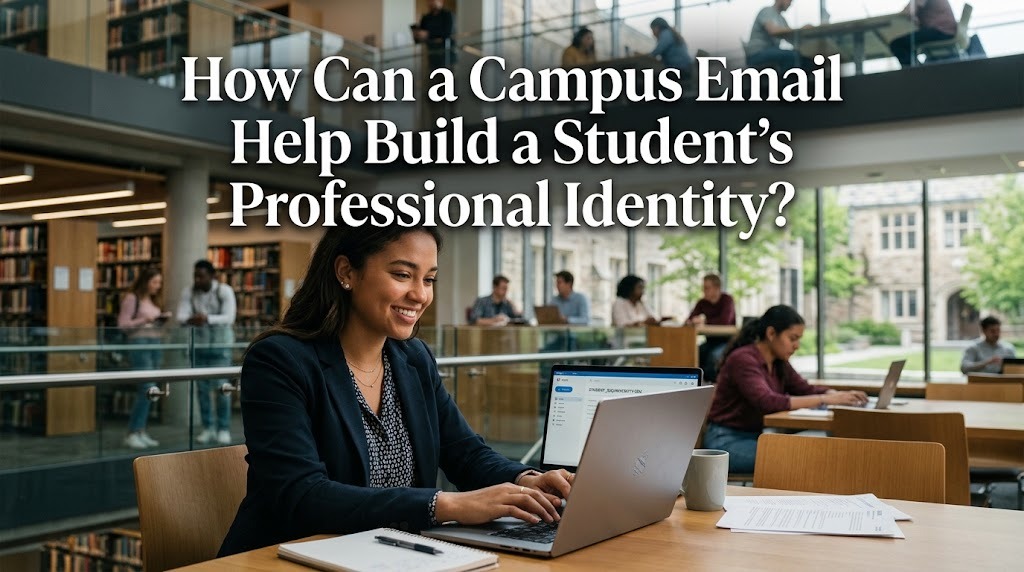
A campus email is more than a tool for receiving academic announcements. It can also help students develop a professional identity while they are still studying. The way students communicate through email can show their level of responsibility, organization, and respect for others. A well-managed campus email account can become part of a student's digital presence. This makes it useful for preparing students for communication in academic and professional environments.
CREATING A PROFESSIONAL DIGITAL IDENTITY
A campus email usually uses an address connected to the student's institution, which clearly identifies their academic affiliation. This can make communication more appropriate when students contact lecturers, academic staff, or organizations for campus activities. Compared with an informal personal address, a campus email can provide clearer academic context. Students should still make sure that their messages are written professionally. The email address itself is only one part of a professional digital identity.
Students can strengthen their identity by using clear names and appropriate communication in their emails. They should avoid unnecessary slang, excessive abbreviations, or unclear expressions when communicating about academic matters. A professional identity is gradually built through consistent behavior. Every email can therefore become an opportunity to practice responsible communication.
SHOWING PROFESSIONAL COMMUNICATION SKILLS
The way students write emails can demonstrate their communication skills. A good academic email normally includes a specific subject, polite greeting, clear explanation, and appropriate closing. Students should explain their purpose directly so the recipient can understand the message without unnecessary effort. They should also check spelling and grammar before sending an email. These habits are useful beyond college.
Professional email communication can prepare students for situations involving lecturers, supervisors, organizations, and future employers. Students learn how to adjust their language according to the purpose and recipient. They also learn that professional communication should be respectful and focused. These skills can become valuable when students enter internships or employment.
BUILDING A RESPONSIBLE ONLINE PRESENCE
A campus email can encourage students to become more responsible in digital communication. Students should protect their accounts and avoid sharing passwords with other people. They should also think carefully before sending sensitive documents or personal information. Maintaining account security is part of managing a professional digital presence. Responsible online behavior can help students avoid unnecessary communication and security problems.
Students should also keep their inbox organized by managing important messages and attachments. Creating folders for courses, projects, organizations, or administrative information can make information easier to find. Deleting unnecessary messages can also help maintain an organized account. These small habits demonstrate digital responsibility and organization.
SUPPORTING ACADEMIC AND ORGANIZATIONAL ACTIVITIES
Students may use campus email when participating in academic projects, student organizations, seminars, internships, or campus events. In these situations, clear communication can help students coordinate activities with other people. Email can also provide a written record of schedules, instructions, and responsibilities. Keeping these records can make collaboration easier. Students can gradually become more comfortable with formal communication.
When joining an activity, students should respond to relevant emails within a reasonable time. They should provide the information requested and follow any stated instructions. If they cannot participate, they should communicate this clearly and politely. Such behavior can demonstrate responsibility and reliability in academic settings.
PREPARING FOR FUTURE CAREER COMMUNICATION
The communication habits developed through campus email can be useful when students enter the professional world. Employees regularly communicate with colleagues, supervisors, clients, and organizations through email. Students who practice writing clear and professional messages during college can become more familiar with these expectations. Campus email therefore provides a practical environment for developing workplace communication habits.
Students can also learn how to attach documents, respond to messages, manage email threads, and organize important information. These abilities may be useful when applying for internships, communicating with recruiters, or working on professional projects. However, students should always follow the communication requirements of the organization they are contacting. Professional communication depends on both good writing and appropriate digital behavior.
CONCLUSION
A campus email can help build a student's professional identity by encouraging clear communication, digital responsibility, organization, and appropriate online behavior. Students can use it to practice communicating with lecturers, organizations, and other academic contacts. These habits can later support communication in internships and professional environments. By managing their campus email responsibly, students can gradually develop a stronger and more professional digital presence.
Tentang Penulis
Gusti Ayu Tita P
Penulis — Universitas STEKOM
Penulis aktif yang berfokus pada isu-isu akademik, teknologi pendidikan, dan pengembangan sumber daya manusia di lingkungan kampus.