
How Can a Hedonistic Lifestyle Affect Financial Planning?
Gusti Ayu Tita P
8 September 2026
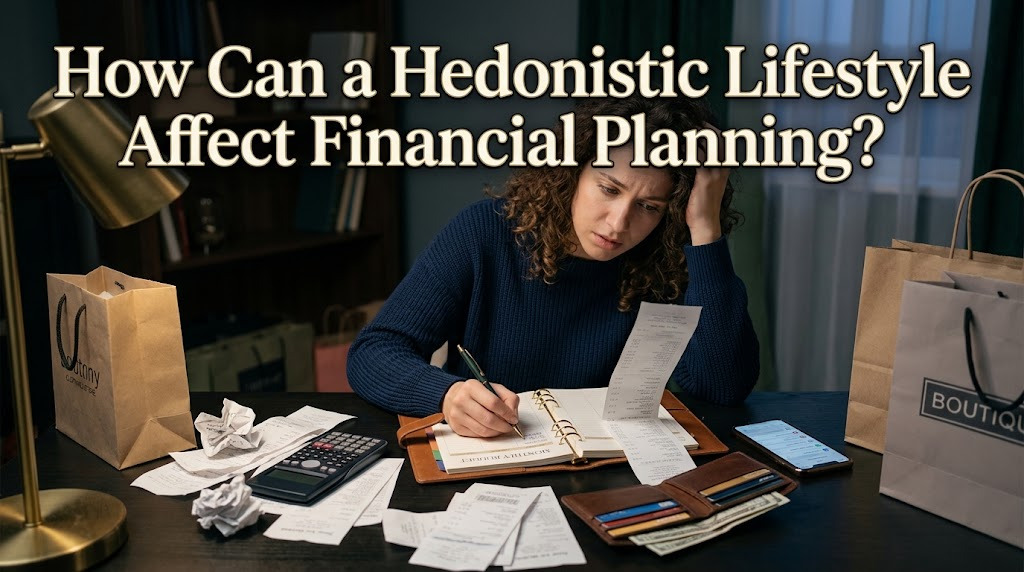
The way people spend money can strongly influence their financial future. Among young people, a hedonistic lifestyle may encourage frequent spending on entertainment, fashion, travel, food, technology, and other forms of personal enjoyment. These activities can make life more enjoyable, but they may become problematic when they consistently take priority over saving and future goals. Understanding the connection between hedonistic spending and financial planning can help young people make better decisions about their money.
UNDERSTANDING THE CONNECTION BETWEEN HEDONISM AND FINANCIAL PLANNING
A hedonistic lifestyle focuses heavily on pleasure, comfort, and immediate satisfaction. Someone may spend money because a purchase makes them feel happy, relaxed, or socially accepted rather than because it is genuinely necessary. Occasional spending for enjoyment is a normal part of a healthy lifestyle. However, frequent and uncontrolled consumption can make it difficult to maintain a balanced financial plan.
Financial planning requires people to consider both current needs and future objectives. Income needs to be distributed among essential expenses, savings, emergency funds, and discretionary spending. When too much money is used for immediate pleasure, fewer resources remain for long-term priorities. This can make financial goals harder to achieve, particularly when income is limited.
EXCESSIVE SPENDING CAN REDUCE SAVINGS
One of the most noticeable effects of a hedonistic lifestyle is the reduction of personal savings. A person who frequently spends on restaurants, shopping, entertainment, or travel may have little money left at the end of the month. Even relatively small purchases can become significant when they are repeated regularly. Without consistent savings, it becomes harder to prepare for unexpected expenses.
Savings also provide an important foundation for future financial goals. Young people may want to pay for further education, start a business, purchase a home, or prepare for other major expenses. If most available income is spent on short-term enjoyment, these goals may need to be postponed. Developing a habit of saving regularly can therefore provide greater flexibility and financial security.
HEDONISTIC SPENDING AND IMPULSIVE PURCHASES
Impulsive spending is another behavior that can interfere with financial planning. Digital marketplaces, social media advertisements, flash sales, and personalized recommendations can encourage people to purchase products without careful consideration. A person may buy something simply because it looks attractive or because it is currently popular. The immediate satisfaction may be strong, but the financial benefit may be limited.
Before making a purchase, consumers can consider whether the item is a need or a want. They can also ask whether the purchase fits their budget and whether they would still want it after waiting for a few days. This simple pause can reduce unnecessary spending. Developing conscious purchasing habits makes it easier to protect money for more important priorities.
THE RISK OF DEBT AND FINANCIAL PRESSURE
A hedonistic lifestyle can become more dangerous when people use debt to finance consumption. Credit cards, installment services, and other payment facilities can make expensive products appear easier to afford. However, the financial obligation does not disappear simply because payment is delayed. Multiple purchases can create several monthly commitments that become difficult to manage.
When debt grows beyond a person's ability to repay comfortably, financial pressure can increase. Money that should have been used for savings or essential expenses may instead be directed toward debt payments. This can also reduce financial flexibility when unexpected costs arise. Responsible financial planning therefore requires people to understand the total cost of borrowing before using credit for non-essential purchases.
HOW SOCIAL MEDIA CAN DISTRACT FINANCIAL PRIORITIES
Social media influence can make financial planning more difficult by encouraging constant comparison. Young people may see others traveling, buying expensive products, eating at popular restaurants, or enjoying luxurious experiences. These posts can create the impression that spending money is necessary to maintain a desirable lifestyle.
This can lead to FOMO or Fear of Missing Out, which may encourage purchases that were not part of the original financial plan. A person might spend money simply because friends are participating in a trend or because an experience is popular online. Recognizing that social media usually shows selected moments can help people avoid comparing their complete financial reality with someone else's carefully presented image.
BUILDING A BALANCED FINANCIAL PLAN
A healthy financial plan does not require people to eliminate entertainment completely. Instead, balanced budgeting allows individuals to allocate a reasonable amount of money for enjoyment while protecting essential financial priorities. Income can be divided among necessities, savings, debt payments, and discretionary spending according to individual circumstances. This approach makes financial decisions more structured and predictable.
It is also useful to establish short-term and long-term financial goals. Short-term goals might include building an emergency fund or saving for an important purchase, while long-term goals could involve education, investment, housing, or retirement. Tracking expenses regularly can show whether current spending supports these goals. When entertainment remains within a predetermined limit, people can enjoy their money without losing control of their financial future.
CONCLUSION
A hedonistic lifestyle can affect financial planning when the pursuit of immediate pleasure leads to excessive consumption, impulsive purchases, reduced savings, or unnecessary debt. Social media and digital shopping can make these behaviors easier by constantly presenting new products and experiences. If spending is not controlled, important financial goals may be delayed and future financial security may become weaker.
The solution is not to eliminate enjoyment from everyday life. Young people can maintain a healthy balance by practicing responsible spending, creating a realistic budget, saving consistently, and carefully considering purchases before making them. Understanding the difference between needs and wants can also help protect financial priorities. With financial discipline and conscious consumption, people can enjoy the present while continuing to build a more secure financial future.
Tentang Penulis
Gusti Ayu Tita P
Penulis — Universitas STEKOM
Penulis aktif yang berfokus pada isu-isu akademik, teknologi pendidikan, dan pengembangan sumber daya manusia di lingkungan kampus.