
How Can Disorders Affect Social Relationships?
Gusti Ayu Tita P
22 September 2026
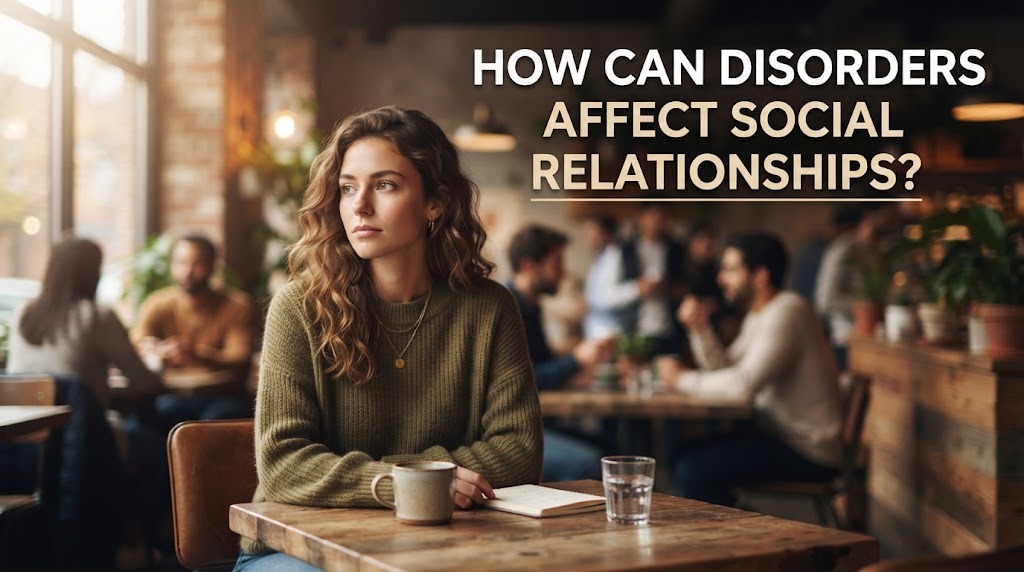
Disorders can affect social relationships in different ways depending on the type of disorder, its symptoms, and the person's circumstances. Difficulties with emotions, communication, behavior, or daily functioning may make social interactions more challenging. Some people may withdraw from others, while others may struggle to explain what they are experiencing. These difficulties can sometimes lead to misunderstandings between friends, family members, coworkers, or partners. However, having a disorder does not mean that a person cannot build healthy and meaningful relationships.
HOW CAN DISORDERS CHANGE SOCIAL INTERACTIONS?
Some disorders can affect the way a person communicates and responds during social situations. A person may find it difficult to express feelings, understand certain social cues, or respond calmly when experiencing strong emotions. Symptoms may also make ordinary conversations feel tiring or overwhelming. As a result, the person may reduce social activities or avoid certain situations. These changes can influence how others perceive and interact with them.
SOCIAL WITHDRAWAL AND ISOLATION
Social withdrawal is one possible effect of mental or behavioral health difficulties. A person may avoid friends, family gatherings, school activities, or workplace interactions because social situations feel stressful. Spending too much time alone can reduce opportunities for positive social experiences and emotional support. However, wanting temporary personal space is not necessarily a sign of a disorder. Concern may arise when withdrawal becomes persistent and significantly affects relationships or daily functioning.
COMMUNICATION DIFFICULTIES
Communication can become more difficult when a person is dealing with significant emotional or psychological symptoms. They may have trouble explaining their feelings, responding to messages, or discussing problems with people close to them. Others may misunderstand silence or changes in behavior and assume that the person is angry, uninterested, or unwilling to communicate. Clear and patient communication can reduce some of these misunderstandings. Professional support may also help a person develop healthier communication strategies.
TRUST AND EMOTIONAL CONNECTION
Some disorders may affect a person's ability to feel safe, trust others, or regulate emotions. This can make it harder to form or maintain close relationships. For example, intense fear, persistent worry, emotional instability, or previous difficult experiences may influence how a person interprets other people's actions. This does not mean that the person does not care about others. With appropriate support, people can learn strategies that help them build stronger emotional connections.
EFFECTS ON FAMILY AND FRIENDSHIPS
Disorders can also affect relationships with family members and close friends. Loved ones may feel concerned when they notice changes in mood, behavior, communication, or daily habits. At the same time, the person experiencing the disorder may feel misunderstood or worried about becoming a burden. Without open communication, these feelings can create tension between people. Education, empathy, healthy boundaries, and professional guidance can help families and friends respond more constructively.
EFFECTS ON WORK AND COMMUNITY RELATIONSHIPS
Social difficulties may extend beyond family and friendships into workplaces, educational environments, and communities. Symptoms may affect concentration, communication, attendance, emotional regulation, or the ability to participate in group activities. This can sometimes create misunderstandings with coworkers, classmates, or supervisors. Appropriate accommodations and supportive communication may help when the person's condition affects their ability to function in a particular environment. The specific approach depends on the person's needs and circumstances.
HOW CAN RELATIONSHIPS BE MAINTAINED?
Maintaining relationships while managing a disorder often requires realistic expectations and clear communication. A person can begin by identifying trusted individuals who are willing to listen without unnecessary judgment. Setting healthy boundaries can also help protect energy and reduce overwhelming social demands. Regular communication, even through simple messages or short conversations, may help maintain important connections. Professional treatment can provide additional strategies for managing symptoms that interfere with relationships.
HOW CAN OTHERS PROVIDE SUPPORT?
Friends and family members can provide support by listening, showing patience, and avoiding unnecessary judgment. They can ask the person what kind of help would be useful instead of assuming what they need. Encouraging professional support can also be helpful when symptoms are persistent or interfere with daily life. At the same time, supporters should maintain healthy boundaries and understand that they cannot replace professional treatment. Respectful support can help reduce feelings of isolation while allowing the person to maintain their independence.
CONCLUSION
Disorders can affect social relationships through changes in communication, emotional regulation, behavior, trust, and social participation. These effects may sometimes lead to withdrawal, misunderstandings, or tension with people close to the individual. However, social difficulties do not mean that healthy relationships are impossible. Open communication, appropriate boundaries, supportive people, and professional care can help a person maintain meaningful connections. Understanding the condition can also help both the individual and their loved ones respond with greater patience and understanding.
Tentang Penulis
Gusti Ayu Tita P
Penulis — Universitas STEKOM
Penulis aktif yang berfokus pada isu-isu akademik, teknologi pendidikan, dan pengembangan sumber daya manusia di lingkungan kampus.



