How Can Educational Forums Prepare Young People For The Workplace?
Gusti Ayu Tita P
29 September 2026
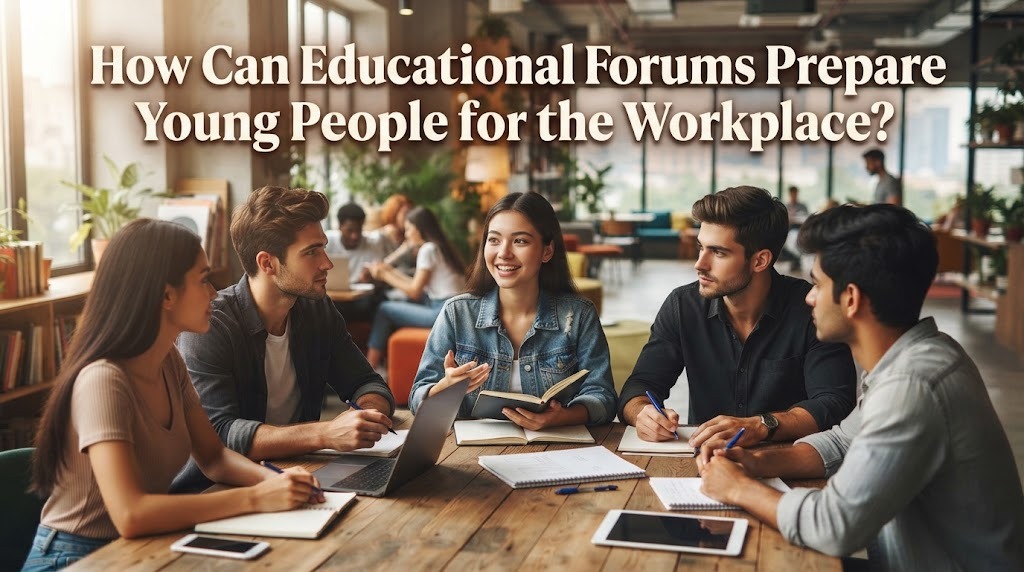
Educational forums can help young people understand the skills, attitudes, and knowledge needed in professional environments. Through discussions, workshops, presentations, and networking activities, participants can learn about workplace expectations. They can also practice communication, teamwork, problem-solving, and other useful abilities. These experiences allow young people to connect what they learn with real workplace situations. Therefore, an Educational Forum can become a useful part of workplace preparation.
INTRODUCING WORKPLACE EXPECTATIONS
Educational forums can provide information about how professional environments generally operate. Professionals may discuss responsibilities, communication, teamwork, time management, and workplace behavior. This information helps young people understand Workplace Expectations before they enter employment. They can also learn why reliability, responsibility, and adaptability are important. Understanding these expectations can make the transition from education to work more familiar.
Different workplaces may have different rules and cultures. Therefore, young people should view information from forums as general guidance rather than a universal standard. They can compare what they learn with information from employers, educational institutions, and other reliable sources. This can help them develop a broader understanding of professional environments.
DEVELOPING COMMUNICATION SKILLS
Communication is an important skill in almost every workplace. Educational forums provide opportunities for young people to practice speaking, listening, asking questions, and explaining ideas. These activities can strengthen Communication Skills and improve confidence when interacting with others. Participants can also learn how to communicate respectfully with people who have different opinions. These experiences can be useful during meetings, presentations, interviews, and teamwork.
Young people can improve communication by participating regularly. They can start with simple questions or short opinions before taking on more demanding speaking activities. Feedback from teachers, speakers, or peers can help them improve. Consistent practice can make professional communication feel more natural.
BUILDING TEAMWORK AND PROBLEM SOLVING
Many educational forums include group discussions, projects, and practical activities. These activities require participants to cooperate, divide responsibilities, and solve problems together. Through Teamwork Skills, young people can learn how to contribute to a shared goal. They can also experience how different ideas and abilities can support a group. These experiences can prepare them for collaborative workplace tasks.
Problem-solving activities can help participants think about challenges from different perspectives. They may need to identify a problem, collect relevant information, and consider possible solutions. This process can improve analytical thinking and decision-making. Such skills can be useful when facing unexpected situations in professional environments.
BUILDING PROFESSIONAL CONFIDENCE
Young people may feel nervous when interacting with professionals or speaking in formal settings. Educational forums provide a structured environment where they can practice these interactions. Asking questions, presenting ideas, and joining discussions can gradually improve Professional Confidence. Participants can learn from mistakes and use feedback to improve their performance. This process can make them more comfortable in future professional situations.
Confidence does not mean knowing everything or never making mistakes. It involves being willing to communicate, learn, and respond appropriately when challenges occur. Educational forums can help young people develop this mindset through repeated practice. This can support their readiness for interviews, internships, and workplace activities.
EXPANDING CAREER AND PROFESSIONAL NETWORKS
Educational forums can connect young people with educators, professionals, students, and other participants. These connections can provide useful information about careers, industries, and workplace skills. Building Professional Networks can also expose participants to different career experiences. Young people can maintain appropriate connections through professional communities and continued learning activities. These relationships can become useful sources of information as they develop their careers.
Networking should be based on genuine communication and mutual respect. Participants should focus on learning and building relationships rather than expecting immediate employment opportunities. Sharing relevant resources and maintaining professional communication can help strengthen connections. Over time, a healthy network can support continued career learning.
CONCLUSION
Educational forums can prepare young people for the workplace by introducing professional expectations, improving communication, developing teamwork and problem-solving skills, building confidence, and expanding professional networks. These experiences can complement academic learning with practical development. Young people can gain greater benefits by actively participating and applying what they learn. Consistent practice and continuous learning can help them become better prepared for future workplace environments.
Tentang Penulis
Gusti Ayu Tita P
Penulis — Universitas STEKOM
Penulis aktif yang berfokus pada isu-isu akademik, teknologi pendidikan, dan pengembangan sumber daya manusia di lingkungan kampus.