How Can Freelancers Avoid Online Job Scams?
Gusti Ayu Tita P
25 September 2026
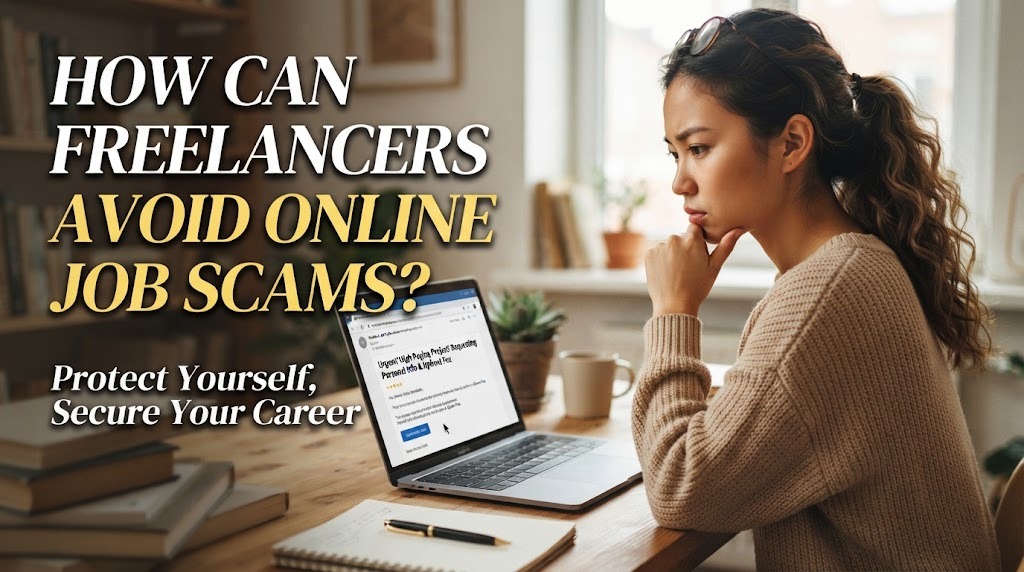
Freelancers often search for projects through websites, social media, and online platforms. However, some job offers may be fraudulent and can cause financial or personal losses. Fake clients may use attractive offers to obtain money, personal information, or unpaid work. Therefore, freelancers need to recognize common online job scams before accepting a project.
CHECK THE CLIENT PROFILE
Freelancers should examine a client's profile before accepting an online project. They can look at the account history, previous reviews, completed projects, and available information. A profile with very limited information may require additional caution. Freelancers should avoid making decisions based only on an attractive project description.
Checking the client's communication can also provide useful information. Unclear explanations, inconsistent details, or pressure to act immediately can be warning signs. Freelancers should take enough time to understand who they are dealing with.
BE CAREFUL WITH UNREALISTIC OFFERS
Scammers may advertise unusually high payments for simple tasks. An offer that promises large amounts of money with very little work should be examined carefully. Freelancers should compare the proposed payment with the type and amount of work involved. A high payment alone does not prove that an opportunity is legitimate.
Freelancers should also ask for clear project details before agreeing. The scope of work, deadline, payment, and responsibilities should be discussed clearly. Unrealistic promises should encourage freelancers to investigate further.
NEVER PAY TO GET A JOB
Legitimate freelance opportunities generally should not require workers to pay a fee simply to receive a project. Scammers may ask for registration fees, deposits, training payments, or other unexplained charges. Freelancers should be cautious when a potential client requests money before work begins. They should verify the reason for any required payment.
If a client insists that payment is necessary to unlock a project, freelancers should investigate the offer carefully. They can also use the reporting or support system of the platform involved. Avoiding unnecessary payments can reduce the risk of financial loss.
PROTECT PERSONAL INFORMATION
Freelancers should avoid sharing sensitive personal information with unknown clients. Information such as passwords, security codes, or unnecessary financial details should not be provided. Scammers may attempt to use such information for fraudulent activities. Freelancers should only share information that is genuinely required for legitimate work.
They should also use strong passwords and enable additional account security when available. Important documents should be shared only through appropriate and trusted channels. Good online privacy practices can reduce unnecessary risks.
USE SECURE PAYMENT METHODS
Freelancers should use reliable payment systems when receiving money from clients. Established freelance platforms may provide payment processes designed to reduce certain transaction risks. Freelancers should be cautious if clients insist on unusual payment methods or ask them to move payments to unfamiliar services. Clear payment terms should be agreed upon before work begins.
Freelancers should keep records of invoices, agreements, and payment conversations. These records can be useful if a dispute occurs. Secure payment practices can provide greater financial protection during freelance projects.
REPORT SUSPICIOUS PROJECTS
Freelancers should report suspicious job offers when they believe a project may be fraudulent. Freelance platforms often provide reporting or support features for problematic accounts. Reporting suspicious activity can help platforms review potentially harmful users. Freelancers should also stop communication if the situation becomes clearly unsafe or deceptive.
Keeping evidence can make a report more useful. Freelancers can save relevant messages, project descriptions, payment requests, and account information. They should avoid continuing a suspicious transaction simply to complete the project.
CONCLUSION
Freelancers can avoid online job scams by checking client profiles, questioning unrealistic offers, and refusing suspicious payment requests. Protecting personal information and using secure payment methods are also important. When a project appears fraudulent, freelancers should keep relevant evidence and report it through the appropriate platform. Careful online safety practices can help freelancers find projects while reducing unnecessary risks.
Tentang Penulis
Gusti Ayu Tita P
Penulis — Universitas STEKOM
Penulis aktif yang berfokus pada isu-isu akademik, teknologi pendidikan, dan pengembangan sumber daya manusia di lingkungan kampus.