How Can Hobby Communities Build a Sense of Belonging?
Gusti Ayu Tita P
29 September 2026
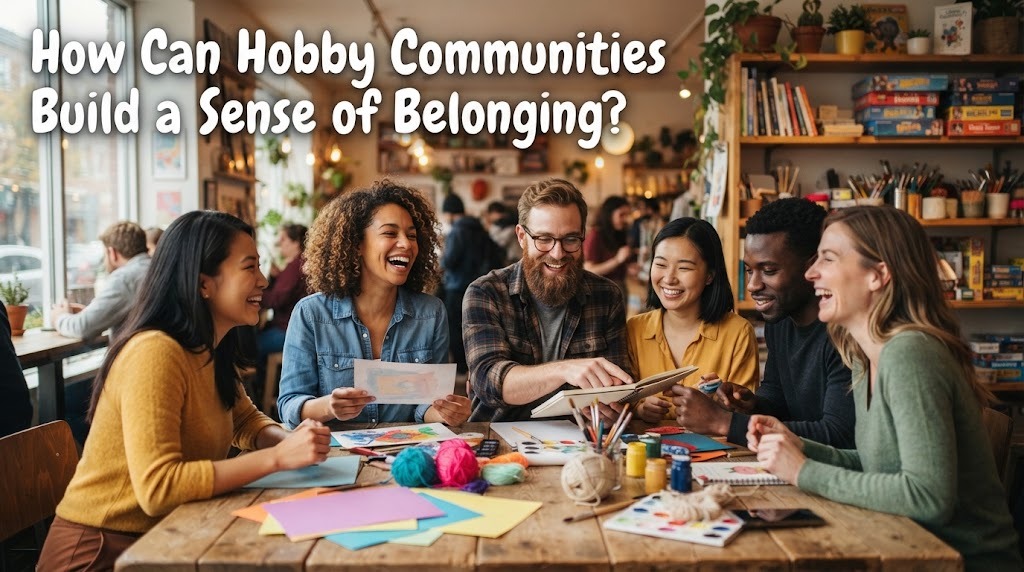
Hobby communities bring together people who share similar interests, goals, or activities. Whether the hobby involves reading, sports, photography, gaming, cooking, or creative activities, a community can help members feel connected to others. A strong sense of belonging develops when people feel accepted, valued, and comfortable being themselves. For this reason, hobby communities can become more than places to practice an activity. They can also create meaningful social connections and supportive relationships.
CREATING CONNECTIONS THROUGH SHARED INTERESTS
A shared hobby gives people an easy starting point for building relationships. Members can talk about their experiences, exchange ideas, and learn from one another without feeling pressured to find a topic of conversation. These interactions can gradually turn unfamiliar people into friends. Regular communication also helps members become more comfortable and confident within the group.
Hobby communities can be especially helpful for people who find it difficult to build social connections in other situations. Having a common interest reduces social barriers because members already have something meaningful to discuss. Over time, repeated interactions can create familiarity and trust. This process helps members feel that they are part of a group rather than simply participating in an activity.
MAKING MEMBERS FEEL WELCOME
A welcoming environment is an important part of building belonging. Communities can create this environment by introducing new members, answering their questions, and encouraging them to participate at their own pace. Simple actions such as remembering someone's name or asking about their interests can make a new member feel noticed. Members are more likely to stay involved when they believe their presence is appreciated.
Community leaders also have an important role in establishing respectful communication. They can encourage members to listen to different opinions and avoid behavior that makes others feel excluded. Clear community rules can help create a safer and more comfortable environment. When people know that they will be treated with respect, they are more willing to communicate openly.
ENCOURAGING ACTIVE PARTICIPATION
Belonging becomes stronger when members have opportunities to contribute to the community. They can participate in discussions, organize activities, share knowledge, or help other members. Active participation allows people to see that their contributions have value. It also gives members a stronger connection to the community's shared goals.
Communities can provide different levels of participation so that both beginners and experienced members can become involved. For example, a new member might start by joining a discussion before eventually helping organize an event. This gradual involvement can build confidence and encourage long term participation. When members have meaningful roles, they are more likely to feel that they are an important part of the group.
BUILDING SUPPORTIVE RELATIONSHIPS
Hobby communities can provide emotional and practical support through shared experiences. Members may encourage each other when learning a difficult skill or facing challenges related to their hobby. For example, a photography group can provide feedback to beginners, while a running community can motivate members to maintain their training. These supportive interactions can strengthen relationships beyond the hobby itself.
Support does not always have to involve solving a major problem. Listening, giving encouragement, and celebrating another member's progress can also create meaningful connections. When members regularly support one another, trust can develop naturally. This makes the community feel more like a supportive social environment rather than simply a place to share an interest.
CELEBRATING SHARED EXPERIENCES
Shared experiences can strengthen the identity of a hobby community. Events, competitions, workshops, group projects, and informal gatherings give members opportunities to create memories together. These experiences can make relationships stronger because members have stories and achievements that they can remember collectively. Celebrating milestones can also make individuals feel recognized by the group.
Communities can celebrate both individual and collective achievements. A member completing their first project, learning a new skill, or reaching a personal goal can be acknowledged by others. These small moments of recognition can increase motivation and strengthen social bonds. Over time, repeated shared experiences can create a stronger sense of community identity.
SUPPORTING INCLUSION AND DIVERSITY
A strong sense of belonging requires members to feel that they can participate regardless of their background or skill level. Hobby communities can support inclusion by welcoming beginners and avoiding unnecessary barriers to participation. Experienced members can help newcomers learn without making them feel embarrassed about their lack of knowledge. This approach allows people with different experiences to participate together.
It is also important to recognize that members may have different preferences and ways of participating. Some people may enjoy active discussions, while others may prefer observing before contributing. Providing different activities and communication methods can help more people feel comfortable. An inclusive community gives members space to participate while respecting individual differences.
USING ONLINE AND OFFLINE INTERACTIONS
Technology allows hobby communities to maintain connections even when members cannot meet in person. Online groups can be used to share information, discuss projects, organize events, and provide feedback. Social media platforms and messaging groups can also help members communicate regularly. However, online interaction works best when it encourages respectful and meaningful communication.
Offline activities can complement digital interaction by giving members opportunities to develop stronger personal relationships. Meetings, workshops, group outings, and community events can turn online connections into real social experiences. Combining online and offline activities can make participation more flexible. Members can therefore remain connected while choosing the form of interaction that works best for them.
CONCLUSION
Hobby communities can build a strong sense of belonging by creating meaningful connections, welcoming new members, encouraging participation, and providing support. Shared interests give people a natural foundation for developing friendships and learning from one another. Inclusive communication and shared experiences can make members feel valued and accepted. When a community consistently provides respect, support, and opportunities to contribute, it can become an important social space where people feel connected and included.
Tentang Penulis
Gusti Ayu Tita P
Penulis — Universitas STEKOM
Penulis aktif yang berfokus pada isu-isu akademik, teknologi pendidikan, dan pengembangan sumber daya manusia di lingkungan kampus.