
How Can HR Managers Help Employees Develop Their Potential?
Gusti Ayu Tita P
23 September 2026
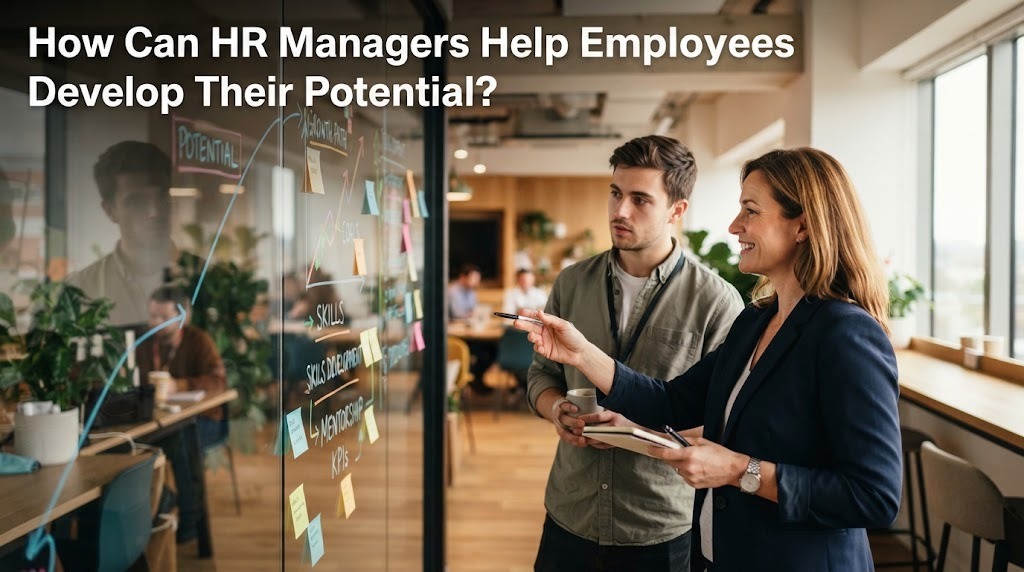
HR managers have an important role in helping employees develop their skills, confidence, and career potential. Employees may have different abilities, interests, goals, and learning styles, so development programs should not use exactly the same approach for everyone. HR managers can support employees by creating opportunities to learn, providing useful feedback, and helping them understand possible career paths. When employees receive proper support, they can contribute more effectively to the organization.
Employee development is not only about sending workers to training programs. It also involves identifying strengths, addressing skill gaps, providing meaningful work experiences, and creating an environment where employees feel encouraged to improve. HR managers can work with supervisors and employees to create development plans that are realistic and connected to both individual goals and organizational needs.
IDENTIFY EMPLOYEE STRENGTHS AND SKILLS
The first step in developing employee potential is understanding what each employee can do well. HR managers can use performance reviews, skills assessments, feedback, and discussions with supervisors to identify individual strengths. These assessments can reveal technical abilities, communication skills, leadership potential, problem solving skills, and other valuable competencies. Understanding these strengths allows HR managers to provide more suitable development opportunities.
HR managers should also identify areas where employees need improvement. A skill gap does not necessarily mean an employee is performing poorly because it may simply show an opportunity for development. By comparing current abilities with the skills required for future roles, HR teams can create more focused development plans. This approach helps employees understand what they need to improve and why it matters.
PROVIDE TRAINING AND LEARNING OPPORTUNITIES
Training is one of the most common ways HR managers help employees develop their potential. Training programs can cover technical skills, communication, leadership, teamwork, digital tools, customer service, or industry knowledge. HR managers should select training based on actual employee needs rather than offering programs without a clear purpose. Relevant training can help employees become more confident and capable in their roles.
Learning opportunities can also take different forms. Employees may benefit from workshops, online courses, mentoring, job rotations, professional certifications, or internal learning sessions. Giving employees access to different learning methods allows them to develop skills through experiences that match their roles and goals. HR managers can also evaluate whether training produces practical improvements in employee performance.
CREATE INDIVIDUAL DEVELOPMENT PLANS
An individual development plan can help employees establish clear goals for professional growth. HR managers can work with employees and their supervisors to identify skills they want to develop and responsibilities they may want to take on in the future. Goals should be specific and realistic so employees can monitor their progress. A clear plan also helps connect personal development with organizational needs.
Development plans should not remain unchanged for long periods. Employee goals, business priorities, and job requirements can change over time. HR managers can review development plans regularly and adjust them when necessary. Regular discussions also give employees an opportunity to share challenges and request additional support.
PROVIDE REGULAR FEEDBACK
Constructive feedback helps employees understand what they are doing well and where they can improve. HR managers can encourage supervisors to provide feedback regularly instead of relying only on annual performance reviews. Timely feedback allows employees to correct mistakes and strengthen good practices sooner. It can also help employees become more aware of their progress.
Effective feedback should be specific and focused on behavior or results rather than personal criticism. Managers can explain what happened, why it matters, and what could be done differently. Employees should also have an opportunity to respond and discuss their perspective. This creates a two way communication process that supports continuous development.
SUPPORT MENTORING AND COACHING
Mentoring and coaching can provide employees with practical guidance that formal training may not offer. A mentor can share experience, knowledge, and advice about career development. Coaching can focus more specifically on improving performance or developing particular skills. HR managers can help create mentoring and coaching programs that connect employees with suitable experienced colleagues.
These programs can be especially useful for employees preparing for greater responsibilities. A developing employee may learn how to communicate with clients, manage projects, solve problems, or lead a team through practical guidance. HR managers should make sure these relationships have clear goals and reasonable expectations. Regular evaluation can help determine whether the mentoring or coaching relationship is producing useful results.
OFFER CAREER DEVELOPMENT OPPORTUNITIES
Employees are more likely to develop their potential when they can see opportunities for future growth. HR managers can provide information about career paths, internal vacancies, promotions, and the skills needed for different positions. This helps employees understand how their current development can support future career opportunities. Clear career information can also encourage employees to take greater responsibility for their professional growth.
Career development does not always mean moving into management. Some employees may prefer to become specialists in a particular field, while others may want broader responsibilities. HR managers should recognize different career interests and provide development opportunities that match them. A flexible career approach can help organizations retain employees while supporting their individual goals.
ENCOURAGE EMPLOYEES TO TAKE ON NEW RESPONSIBILITIES
Employees can develop significantly when they receive opportunities to use their skills in new situations. HR managers can work with supervisors to provide projects, job rotations, cross department assignments, or temporary leadership responsibilities. These experiences can help employees develop skills that may not be fully used in their current roles. They can also reveal abilities that are not obvious through routine work.
New responsibilities should be appropriate for the employee's current level of readiness. Giving someone a difficult assignment without enough support may create unnecessary pressure. Managers can provide guidance while allowing employees enough independence to solve problems and make decisions. This balance can build confidence and practical experience.
CREATE A SUPPORTIVE WORK ENVIRONMENT
A supportive workplace can make it easier for employees to learn and take healthy risks. Employees may be less willing to ask questions or try new approaches if they fear unfair criticism for making mistakes. HR managers can help create workplace policies and practices that encourage respectful communication and continuous learning. Psychological safety, fair treatment, and constructive feedback can contribute to an environment where employees feel comfortable developing their abilities.
Recognition is also important in a supportive work environment. HR managers can encourage organizations to recognize meaningful contributions and progress rather than focusing only on final results. Recognition can reinforce positive behaviors and show employees that development is valued. However, recognition should be fair and based on clear criteria.
MEASURE EMPLOYEE DEVELOPMENT
HR managers need to evaluate whether development efforts are producing useful results. They can monitor changes in skills, performance, productivity, employee engagement, internal mobility, and training outcomes. Surveys and feedback discussions can also provide information about how employees experience development programs. These measurements can help HR teams identify which programs are useful and which need improvement.
Development should be viewed as a long term process rather than a single training event. Some skills require repeated practice before employees can use them confidently. HR managers can combine performance data with employee feedback to understand progress more accurately. Regular evaluation helps organizations improve their development strategies over time.
CONCLUSION
HR managers can help employees develop their potential by identifying strengths, providing relevant training, creating individual development plans, offering regular feedback, supporting mentoring, and providing career opportunities. They can also encourage employees to take on new responsibilities and create a workplace that supports learning and growth. Effective development should consider both employee goals and organizational needs. With consistent support and evaluation, HR managers can help employees build valuable skills and prepare for future opportunities.
Tentang Penulis
Gusti Ayu Tita P
Penulis — Universitas STEKOM
Penulis aktif yang berfokus pada isu-isu akademik, teknologi pendidikan, dan pengembangan sumber daya manusia di lingkungan kampus.



