How Can Industry Partners Improve Student Career Readiness?
Gusti Ayu Tita P
29 September 2026
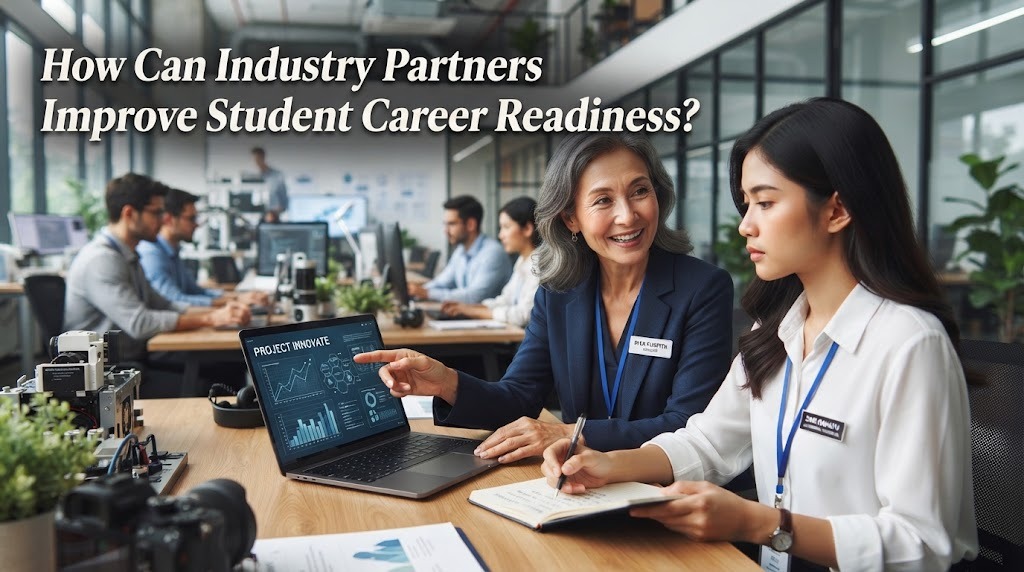
Industry partners play an important role in helping students prepare for the world of work. Universities provide academic knowledge, but students also need practical skills and experience to understand how professional environments operate. Through cooperation with companies and other organizations, students can gain opportunities to apply what they learn in real situations. This connection can also help universities understand the skills currently needed by employers. Strong industry partnerships therefore support a smoother transition from education to employment.
PROVIDING REAL WORLD WORK EXPERIENCE
Industry partners can improve student career readiness by providing opportunities to gain real work experience. Internships, work placements, company projects, and field assignments allow students to apply academic knowledge to practical situations. Students can learn how workplaces operate, how teams collaborate, and how professional tasks are completed. These experiences can also help students understand the expectations associated with different careers.
Real work experience gives students an opportunity to develop professional habits before graduation. They may learn how to manage deadlines, communicate with supervisors, solve problems, and take responsibility for assigned tasks. Students can also discover which types of work match their interests and abilities. As a result, practical experience can make the transition from university to employment more familiar.
DEVELOPING INDUSTRY RELEVANT SKILLS
Industry partners can help universities identify the technical and soft skills that employers currently need. These insights can be shared through discussions with lecturers, curriculum reviews, workshops, and professional events. Students can then receive learning opportunities that are more closely connected to workplace requirements. This approach helps reduce the gap between academic learning and professional expectations.
Technical skills may differ across industries, but communication, teamwork, problem solving, adaptability, and digital skills are widely useful. Industry professionals can demonstrate how these skills are applied in real workplace situations. Students can then practice them through projects, simulations, or collaborative assignments. Continuous cooperation can also help universities update learning activities as industry needs change.
OFFERING MENTORING AND CAREER GUIDANCE
Professional mentoring can give students a clearer understanding of career development. Industry professionals can share their experiences, explain workplace expectations, and provide advice about career preparation. Mentors can also help students understand the skills and qualifications commonly expected for particular roles. This guidance can be especially useful for students who have limited exposure to professional environments.
Mentoring can also support students in setting realistic career goals. Through regular discussions, students can identify areas they need to improve and create practical development plans. Industry mentors may also provide feedback on communication, professional behavior, portfolios, or project work. This process helps students become more aware of their strengths and areas for improvement.
CREATING INDUSTRY BASED PROJECTS
Industry based projects allow students to work on problems that are connected to actual business or organizational needs. Instead of learning concepts only through theory, students can use their knowledge to develop solutions for practical challenges. These projects can involve research, product development, data analysis, marketing, technology, or other professional tasks. Students can experience how different roles contribute to completing a project.
Working on realistic projects also encourages students to think critically and work collaboratively. They may need to analyze information, communicate with team members, manage time, and present their results to others. Feedback from industry professionals can make the learning process more relevant. The completed projects can also become part of a student's portfolio when applying for internships or jobs.
EXPANDING NETWORKING OPPORTUNITIES
Industry partnerships can provide students with opportunities to build professional networks before graduation. Universities can organize career fairs, guest lectures, company visits, networking sessions, and professional workshops with industry partners. These activities allow students to meet professionals and learn more about different career paths. Building connections early can help students become more familiar with professional communication.
Networking does not guarantee employment, but it can help students learn about industry opportunities and expectations. Students can practice introducing themselves, asking professional questions, and discussing their interests. They may also learn about internship programs, entry level positions, and skills that companies value. These experiences can make students more confident when entering the job market.
SUPPORTING INTERNSHIPS AND WORK PLACEMENTS
Internships are one of the most direct ways for industry partners to support career readiness. During an internship, students can observe professional workflows and participate in relevant tasks under supervision. They can develop technical abilities while also learning about workplace communication, ethics, teamwork, and responsibility. A well-structured internship should provide meaningful learning activities rather than simply assigning routine tasks.
Industry partners can strengthen internships by providing clear learning objectives and regular feedback. Supervisors can explain expectations at the beginning of the placement and evaluate student progress throughout the program. Universities can also communicate with companies to ensure that internship activities are aligned with students' academic programs. This cooperation can make work placements more useful for both students and employers.
CONNECTING CURRICULUM WITH EMPLOYER NEEDS
Industry feedback can help universities identify whether their curriculum reflects current professional requirements. Employers may highlight changes in technology, work processes, regulations, or customer expectations that affect specific occupations. Universities can use this information when reviewing courses and practical learning activities. Curriculum development should still consider academic foundations while responding appropriately to changes in the professional environment.
Regular communication between universities and industry partners can make this process more continuous. Advisory meetings, joint workshops, professional consultations, and curriculum discussions can provide useful insights. Students can benefit when their coursework includes relevant examples and practical applications. In this way, industry partnerships can contribute to a stronger connection between academic preparation and career development.
BUILDING STUDENT CAREER CONFIDENCE
Career readiness involves more than having technical knowledge. Students also need confidence to communicate their abilities, work with others, solve problems, and adapt to professional situations. Industry exposure can help students understand that professional skills develop through practice and feedback. Positive experiences in projects, internships, and mentoring can gradually increase their confidence.
Industry partners can also help students understand professional standards and expectations before graduation. When students know how workplaces operate, they may feel better prepared for interviews, internships, and their first full time job. Universities can reinforce this process through career services and employability programs. Together, these efforts can help students make a more informed transition from higher education to employment.
CONCLUSION
Industry partners can improve student career readiness by connecting academic learning with real workplace experiences. Internships, mentoring, industry based projects, networking, and curriculum collaboration can help students develop both technical and professional skills. Regular feedback from industry professionals can also help students understand their strengths and identify areas for improvement. Strong cooperation between universities and employers benefits students by providing clearer exposure to workplace expectations and career opportunities. With well planned partnerships, students can become better prepared to enter and adapt to the changing world of work.
Tentang Penulis
Gusti Ayu Tita P
Penulis — Universitas STEKOM
Penulis aktif yang berfokus pada isu-isu akademik, teknologi pendidikan, dan pengembangan sumber daya manusia di lingkungan kampus.