How Can Marine Tourism Support Coastal Communities?
Gusti Ayu Tita P
23 September 2026
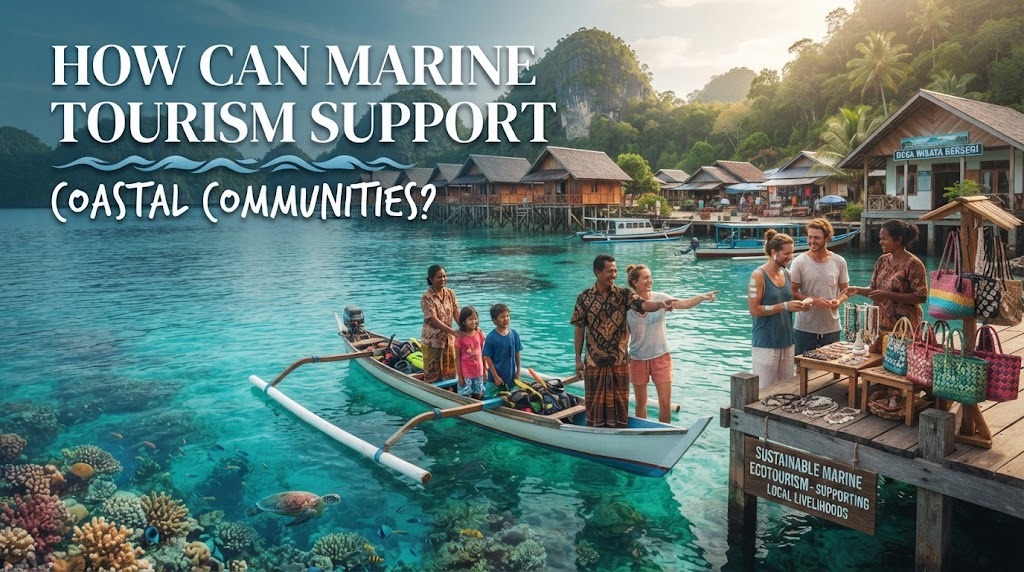
Marine tourism is not only about enjoying beaches, islands, and ocean activities. When managed responsibly, it can also provide economic and social benefits for coastal communities. Local residents can participate in tourism by providing accommodation, food, transportation, guiding services, and local products. This can create additional income while introducing visitors to the culture and natural resources of coastal areas.
CREATE LOCAL EMPLOYMENT
Marine tourism can create job opportunities for local residents. Hotels, restaurants, boat services, tour operators, and recreational facilities often need workers from nearby communities. People can work as guides, boat crew members, cooks, cleaners, drivers, or tourism staff. These jobs can provide income without requiring residents to leave their communities.
Tourism can also create indirect employment. Local farmers, fishermen, craftsmen, photographers, and food producers may supply goods or services to tourism businesses. When more visitors spend money locally, different parts of the community can benefit. Local employment can therefore become an important part of a coastal area's tourism economy.
SUPPORT LOCAL BUSINESSES
Visitors can contribute directly to coastal communities by spending money at locally owned businesses. They can eat at local restaurants, purchase traditional products, stay at community-based accommodations, and use local transportation services. This allows more tourism revenue to remain within the destination. Small businesses can then use their income to maintain and develop their services.
Local entrepreneurs can also create products based on regional culture and resources. Examples include handicrafts, traditional food, souvenirs, and locally organized marine tours. Tourism can provide a wider market for these products when they are promoted responsibly. Supporting local businesses helps connect tourism spending with community income.
DEVELOP COMMUNITY SKILLS
The growth of marine tourism can encourage residents to develop new skills and knowledge. Training may cover hospitality, tour guiding, customer service, language skills, digital marketing, financial management, and marine safety. These skills can improve the quality of tourism services and create new opportunities for local workers. Training can also help communities respond to changing visitor needs.
Community members can learn from each other and cooperate through local tourism groups. Young people may gain opportunities to work in tourism while learning about their own area's culture and environment. With proper training, local residents can become more involved in tourism planning and management. Skill development can provide benefits that continue beyond a single tourist season.
PROMOTE LOCAL CULTURE
Marine tourism can help introduce visitors to the culture and traditions of coastal communities. Local food, crafts, music, stories, and traditional activities can become meaningful parts of a tourism experience. When presented respectfully, these cultural elements can help visitors understand the identity of the destination. Tourism can also create demand for products and activities connected to local traditions.
However, cultural promotion should involve local residents and respect their values. Communities should have a role in deciding which traditions can be shared with visitors and how they are presented. This can reduce the risk of culture being presented inaccurately or without proper context. Community participation helps make cultural tourism more respectful and sustainable.
ENCOURAGE MARINE CONSERVATION
Healthy oceans are important for both tourism and coastal livelihoods. Marine tourism can encourage communities and visitors to understand the value of coral reefs, mangroves, beaches, and marine wildlife. Tourism businesses may support conservation programs, environmental education, or activities that help protect coastal ecosystems. A well-managed destination can benefit when natural attractions remain healthy.
Local residents can also participate in conservation through beach cleanups, habitat restoration, responsible wildlife activities, and monitoring programs. Tourism income may help support conservation when appropriate systems are established. At the same time, tourism should not damage the natural resources that communities depend on. Marine conservation is therefore closely connected to the long-term future of coastal tourism.
IMPROVE LOCAL INFRASTRUCTURE
Tourism development can encourage improvements in local infrastructure and public services. Depending on local planning and investment, destinations may develop better roads, transportation, sanitation, waste management, communication systems, and visitor facilities. These improvements can benefit tourists as well as residents. However, development should consider the needs and capacity of the local community.
Infrastructure projects should be planned carefully to avoid excessive environmental pressure or unequal benefits. Local residents can provide valuable information about community needs and environmental conditions. Transparent planning can help ensure that tourism development contributes to wider community benefits. Sustainable infrastructure can support both tourism activities and everyday life.
CONCLUSION
Marine tourism can support coastal communities in many ways when it is responsibly planned and managed. It can create employment, strengthen local businesses, develop community skills, promote local culture, and encourage marine conservation. Tourism development can also contribute to infrastructure improvements when local needs are included in planning. Most importantly, coastal residents should have meaningful opportunities to participate in and benefit from tourism. A balanced approach can help protect natural resources while creating long-term benefits for coastal communities.
Tentang Penulis
Gusti Ayu Tita P
Penulis — Universitas STEKOM
Penulis aktif yang berfokus pada isu-isu akademik, teknologi pendidikan, dan pengembangan sumber daya manusia di lingkungan kampus.