How Can Multiple Personality Affect Social Relationships?
Gusti Ayu Tita P
24 September 2026
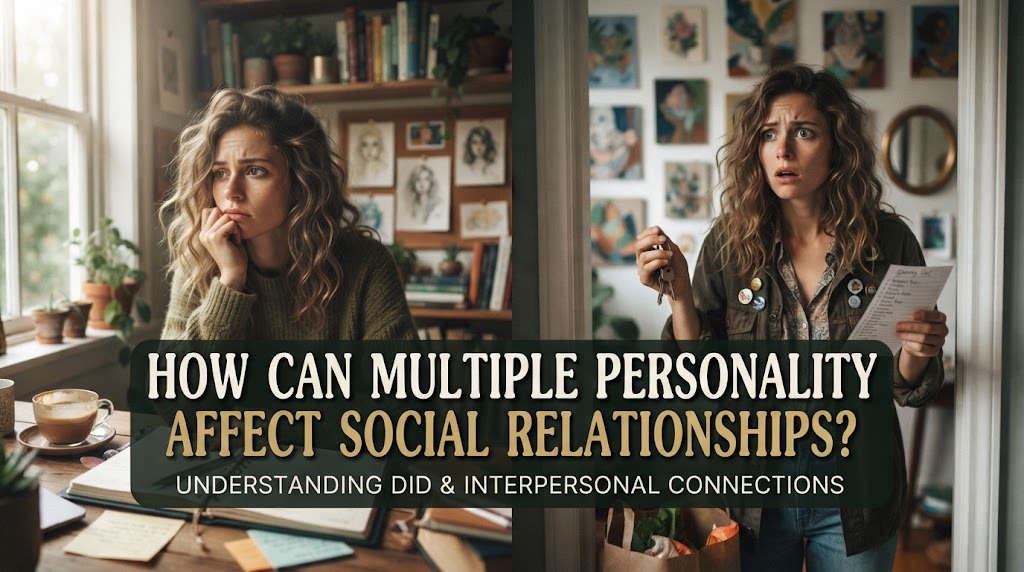
Multiple personality, medically known as Dissociative Identity Disorder or DID, can affect different parts of a person's social life. DID involves disruptions in identity, memory, awareness, and experiences of dissociation. These symptoms may sometimes make communication and relationships more difficult. However, the impact is different for every person and depends on their symptoms and circumstances. With understanding and appropriate support, people with DID can build and maintain meaningful relationships.
HOW CAN DID AFFECT COMMUNICATION?
Communication can sometimes become challenging when a person experiences dissociation or memory gaps. They may not remember a previous conversation or may have difficulty explaining why their behavior changed. This can create confusion for both the person with DID and the people around them. Misunderstandings may become more likely when others do not understand how dissociation can affect memory and awareness.
Clear and patient communication can help reduce these difficulties. Listening without judgment gives the person an opportunity to explain their experiences in a comfortable environment. Friends and family members can ask respectful questions instead of making assumptions about unusual behavior. Good communication can gradually help create greater trust and understanding.
CAN MEMORY GAPS AFFECT RELATIONSHIPS?
Memory gaps can have a significant effect on social relationships for some people with DID. A person may forget conversations, plans, promises, or experiences that another person remembers clearly. This can sometimes make friends or family members think that the person is ignoring them or does not care about the relationship. In reality, the memory difficulty may be related to dissociation rather than a lack of concern.
Practical strategies may help reduce some of these misunderstandings. Written notes, shared calendars, phone reminders, and clear communication can help people keep track of important information. These tools can support communication without taking away the person's independence. The most useful approach depends on what the individual feels comfortable using.
HOW CAN IDENTITY CHANGES INFLUENCE SOCIAL INTERACTIONS?
DID may involve distinct identity states, and these experiences can sometimes influence how a person interacts with others. Different identity states may have different emotions, preferences, behaviors, or ways of responding to situations. The changes may be noticeable or quite subtle. Not every person with DID experiences identity states in the same way.
These differences can sometimes confuse people who are unfamiliar with DID. Respect and patience are important when responding to changes in behavior or communication style. Friends and family should avoid treating identity states as entertainment or deliberately trying to trigger a particular response. A supportive approach focuses on the person's overall wellbeing rather than judging individual identity experiences.
CAN DID MAKE TRUST MORE DIFFICULT?
Trust can become complicated when memory disruptions and misunderstandings occur repeatedly. A person may worry that others will not believe their experiences or may feel embarrassed about symptoms. Meanwhile, friends or family members may become confused when conversations or events are remembered differently. These situations can create emotional tension if they are not handled carefully.
Building trust usually requires consistent communication and mutual respect. People close to someone with DID can show support by listening and avoiding accusations. The person with DID can also communicate their needs and boundaries when they feel comfortable doing so. Over time, understanding and predictable interactions may help create a stronger sense of security.
HOW CAN DID AFFECT FRIENDSHIPS?
Friendships may be affected when symptoms interfere with social activities, communication, or memory. A person may forget plans, miss messages, or become withdrawn during periods of emotional distress or dissociation. Friends may not immediately understand why this happens. Without proper communication, these experiences can sometimes lead to distance or misunderstandings.
Supportive friendships can still be possible with patience and realistic expectations. Friends can offer practical help without taking control of the person's life. It may also be useful to agree on simple ways to communicate when symptoms become difficult. Healthy friendships should include respect for both people's needs and boundaries.
HOW CAN DID AFFECT FAMILY RELATIONSHIPS?
Family relationships can sometimes become difficult when relatives do not understand dissociation or identity disruption. Memory gaps may cause disagreements about events that happened in the past or recently. Family members may also feel worried when they notice changes in behavior that they do not understand. These situations can create stress for everyone involved.
Education about DID can help families develop greater understanding and empathy. Family members can learn how to communicate calmly and avoid blaming the person for symptoms they cannot fully control. Professional guidance may also help families understand appropriate ways to provide support. However, every family situation is different, and boundaries should always be respected.
CAN DID AFFECT ROMANTIC RELATIONSHIPS?
DID can also influence romantic relationships because close relationships often involve communication, trust, emotional intimacy, and shared responsibilities. Memory gaps may sometimes make it difficult to remember conversations or relationship events. Dissociation may also make emotional connection or communication harder during stressful periods. These challenges do not mean that a person with DID cannot have a healthy romantic relationship.
Honest communication and clear boundaries can help partners understand each other's needs. Partners should avoid pressuring someone to discuss traumatic experiences or demanding control over identity states. Professional support may be useful when symptoms create serious relationship difficulties. A healthy relationship should be based on respect, safety, consent, and mutual understanding.
HOW CAN SOCIAL STIGMA AFFECT RELATIONSHIPS?
Negative stereotypes about multiple personality can make social relationships more difficult. Some people incorrectly believe that individuals with DID are dangerous, dishonest, or unpredictable. Such assumptions can cause discrimination and make individuals feel isolated. These stereotypes are often influenced by inaccurate media portrayals rather than an understanding of the actual condition.
Reducing stigma starts with accurate information and respectful language. People should avoid making assumptions about someone's behavior based only on a mental health diagnosis. Learning about DID from reliable sources can encourage more realistic expectations. A supportive social environment can help individuals feel more comfortable seeking help and maintaining relationships.
HOW CAN YOU SUPPORT SOMEONE WITH DID?
Supporting someone with DID begins with patience, respect, and understanding. Listen when they want to talk and avoid forcing them to explain experiences they are not ready to discuss. It is also helpful to respect their privacy and personal boundaries. Support should focus on what the person needs rather than trying to control their symptoms.
Encouraging professional support can also be helpful when symptoms interfere with daily life or relationships. Psychotherapy can help individuals develop coping skills and improve daily functioning. Friends and family can provide emotional support while recognizing that they are not responsible for treating the condition. Maintaining healthy boundaries can benefit both the person with DID and their supporters.
CONCLUSION
Multiple personality or Dissociative Identity Disorder can affect social relationships through memory gaps, dissociation, identity-related experiences, and emotional difficulties. These symptoms may influence communication, friendships, family relationships, and romantic partnerships. However, the impact varies greatly between individuals, and DID does not prevent someone from forming meaningful connections.
Patience, respectful communication, healthy boundaries, and professional support can help reduce relationship difficulties. Understanding the condition accurately is important because assumptions and stigma can create additional barriers. With appropriate support, people with DID can work toward stable and meaningful social relationships while maintaining their dignity and independence.
Tentang Penulis
Gusti Ayu Tita P
Penulis — Universitas STEKOM
Penulis aktif yang berfokus pada isu-isu akademik, teknologi pendidikan, dan pengembangan sumber daya manusia di lingkungan kampus.