How Can Seasonal Workers Manage Their Time Effectively?
Gusti Ayu Tita P
25 September 2026
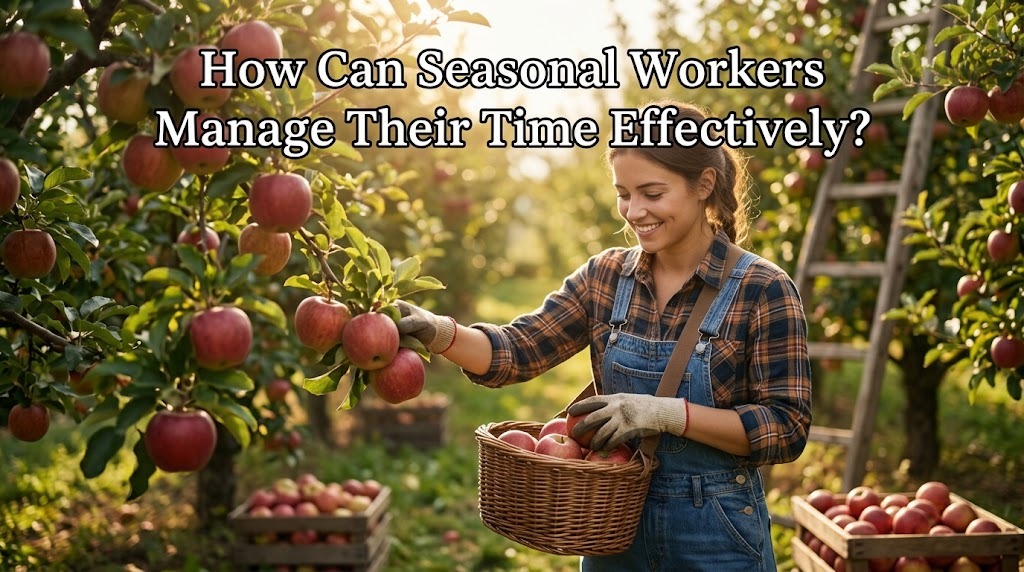
Seasonal workers often have to complete different tasks within a limited employment period. Because their jobs may become busy during peak seasons, time management is important for maintaining productivity and avoiding unnecessary stress. Good time management helps workers understand which tasks should be completed first and how much time should be spent on each responsibility. By managing their schedules properly, seasonal workers can perform their duties more consistently.
CREATE A CLEAR WORK SCHEDULE
Creating a clear schedule is one of the easiest ways to manage time effectively. Seasonal workers should understand their working hours, assigned tasks, breaks, and important deadlines before starting their shifts. A simple schedule can help workers remember their responsibilities and avoid overlooking important tasks. It can also make it easier to prepare for busy periods.
Workers can use a notebook, calendar, or digital application to organize their activities. Tasks that have strict deadlines should be identified early so they can receive enough attention. A clear schedule can make daily work more organized and reduce confusion during busy shifts.
PRIORITIZE IMPORTANT TASKS
Not every task has the same level of urgency or importance. Seasonal workers should identify priority tasks that directly affect customers, business operations, or deadlines. Completing important responsibilities first can prevent delays and help the team maintain smooth operations. Less urgent tasks can be completed after the most important responsibilities are under control.
Workers should also follow instructions from supervisors when priorities change. In busy workplaces, unexpected tasks may appear and require immediate attention. Being flexible while maintaining priorities can help workers respond to changing situations without losing control of their schedule.
AVOID UNNECESSARY DISTRACTIONS
Distractions can reduce productivity and make simple tasks take longer to complete. Seasonal workers should focus on their responsibilities instead of spending excessive time on personal activities during working hours. Keeping unnecessary phone use and unrelated conversations under control can help employees finish their work more efficiently. Staying focused is especially important during busy periods.
A focused worker can usually complete tasks with fewer mistakes. This is important because errors may require additional time to correct and can affect other members of the team. Maintaining concentration can therefore improve both individual performance and overall workplace efficiency.
TAKE BREAKS PROPERLY
Effective time management does not mean working continuously without rest. Proper breaks can help workers maintain concentration and energy throughout their shifts. Employees should use their scheduled breaks appropriately and return to work on time. Following workplace rules for breaks also demonstrates professionalism and responsibility.
Workers should pay attention to signs of tiredness, especially when performing repetitive or physically demanding tasks. A short and appropriate break can help employees return to their responsibilities with better focus. However, workers should always follow the break policies established by their employer.
REVIEW DAILY PERFORMANCE
At the end of a shift, seasonal workers can take a few minutes to review their daily performance. They can consider which tasks were completed, which activities took too much time, and what could be improved during the next shift. This simple habit can help workers identify inefficient routines. It can also make future workdays more organized.
Workers can ask supervisors for feedback when they are unsure about their performance or priorities. Constructive feedback can help them understand workplace expectations and improve their methods. Over time, regular evaluation can help seasonal workers become more efficient and confident in completing their responsibilities.
CONCLUSION
Seasonal workers can manage their time effectively by creating a clear schedule, prioritizing important tasks, avoiding unnecessary distractions, taking proper breaks, and reviewing their daily performance. Good time management helps employees complete responsibilities efficiently while maintaining consistent work quality. Workers should also remain flexible because tasks and priorities can change during busy periods. By developing organized work habits, seasonal employees can become more productive and reliable. These skills can also remain useful in future jobs and professional environments.
Tentang Penulis
Gusti Ayu Tita P
Penulis — Universitas STEKOM
Penulis aktif yang berfokus pada isu-isu akademik, teknologi pendidikan, dan pengembangan sumber daya manusia di lingkungan kampus.