How Can Senior Employees Maintain Good Relationships with Younger Colleagues?
Gusti Ayu Tita P
25 September 2026
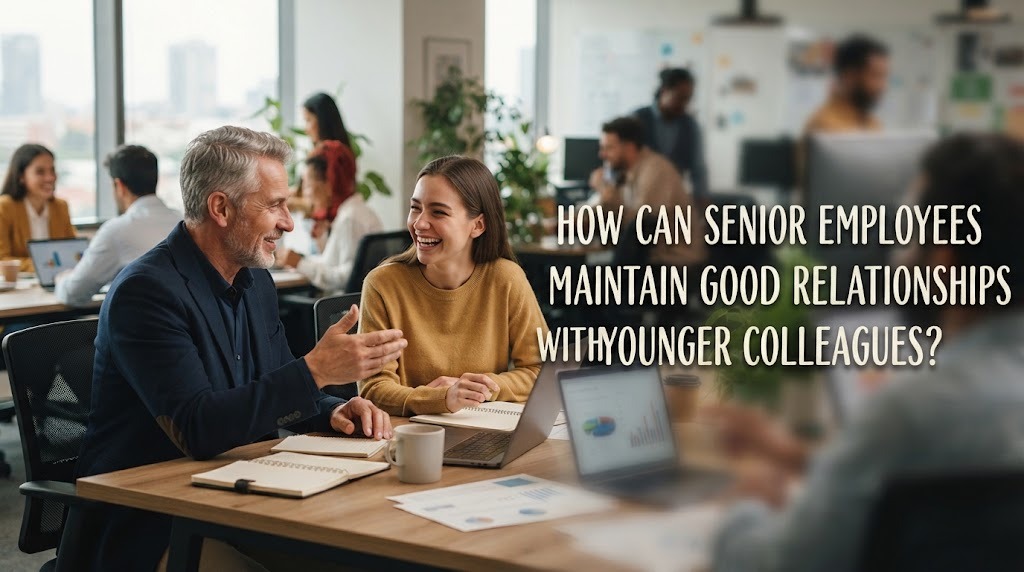
Building good relationships between senior employees and younger colleagues is important for creating a comfortable and productive workplace. Different generations may have different communication styles, work habits, and perspectives. These differences can sometimes create misunderstandings, but they can also become opportunities for learning. With mutual respect, open communication, and teamwork, employees from different generations can build strong professional relationships.
BUILD OPEN AND RESPECTFUL COMMUNICATION
Good communication is one of the most important ways senior employees can maintain positive relationships with younger colleagues. Senior employees should communicate their expectations clearly while giving younger workers opportunities to express their opinions. Active listening is especially important because younger colleagues may have ideas or concerns that experienced employees have not considered. Respectful communication can prevent small misunderstandings from becoming larger workplace conflicts.
Senior employees should also avoid assuming that their experience automatically makes their opinions more correct. Professional experience is valuable, but workplace situations and technologies continue to change. By creating two-way communication, senior and younger employees can exchange knowledge and understand different perspectives. This can make teamwork more comfortable and productive.
RESPECT DIFFERENT WORKING STYLES
Different generations may have different approaches to completing tasks. Younger employees may prefer digital tools, flexible schedules, or faster communication, while senior workers may be more comfortable with established procedures. These differences do not necessarily mean that one approach is better than another. Respecting different working styles can help employees cooperate without unnecessary tension.
Senior employees can remain open to new methods while also explaining the benefits of practices that have worked well in the past. The goal should be to find methods that support the team's objectives rather than forcing everyone to work in exactly the same way. Flexibility and mutual understanding can make collaboration easier. When employees respect different approaches, workplace relationships can become stronger.
SHARE EXPERIENCE WITHOUT BEING OVERLY CONTROLLING
Senior employees have valuable knowledge that can help younger colleagues avoid common mistakes. Sharing this experience can be an effective form of workplace mentoring. However, guidance becomes less effective when it turns into excessive control. Younger employees also need opportunities to make decisions, experiment, and develop their own professional skills.
Instead of immediately telling younger colleagues what they must do, senior employees can explain their experiences and allow them to consider different solutions. This approach encourages independent thinking while still providing useful support. It also shows younger workers that their abilities and opinions are respected. A balanced mentoring relationship can benefit both generations.
BE OPEN TO NEW IDEAS AND TECHNOLOGY
Technology is changing many aspects of modern work, and younger employees may have experience with tools that senior employees have not used before. Senior employees can strengthen workplace relationships by being willing to learn from younger colleagues. Asking for help with digital tools and modern technology does not reduce professional credibility. Instead, it can demonstrate confidence and a willingness to keep learning.
At the same time, senior employees can provide context based on their professional experience. For example, they may help younger workers understand how a new idea could affect customers, business processes, or workplace operations. Knowledge exchange between generations creates opportunities for both sides to learn. This can build mutual respect and reduce unnecessary generational barriers.
GIVE CONSTRUCTIVE FEEDBACK
Feedback plays an important role in maintaining healthy professional relationships. Senior employees may sometimes have more experience evaluating work, but feedback should still be delivered respectfully. Instead of focusing only on mistakes, they can explain what needs improvement and suggest practical ways to develop. Constructive feedback helps younger colleagues understand expectations without making them feel personally attacked.
Senior employees should also be willing to receive feedback from younger workers. A younger colleague may notice a communication problem, technological opportunity, or process improvement that an experienced employee has overlooked. Two-way feedback creates a culture where employees can learn from one another. This can strengthen trust and improve cooperation within the team.
AVOID GENERATIONAL STEREOTYPES
Generational stereotypes can damage workplace relationships because they encourage employees to make assumptions about one another. Senior employees should avoid assuming that younger workers are irresponsible, impatient, or unwilling to work hard. Similarly, younger colleagues should not automatically assume that senior employees are resistant to change or unfamiliar with technology. Individual abilities and attitudes differ from person to person, regardless of age.
A better approach is to evaluate colleagues based on their work, communication, and behavior. Senior employees can focus on building relationships with younger colleagues as individuals rather than defining them by their generation. Respect and fairness can create a workplace where different generations feel valued. This makes collaboration more natural and reduces unnecessary conflict.
BUILD TEAMWORK AND TRUST
Strong professional relationships grow when employees trust one another and work toward shared goals. Senior employees can build workplace trust by being reliable, fair, supportive, and consistent in their interactions. They can involve younger colleagues in projects and give them meaningful responsibilities. This demonstrates confidence in their abilities and encourages them to contribute more actively.
Team activities, collaborative projects, and knowledge-sharing sessions can also strengthen relationships. Senior employees can use these opportunities to learn about the perspectives and working preferences of younger colleagues. At the same time, younger employees can better understand the experience and responsibilities of senior workers. Strong teamwork and mutual trust can help create a more positive workplace for everyone.
CONCLUSION
Senior employees can maintain good relationships with younger colleagues by practicing open communication, mutual respect, flexibility, constructive feedback, and effective teamwork. They can share professional experience without controlling younger workers and remain open to new ideas and technologies. Avoiding generational stereotypes is also important because every employee has different abilities, personalities, and working preferences.
A strong relationship between generations is built through continuous communication and mutual learning. Senior employees can provide experience and professional guidance, while younger colleagues can contribute fresh ideas and modern skills. When both sides respect each other's contributions, the workplace can become more collaborative, supportive, and productive.
Tentang Penulis
Gusti Ayu Tita P
Penulis — Universitas STEKOM
Penulis aktif yang berfokus pada isu-isu akademik, teknologi pendidikan, dan pengembangan sumber daya manusia di lingkungan kampus.