How Can Senior Employees Work Effectively with Gen Z Colleagues?
Gusti Ayu Tita P
26 September 2026
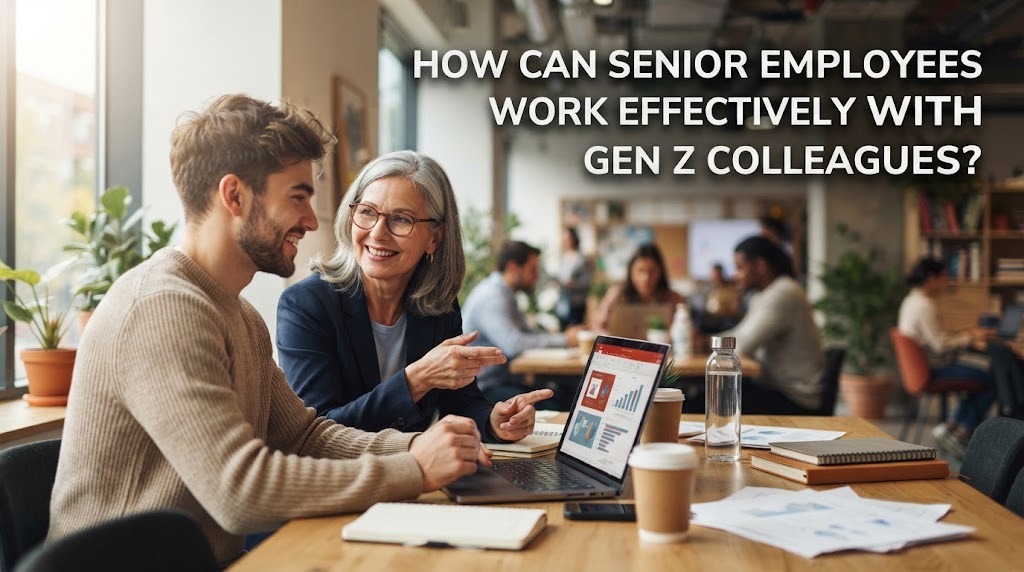
Modern workplaces often bring together employees from different generations. Senior employees and Gen Z colleagues may have different experiences, communication habits, and approaches to work, but these differences can become strengths when managed properly. Senior employees usually bring professional experience, practical knowledge, and workplace wisdom, while Gen Z employees can contribute fresh ideas, digital skills, and new perspectives.
Working effectively across generations requires mutual respect, clear communication, flexibility, and willingness to learn. Senior employees do not need to completely change their working style, but they can adjust certain habits to create better cooperation with younger colleagues. When both generations understand each other's strengths, they can build a more productive and supportive workplace.
BUILD MUTUAL RESPECT
The first step toward effective cooperation is building mutual respect. Senior employees should recognize that Gen Z colleagues may have different opinions, communication styles, and expectations about work. At the same time, Gen Z employees should appreciate the experience and knowledge that senior colleagues have gained throughout their careers. Respect allows both sides to communicate without immediately judging differences.
Senior employees can demonstrate respect by listening carefully to younger colleagues and considering their suggestions. They can also share their experience without making younger workers feel that their ideas are unimportant. Respectful workplace communication creates an environment where employees feel comfortable expressing opinions and asking questions.
USE CLEAR AND OPEN COMMUNICATION
Good communication is essential when employees from different generations work together. Senior employees can help by giving clear instructions, realistic expectations, and constructive feedback. Instead of assuming that younger colleagues understand every workplace procedure, they can explain important details and provide opportunities for questions.
Communication should also work in both directions. Gen Z employees may be more comfortable using digital communication tools, while senior employees may prefer direct conversations or traditional workplace methods. Finding a communication approach that works for everyone can reduce misunderstandings and improve intergenerational teamwork.
SHARE EXPERIENCE WITHOUT BEING OVERLY CONTROLLING
Senior employees have valuable professional experience that can benefit Gen Z colleagues. They can share lessons from previous projects, explain common workplace challenges, and provide practical advice when younger employees face unfamiliar situations. This makes knowledge sharing an important part of collaboration between generations.
However, sharing experience should not mean controlling every decision made by younger colleagues. Senior employees can explain why a particular approach worked in the past while allowing Gen Z employees to explore alternative solutions. This balance gives younger workers opportunities to develop independent problem solving skills while still benefiting from professional guidance.
LEARN FROM GEN Z COLLEAGUES
Effective collaboration should not be one-sided. Senior employees can also learn from Gen Z colleagues, particularly in areas such as digital technology, social media, online communication, and emerging workplace tools. Younger employees may have different experiences with technology and can introduce efficient ways to complete certain tasks.
Being willing to learn from younger colleagues can strengthen professional relationships. Senior employees do not lose their authority or experience by accepting new ideas. Instead, continuous learning allows employees to remain adaptable as technology and workplace practices continue to change.
UNDERSTAND DIFFERENT WORK STYLES
Generational differences can sometimes appear in working habits. Gen Z employees may place greater importance on flexibility, regular feedback, digital collaboration, and opportunities for professional development. Senior employees may have developed different habits based on the workplace conditions they experienced earlier in their careers.
These differences do not automatically mean that one approach is better than another. Teams can discuss expectations openly and establish clear workplace standards that apply to everyone. When employees understand each other's working preferences while following shared responsibilities, collaboration can become more productive and less stressful.
PROVIDE CONSTRUCTIVE FEEDBACK
Feedback can help Gen Z employees understand how they are performing and where they can improve. Senior employees can provide constructive feedback by focusing on specific behaviors, results, and possible improvements rather than making personal judgments. Feedback should explain what needs to change and, when possible, offer practical suggestions.
It is also useful to recognize positive contributions. Young employees who receive balanced feedback may become more confident and motivated to develop their skills. Senior employees can create a healthier working relationship by making feedback a normal part of professional development rather than something that only happens when mistakes occur.
CONCLUSION
Senior employees can work effectively with Gen Z colleagues by developing mutual respect, clear communication, knowledge sharing, flexibility, and continuous learning. Their professional experience can provide valuable guidance, while Gen Z colleagues can contribute fresh perspectives and digital knowledge.
The most effective intergenerational workplace is not one where every employee works in exactly the same way. Instead, it is a workplace where differences are understood and managed through cooperation and open communication. When senior employees and Gen Z colleagues learn from each other, they can build stronger teams and create a more adaptable workplace.
Tentang Penulis
Gusti Ayu Tita P
Penulis — Universitas STEKOM
Penulis aktif yang berfokus pada isu-isu akademik, teknologi pendidikan, dan pengembangan sumber daya manusia di lingkungan kampus.