How Can Student Demonstrations Become a Way to Learn Leadership?
Gusti Ayu Tita P
28 September 2026
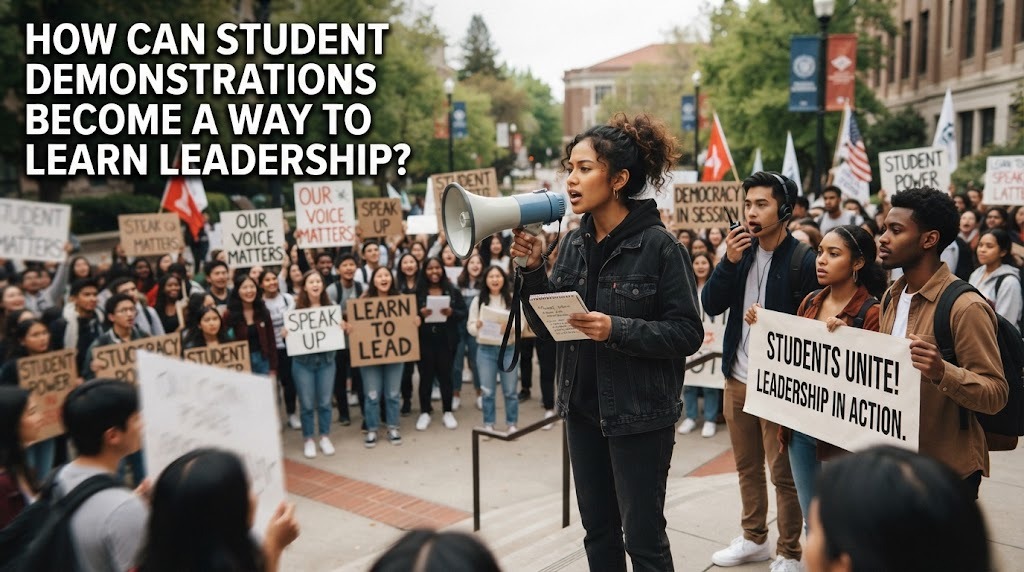
Student demonstrations can provide practical experiences that help students develop leadership skills. Participating in an organized activity may require communication, teamwork, responsibility, and decision-making. Students can learn how to work with others while focusing on a shared objective. These experiences can complement leadership lessons gained through classrooms and student organizations. However, participation should always remain peaceful, responsible, and respectful of others.
DEVELOPING TEAMWORK SKILLS
Leadership often requires the ability to work effectively with different people. During a demonstration, students may need to coordinate tasks, share information, and support one another. Teamwork Skills can develop when students learn how to cooperate toward a common purpose. They may also discover the importance of listening to other participants. Cooperation can help students understand how individual responsibilities contribute to group activities.
Students can learn that successful teamwork requires trust and clear communication. They may need to adjust their approach when circumstances change or when other participants have different ideas. Group Coordination can teach students how to divide responsibilities and maintain communication. These experiences can be useful in academic projects and future workplaces. Good leaders need to understand how to work with people rather than simply give instructions.
IMPROVING COMMUNICATION SKILLS
Communication is an important part of leadership because leaders need to explain ideas clearly. Students may practice speaking, listening, discussing, and presenting aspirations during organized activities. Communication Skills can improve when students learn to express information in a concise and respectful manner. They also need to listen to feedback from other participants. Effective communication can reduce misunderstandings and support better cooperation.
Students may also encounter people with different perspectives during a demonstration. Learning to respond respectfully can strengthen their ability to manage disagreements. Public Speaking can improve through preparation and repeated practice. Students can organize their ideas before communicating them to others. These abilities are useful in student organizations, presentations, interviews, and professional environments.
LEARNING RESPONSIBLE DECISION-MAKING
Leadership involves making decisions while considering their possible consequences. During a demonstration, students may need to decide how to respond to changing situations or different opinions. Decision Making skills can develop when students carefully evaluate available information before taking action. They can learn that quick decisions should still consider safety and responsibility. This experience can encourage students to think before acting.
Students can also learn from decisions that do not produce the expected results. Reflecting on an experience can help them identify what worked and what needs improvement. Critical Thinking supports responsible decision-making by encouraging students to evaluate information and possible consequences. This skill can be applied to academic, organizational, and professional situations. Leadership development often involves continuous learning from real experiences.
BUILDING A SENSE OF RESPONSIBILITY
Leadership is closely connected to responsibility toward other people. Students who participate in demonstrations need to consider how their actions may affect fellow participants, the public, and the surrounding environment. Social Responsibility encourages students to think beyond their personal interests. They should respect applicable rules and avoid actions that could harm others. Responsible behavior can strengthen trust within a group.
Students can also learn that leadership does not mean controlling other people. A responsible leader should listen, cooperate, and help create a safe environment. Responsible Leadership involves considering different perspectives and encouraging constructive participation. Students can develop this attitude through group activities and reflection. These lessons can become valuable foundations for future leadership roles.
PRACTICING PROBLEM-SOLVING
Demonstrations can involve unexpected situations that require students to think carefully. Participants may need to solve communication problems, coordinate with others, or respond to changing conditions. Problem Solving skills can develop when students identify a problem and consider possible solutions. They can learn to avoid impulsive reactions and focus on practical responses. This ability is useful in many areas of academic and professional life.
Students can also learn that complex problems may require cooperation. Different participants may contribute different ideas based on their experiences and knowledge. Collaborative Solutions can help students understand the value of combining different perspectives. Working together can lead to more thoughtful decisions. These experiences can strengthen students' confidence in handling challenges.
CONCLUSION
Student demonstrations can become a practical learning experience for developing leadership when participation is responsible and peaceful. Students can strengthen Teamwork Skills, Communication Skills, decision-making, responsibility, and problem-solving abilities. They can learn how to coordinate with others, communicate ideas, evaluate situations, and respond to challenges. Reflection after participation can help students understand what they learned and what they can improve. These experiences can provide useful foundations for leadership in academic organizations, communities, and future careers.
Tentang Penulis
Gusti Ayu Tita P
Penulis — Universitas STEKOM
Penulis aktif yang berfokus pada isu-isu akademik, teknologi pendidikan, dan pengembangan sumber daya manusia di lingkungan kampus.