How Can Students Adapt To A New Environment Away From Home?
Gusti Ayu Tita P
29 September 2026
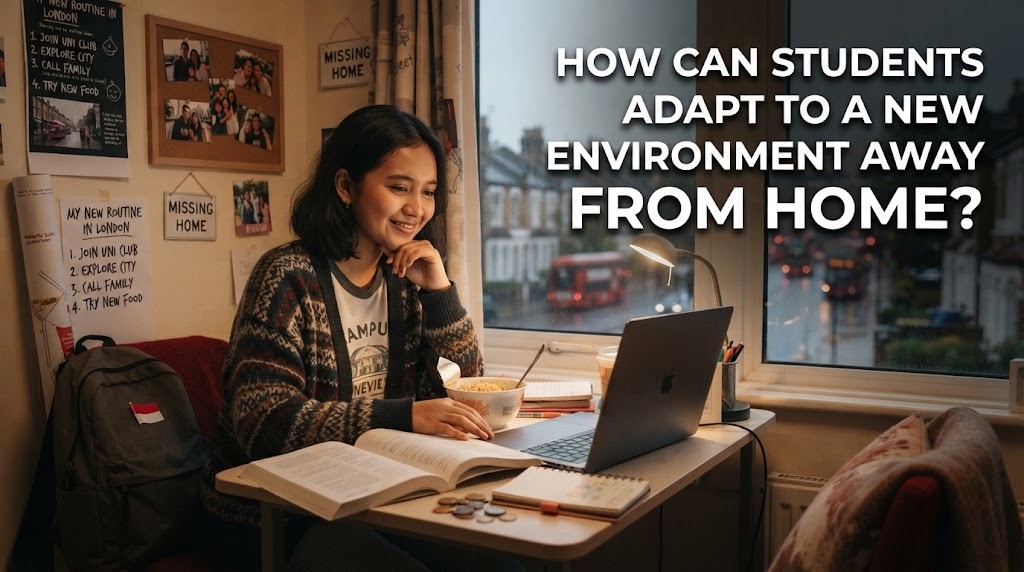
Moving away from home can be an exciting but challenging experience for students. They have to become familiar with a new environment, different people, and new daily routines. At first, students may feel uncomfortable because everything seems unfamiliar. However, with the right approach, they can gradually feel more confident and comfortable. Adaptation takes time, so students should not expect themselves to adjust immediately.
LEARN ABOUT THE NEW ENVIRONMENT
The first step to adapting is learning about the place where students live. They can explore the neighborhood, campus, transportation, shops, and important facilities around them. Knowing where to find basic necessities can make daily activities easier. Students can also learn about local customs and common habits. This knowledge can help them feel more prepared in their new surroundings.
Exploring the area does not have to happen all at once. Students can gradually visit different places and remember important routes. They can also ask trusted people for information when they are unsure about something. Understanding the surroundings can reduce confusion and increase confidence. Over time, the new environment can begin to feel more familiar.
BUILD A NEW DAILY ROUTINE
Having a clear routine can make the adjustment process easier. Students should organize time for studying, sleeping, eating, exercising, and relaxing. A regular routine helps them know what they need to do each day. It can also prevent students from feeling overwhelmed by too many responsibilities. A simple schedule can make life away from home more organized.
Students should also leave enough time for unexpected activities or changes. They do not need to follow their schedule perfectly every day. The important thing is to have a basic structure that supports their needs. A healthy routine can help students maintain balance between academic responsibilities and personal life.
MAKE NEW FRIENDS
Making friends is an important part of adapting to a new environment. Students can start by talking to classmates, roommates, neighbors, or other students. Simple conversations can become the beginning of new friendships. Students can also join campus clubs, organizations, or study groups. These activities provide opportunities to meet people with similar interests.
Building friendships may take time, especially for students who are shy or unfamiliar with the local social environment. They should not feel pressured to make many friends immediately. Having a few positive and supportive relationships can already make a big difference. Good friendships can provide companionship and emotional support when students miss home.
STAY CONNECTED WITH FAMILY
Living away from home does not mean students have to stop communicating with their families. Regular phone calls, video calls, and messages can help students maintain family connections. Talking about daily experiences can make students feel less isolated. Family members can also provide encouragement when students face difficulties. This support can be especially useful during the early stages of adjustment.
However, students should also learn to manage their lives independently. Staying connected with family should support independence rather than prevent it. Students can share important experiences while still making their own decisions. Healthy communication can provide emotional support while allowing students to grow independently.
UNDERSTAND LOCAL CULTURE
Students who move to another city or region may encounter different cultures, traditions, languages, foods, and social habits. Understanding these differences can help them communicate respectfully with other people. Students should avoid judging unfamiliar customs too quickly. Instead, they can ask questions and learn from people around them. Being open-minded can make cultural adaptation easier.
Cultural differences can also become a valuable learning experience. Students may discover new traditions and ways of thinking that they had never experienced before. They can learn which behaviors are appropriate in different situations. Respecting cultural differences helps students build better relationships with people in their new environment.
MANAGE HOMESICKNESS
Homesickness is common among students who live far from their families. Students may miss their parents, siblings, friends, pets, food, or familiar routines. These feelings can become stronger when students are tired, stressed, or experiencing problems. Recognizing homesickness as a normal part of adjustment can help students handle it more calmly.
Students can manage homesickness by staying connected with loved ones and creating positive activities in their new environment. They can also decorate their room with familiar items or prepare food they enjoy from home. Spending time with supportive friends can reduce feelings of loneliness. Creating new positive experiences can gradually make the new place feel like home.
BE OPEN TO NEW EXPERIENCES
Adapting becomes easier when students are willing to try new things. They can participate in campus events, community activities, cultural events, or new hobbies. These experiences can help students understand their surroundings and meet different people. Trying new activities can also increase confidence. Students do not need to accept every opportunity, but they can remain open to useful experiences.
Making mistakes is also part of the adaptation process. Students may sometimes misunderstand local habits or feel uncomfortable in unfamiliar situations. Instead of giving up, they can learn from these experiences. An open and flexible attitude can help students become more confident in their new environment.
ASK FOR HELP WHEN NEEDED
Students do not have to solve every problem by themselves. They can ask for help from lecturers, classmates, roommates, campus staff, or trusted family members. Asking questions can help them understand unfamiliar situations more quickly. It can also prevent small problems from becoming bigger. Seeking support is a normal part of adapting to a new environment.
Students should identify reliable people they can contact when they need assistance. For academic problems, they can speak with lecturers or academic advisors. For personal or practical problems, they can talk to trusted friends, roommates, or appropriate campus services. Knowing when and where to ask for help is an important life skill.
DEVELOP SELF CONFIDENCE
Adapting to a new environment can gradually improve students' confidence. Every time they successfully handle a new situation, they gain more experience. Simple achievements, such as finding a new route, managing expenses, or completing tasks independently, can build confidence. Students should recognize their progress instead of focusing only on their difficulties.
Confidence does not mean never feeling nervous or making mistakes. It means being willing to face unfamiliar situations and learn from them. Students can set small goals and gradually take on greater responsibilities. Small steps can lead to stronger independence and confidence over time.
CONCLUSION
Students can adapt to a new environment by learning about their surroundings, creating a daily routine, making friends, staying connected with family, and understanding local culture. Managing homesickness and being open to new experiences can also make the process easier. Students should remember that adaptation does not happen instantly. With patience, support, and regular practice, they can become more comfortable and independent. Living away from home can ultimately become a valuable experience for personal growth and future life.
Tentang Penulis
Gusti Ayu Tita P
Penulis — Universitas STEKOM
Penulis aktif yang berfokus pada isu-isu akademik, teknologi pendidikan, dan pengembangan sumber daya manusia di lingkungan kampus.