How Can Students Avoid Wasting Their College Allowance?
Gusti Ayu Tita P
29 September 2026
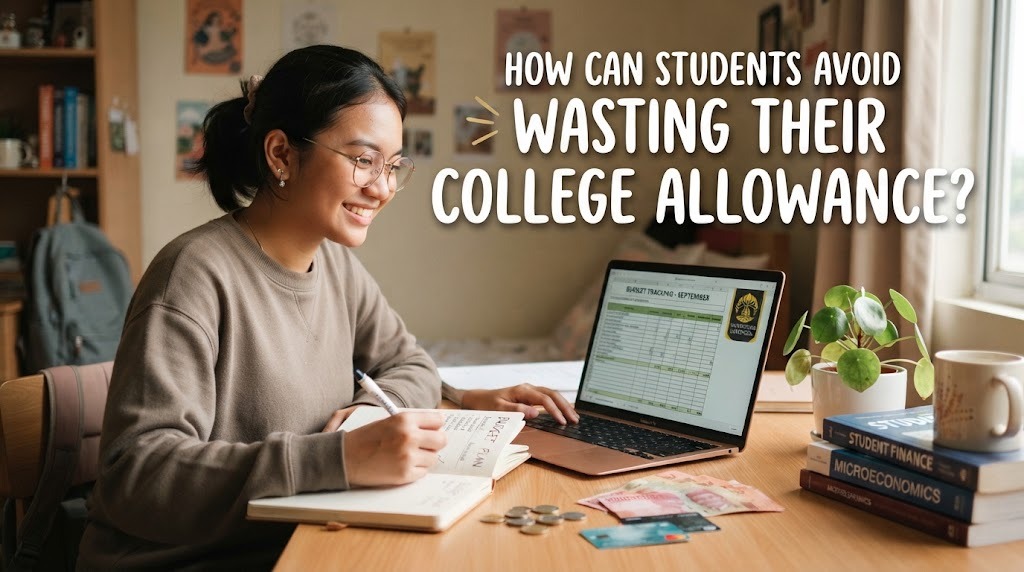
Students can avoid wasting their college allowance by creating a simple spending plan before using their money. They can divide their allowance according to important needs such as food, transportation, school supplies, communication, and savings. A spending plan helps students understand how much money is available for different purposes. It can also prevent them from using too much money at the beginning of the month. By planning ahead, students can make more controlled financial decisions.
DISTINGUISH BETWEEN NEEDS AND WANTS
Understanding the difference between needs and wants is important when managing college allowance. Needs include expenses that are necessary for daily life and education, while wants are usually things that students can live without. For example, transportation and meals may be essential, while buying unnecessary items or ordering food repeatedly may be optional. Before spending money, students can ask whether the purchase is truly necessary. This simple habit can reduce impulsive spending and help protect their allowance.
LIMIT IMPULSIVE PURCHASES
Impulsive spending can quickly reduce a student's allowance. Discounts, online promotions, trending products, and attractive food offers can encourage students to buy things without proper consideration. Students can avoid this habit by waiting before making nonessential purchases. They can also make a shopping list and follow it instead of buying items randomly. Taking a moment to think before spending can make a significant difference in monthly expenses.
CONTROL DAILY FOOD AND ENTERTAINMENT EXPENSES
Food and entertainment can become major sources of unnecessary spending for students. Buying expensive meals, snacks, drinks, or entertainment frequently may seem inexpensive individually but can become costly over time. Students can control these expenses by setting a daily spending limit and choosing affordable alternatives when possible. Bringing food or drinks from home can also reduce some daily costs. With reasonable limits, students can still enjoy their free time without using too much of their allowance.
SET ASIDE MONEY FOR SAVINGS
Students should consider saving part of their allowance before spending it on other things. Even a small amount can become useful when saved consistently over several months. Savings can be used for future school needs, unexpected expenses, or a personal financial goal. Keeping savings separate from everyday spending money can make it easier to avoid using them unnecessarily. This habit also teaches students the importance of financial preparation.
REVIEW EXPENSES REGULARLY
Reviewing expenses can help students understand where their allowance is going. At the end of each week or month, they can check their spending records and identify purchases that were unnecessary. If certain expenses appear repeatedly, students can decide whether they can be reduced or replaced with cheaper alternatives. Regular evaluation allows them to improve their money management habits over time. The goal is not to avoid spending completely but to make sure that money is used for meaningful and necessary purposes.
CONCLUSION
Students can avoid wasting their college allowance by planning their spending, separating needs from wants, and controlling impulsive purchases. Limiting daily food and entertainment expenses can also help keep their budget under control. Saving part of their allowance and reviewing expenses regularly can strengthen their financial habits. These simple strategies can help students use their money more carefully without giving up all enjoyable activities. Good allowance management can also prepare students for greater financial responsibilities in the future.
Tentang Penulis
Gusti Ayu Tita P
Penulis — Universitas STEKOM
Penulis aktif yang berfokus pada isu-isu akademik, teknologi pendidikan, dan pengembangan sumber daya manusia di lingkungan kampus.