How Can Students Deal With Cultural Differences In A New Place?
Gusti Ayu Tita P
29 September 2026
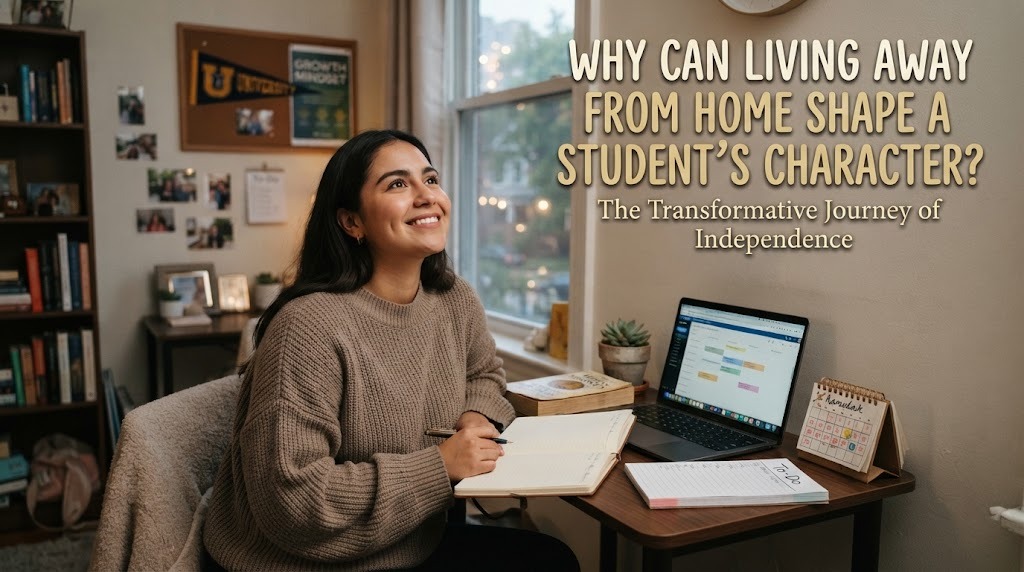
Moving to a new place for college can introduce students to people with different cultures, traditions, languages, and daily habits. These differences can be interesting, but they may also feel confusing when students are unfamiliar with them. Students need time to understand their new environment and adjust to different ways of communicating and behaving. Learning about cultural differences can make the transition easier and create more positive experiences. It can also help students develop a broader understanding of the world around them.
LEARN ABOUT THE LOCAL CULTURE
The first step is to learn basic information about the culture of the new place. Students can learn about local traditions, common social habits, food, communication styles, and important customs. They can use reliable sources, talk to local people, or observe how people behave in everyday situations. Learning before judging can help students avoid misunderstandings. Even basic cultural knowledge can make daily interactions more comfortable.
Students do not need to understand everything immediately. Culture can be complex, and different people within the same community may have different habits. Students can gradually learn through conversations and everyday experiences. Being willing to learn shows respect and curiosity toward the local community. This attitude can make it easier to adapt to a new environment.
OBSERVE BEFORE MAKING JUDGMENTS
When students encounter unfamiliar behavior, their first reaction may be to compare it with what they are used to at home. However, something that seems unusual does not automatically mean it is wrong. Students should take time to understand the reason behind a particular habit or social practice. Observation can help students understand differences more objectively. It can also prevent unnecessary misunderstandings.
Students can ask polite questions when they do not understand something. They should avoid making negative assumptions based on a single experience. People may have different personalities even when they share the same cultural background. Understanding this difference can help students avoid stereotypes. An open and patient attitude can make cultural adaptation easier.
RESPECT DIFFERENT CUSTOMS
Respect is an important part of interacting with people from different cultural backgrounds. Students may encounter different traditions related to greetings, clothing, food, celebrations, personal space, or communication. They do not need to adopt every custom, but they should understand and respect appropriate local practices. Respecting differences can help create positive relationships. It also shows consideration for people in the new community.
Students should also understand that cultural practices can vary between individuals and regions. A custom that is common in one area may not be followed by everyone. Students can remain respectful while still maintaining their own identity and personal values. Mutual respect allows people with different backgrounds to interact comfortably. This approach can create a more welcoming environment for everyone.
BE CAREFUL WITH COMMUNICATION
Communication styles can vary between cultures. Some communities may prefer direct communication, while others may use more indirect or polite expressions. Differences can also appear in gestures, eye contact, personal space, tone of voice, and the way people express disagreement. Students should pay attention to these details when communicating with others. Clear and respectful communication can reduce cultural misunderstandings.
When students are unsure about the meaning of someone's words or actions, they can ask for clarification politely. They should not immediately assume that another person is being rude or unfriendly. At the same time, students should explain their own communication preferences when necessary. Good communication requires listening as well as speaking. With practice, students can become more comfortable interacting across cultural differences.
TRY LOCAL FOOD AND ACTIVITIES
Food and local activities can provide an easy way for students to learn about a new culture. Students can try local dishes, visit community events, explore traditional places, or participate in appropriate cultural activities. These experiences allow them to understand the environment beyond what they see in classrooms. New experiences can make cultural learning more practical and memorable. They can also help students discover interests they did not have before.
Students should remain respectful when participating in local activities. They can learn about the meaning of a tradition before joining it, especially when it has religious or cultural significance. Asking permission or following local guidance can prevent inappropriate behavior. Students do not have to participate in everything they encounter. The goal is to develop understanding through respectful experiences.
MAKE FRIENDS FROM DIFFERENT BACKGROUNDS
Building friendships can help students understand cultural differences more naturally. Friends can explain local expressions, traditions, social habits, and everyday practices that may not be found in textbooks. Students can also share their own culture and experiences with new friends. This creates an opportunity for two way cultural learning. Friendships can make students feel more connected to their new environment.
Students should avoid choosing friends based only on cultural background. Instead, they can focus on shared interests, respect, trust, and positive communication. Joining student organizations, clubs, study groups, or campus activities can provide opportunities to meet different people. Spending time with others can gradually increase social confidence. It can also help students feel less isolated in a new place.
AVOID STEREOTYPES AND ASSUMPTIONS
Cultural differences can sometimes lead people to make generalizations about certain groups. Students should avoid assuming that every person from a particular culture behaves in the same way. Individuals have different personalities, experiences, and preferences, even when they share the same cultural background. Judging people based on stereotypes can create unnecessary conflict. Students should focus on understanding individuals rather than making broad assumptions.
When students hear a cultural stereotype, they can question whether it is based on reliable information or personal experience. They can also learn from multiple sources instead of relying on a single opinion. This approach helps students develop a more balanced understanding of cultural differences. Critical thinking is useful when learning about unfamiliar communities. It allows students to remain open without accepting every claim automatically.
BE PATIENT DURING THE ADAPTATION PROCESS
Adjusting to cultural differences does not happen overnight. Students may experience confusion, homesickness, frustration, or discomfort while learning new social habits. These feelings can be a normal part of adapting to an unfamiliar environment. Students should give themselves enough time to adjust. Making mistakes can also become part of the learning process.
Students can reflect on their experiences and identify what they have learned. They can gradually change habits that create misunderstandings while maintaining their personal identity. Talking with supportive friends, family members, or campus staff can also help during difficult periods. Patience and flexibility can make the adjustment process easier. Over time, unfamiliar cultural practices may become more understandable and comfortable.
KEEP YOUR OWN CULTURAL IDENTITY
Adapting to a new culture does not mean students must completely change who they are. They can learn about local customs while continuing to value their own traditions and personal identity. Sharing their culture respectfully can also help others understand them better. Cultural exchange works in both directions. Students can learn from others while also contributing their own experiences.
Maintaining familiar traditions can sometimes provide comfort when students are far from home. They can prepare familiar food, celebrate important occasions, or communicate with people who share similar backgrounds. At the same time, they can remain open to new experiences. Finding a balance between personal identity and cultural adaptation can make living in a new place more comfortable.
CONCLUSION
Students can deal with cultural differences by being open minded, respectful, patient, and willing to learn. Learning about local culture, observing carefully, communicating clearly, and building friendships can reduce misunderstandings. Students should also avoid stereotypes and understand that individuals may have different personalities and experiences. At the same time, they can maintain their own cultural identity while adapting to their new surroundings. With time and positive experiences, cultural differences can become an opportunity for learning and personal growth.
Tentang Penulis
Gusti Ayu Tita P
Penulis — Universitas STEKOM
Penulis aktif yang berfokus pada isu-isu akademik, teknologi pendidikan, dan pengembangan sumber daya manusia di lingkungan kampus.