How Can Students Divide Their College Allowance?
Gusti Ayu Tita P
28 September 2026
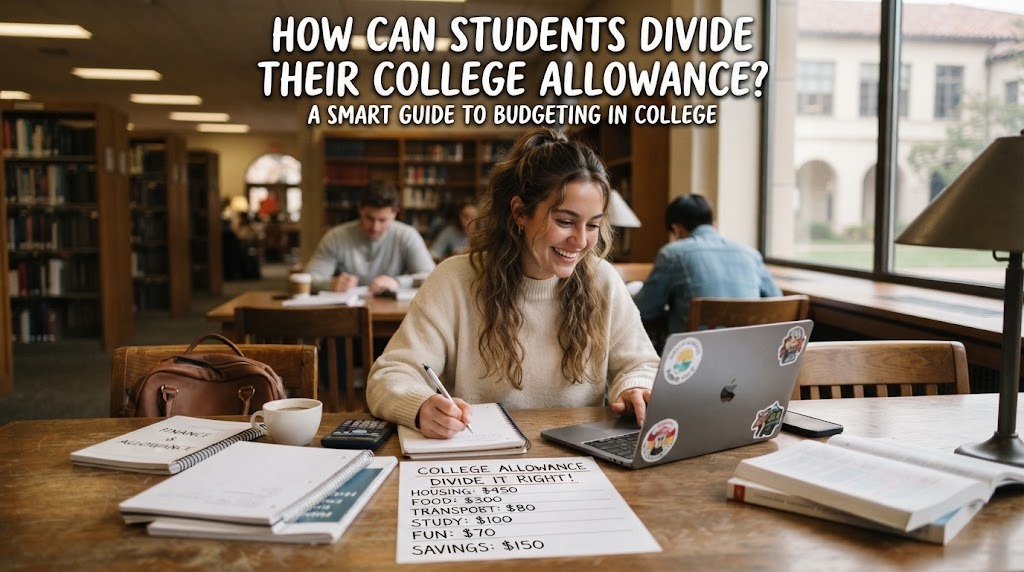
Dividing a college allowance into several spending categories can help students control their money more effectively. Without a clear division, students may spend too much on one type of expense and have too little money for other important needs. College students usually have to manage food, transportation, academic expenses, communication, and personal spending. A simple allowance plan can help students balance these different needs. The division does not have to be complicated as long as it matches the student's actual financial situation.
IDENTIFYING THE MOST IMPORTANT EXPENSES
Before dividing an allowance, students should identify their most important expenses. These usually include food, transportation, academic materials, communication, and other costs that are necessary for daily college activities. Understanding these expenses makes it easier to determine which categories should receive priority.
Students can review their spending from previous weeks to estimate how much they normally need. This information can help them avoid creating a budget that is too high or too low. Essential expenses should be planned first before money is assigned to optional activities. A realistic starting point makes the rest of the allowance easier to organize.
ALLOCATING MONEY FOR FOOD
Food is often one of the largest parts of a college allowance. Students may need money for meals, snacks, and drinks during their college activities. The amount can vary depending on whether they eat at home, bring food from home, or buy meals near campus.
Students can set a daily or weekly food limit based on their actual needs. They can also reduce unnecessary food purchases by bringing water or meals from home when possible. A clear food budget helps prevent daily meals from consuming too much of the allowance. Students should still make sure that their food choices support their health and daily activities.
SETTING ASIDE TRANSPORTATION AND ACADEMIC COSTS
Transportation and academic expenses should also have their own portion of the allowance. Transportation may include public transportation, fuel, parking, or occasional travel costs. Academic expenses can include printing, stationery, project materials, and other study-related needs.
Students should estimate these costs according to their regular college schedule. Some academic expenses may not occur every day, but money should still be prepared for them. Separating these categories prevents essential college expenses from being forgotten. It also makes it easier to identify which expenses can be reduced when the budget becomes tight.
PREPARING MONEY FOR PERSONAL NEEDS
After essential expenses have been covered, students can allocate some money for personal needs and social activities. These may include entertainment, hobbies, occasional snacks, or meeting friends. Having a specific amount for these activities allows students to enjoy their free time without affecting their essential budget.
The amount should remain reasonable and should depend on the allowance available. Students should avoid using money intended for food, transportation, or academic needs for personal activities. A separate personal spending limit creates better financial control. If the allowance is limited, personal spending can be reduced while essential expenses remain protected.
ALLOCATING MONEY FOR SAVINGS
Students should also consider setting aside part of their allowance for savings. Saving can help prepare for future needs and unexpected expenses. The amount does not have to be large, especially when students have limited financial resources.
Students can choose a fixed amount or a small percentage of their allowance to save regularly. Saving immediately after receiving an allowance can make the habit easier to maintain. Treating savings as part of the budget can prevent students from spending all their money before setting anything aside. Over time, even small savings can become a useful financial reserve.
REVIEWING AND ADJUSTING THE ALLOCATION
Allowance divisions should not be treated as permanent. Students can review their spending regularly and adjust each category when necessary. For example, academic expenses may increase during certain periods, while transportation costs may decrease during holidays or online classes.
Tracking actual spending helps students determine whether their original allocation is realistic. A flexible budget can adapt to changes in college activities and personal needs. Students should focus on creating a system that they can follow consistently rather than trying to follow a perfect formula.
CONCLUSION
Students can divide their college allowance by prioritizing essential expenses, food, transportation, academic needs, personal spending, and savings. Each category should receive an amount that reflects the student's actual situation. Essential needs should generally be planned before optional expenses so that important college activities remain financially supported.
A good allowance division should also be flexible and reviewed regularly. Tracking expenses and adjusting the budget when circumstances change can help students maintain better control of their money. With a simple and consistent system, students can meet their daily needs while developing responsible financial habits.
Tentang Penulis
Gusti Ayu Tita P
Penulis — Universitas STEKOM
Penulis aktif yang berfokus pada isu-isu akademik, teknologi pendidikan, dan pengembangan sumber daya manusia di lingkungan kampus.