How Can Students Manage Their Finances While Living Away From Home?
Gusti Ayu Tita P
29 September 2026
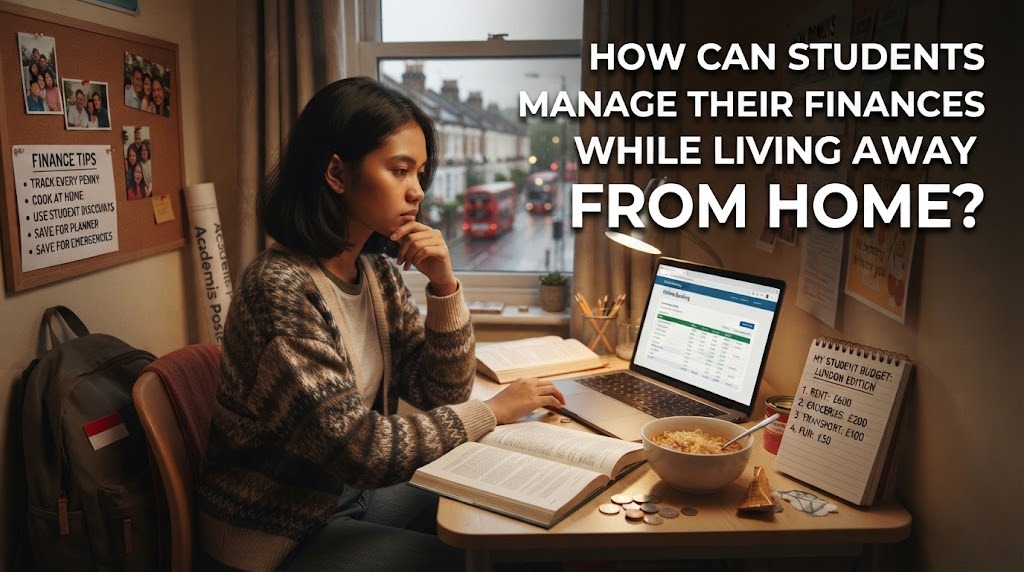
Living away from home gives students more freedom, but it also requires them to manage their money carefully. Students may need to pay for food, accommodation, transportation, education, and personal needs. Without proper planning, daily expenses can quickly become difficult to control. Learning how to manage money can help students avoid unnecessary financial pressure. Good financial habits can also become useful for their future.
CREATE A MONTHLY BUDGET
The first step in managing finances is creating a monthly budget. Students should calculate how much money they receive and identify their regular expenses. Important costs may include rent, food, transportation, internet, study materials, and other necessities. After identifying these expenses, students can determine how much money remains for other activities.
A budget does not have to be complicated. Students can write their income and expenses in a notebook, spreadsheet, or budgeting application. They should review their spending regularly to see whether they are staying within their limits. A simple budget can help students understand where their money goes and prevent overspending.
PRIORITIZE IMPORTANT EXPENSES
Students should learn to separate needs from wants when managing their money. Needs include essential expenses such as food, accommodation, transportation, and education. Wants may include entertainment, expensive meals, new clothes, or unnecessary shopping. Understanding this difference can help students make better financial decisions.
Important expenses should be paid or prepared for before spending money on less necessary things. Students can create a priority list to identify which costs must be handled first. This approach can reduce the risk of running out of money before the end of the month. Prioritizing needs helps students use limited money more responsibly.
TRACK DAILY SPENDING
Small purchases can have a significant effect on a student's monthly budget. Buying snacks, drinks, online items, or transportation services several times a week can gradually increase total spending. Students should therefore record their daily expenses. This makes it easier to identify spending habits that may need to be changed.
Tracking expenses can be done using a notebook, phone application, or simple spreadsheet. Students do not need a complicated system to start. The important thing is to record expenses consistently and review them regularly. Knowing spending patterns can help students find opportunities to save money.
SAVE MONEY REGULARLY
Saving money is another important part of financial management. Students can set aside a small amount of money whenever they receive their monthly allowance or income. The amount does not have to be large because consistent saving is more important than saving a lot at once. These savings can be useful for unexpected expenses.
Students can keep their savings separate from their daily spending money. This can reduce the temptation to use the money for unnecessary purchases. Having emergency savings can also provide greater financial security when unexpected situations occur. Even a small emergency fund can be helpful when students face unplanned costs.
REDUCE UNNECESSARY SPENDING
Students can improve their finances by reducing expenses that are not essential. They can prepare meals instead of frequently eating at restaurants or ordering food. They can also compare prices before buying products and use available student discounts when appropriate. These small choices can help reduce daily living costs.
Students should not avoid all entertainment or social activities. Instead, they can set a reasonable limit for these expenses. Choosing affordable activities can allow students to enjoy their free time without damaging their budget. Balanced spending is more realistic than completely avoiding personal enjoyment.
USE MONEY FOR FOOD WISELY
Food can become one of the largest regular expenses for students living away from home. Students can save money by planning meals and preparing food at home when possible. Buying groceries based on a shopping list can also reduce impulse purchases. Choosing affordable but nutritious ingredients can help students maintain both their health and budget.
Students can also compare prices between stores and avoid buying more food than they need. Preparing larger portions and storing them properly may reduce the need to purchase meals frequently. However, students should still make sure that their meals provide enough nutrition. Saving money on food should not mean ignoring healthy eating.
CONTROL ONLINE SHOPPING
Online shopping can make it easy for students to spend money without thinking carefully. Discounts, promotions, and free shipping offers can encourage unnecessary purchases. Students should ask themselves whether an item is really needed before buying it. Waiting for a day or two before making a nonessential purchase can help reduce impulsive spending.
Students can also remove unnecessary shopping notifications and avoid saving payment information on every shopping platform. Making a shopping list can help them focus on planned purchases. If an item is not included in the budget, students can consider postponing the purchase. Controlling impulse purchases can protect a student's monthly budget.
FIND AFFORDABLE TRANSPORTATION
Transportation costs can also affect a student's finances. Students can consider public transportation, walking, cycling, or shared transportation when these options are safe and practical. Choosing affordable transportation can reduce regular expenses. Planning routes in advance can also help avoid unnecessary trips.
Students should consider both cost and convenience when choosing transportation. The cheapest option is not always suitable for every situation, especially when safety or travel time is an important concern. A practical transportation plan can help students control expenses without creating unnecessary difficulties. Smart transportation choices can contribute to long-term savings.
REVIEW THE BUDGET REGULARLY
Financial planning should not stop after creating a budget. Students should review their income, expenses, and savings regularly. Some expenses may change from month to month, such as study materials, transportation, or social activities. Reviewing the budget allows students to make adjustments when their financial situation changes.
Students can compare their planned spending with their actual spending at the end of each week or month. If they spend too much in one category, they can look for ways to adjust in another area. This process helps students understand what works and what needs improvement. Regular financial reviews can turn budgeting into a useful long-term habit.
CONCLUSION
Students can manage their finances while living away from home by creating a budget, prioritizing needs, tracking expenses, saving regularly, and reducing unnecessary spending. Planning food, transportation, and online purchases can also help control daily costs. Students do not need to have a large amount of money to develop good financial habits. What matters is using available money carefully and consistently. Good financial management can reduce stress and prepare students for greater financial responsibility in the future.
Tentang Penulis
Gusti Ayu Tita P
Penulis — Universitas STEKOM
Penulis aktif yang berfokus pada isu-isu akademik, teknologi pendidikan, dan pengembangan sumber daya manusia di lingkungan kampus.