How Can Students Manage Their Study Time and Activities During Demonstrations?
Gusti Ayu Tita P
28 September 2026
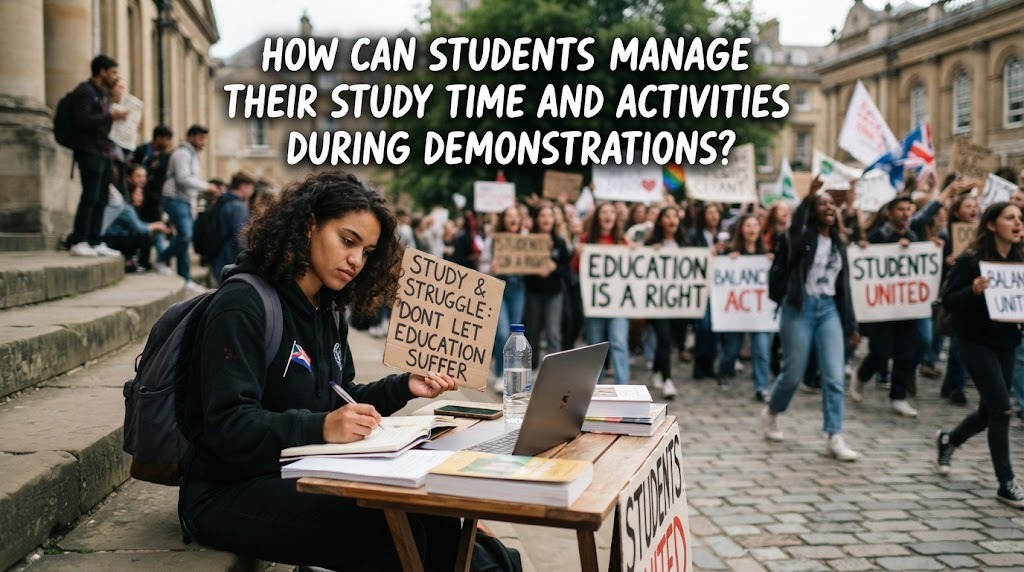
Students may have to balance academic responsibilities with activities outside the classroom, including demonstrations and organizational activities. Managing both requires effective time management and a clear understanding of personal priorities. Students can organize their schedules so that important academic tasks are not neglected. They should also communicate with others when activities affect their study plans. A balanced approach can help students remain productive while participating responsibly.
CREATING A REALISTIC SCHEDULE
Students should create a schedule that includes classes, assignments, study sessions, organizational activities, and demonstration plans. A realistic schedule should match the time and energy they actually have available. Study Planning can help students see which responsibilities need attention first. They can use a calendar, notebook, or digital reminder to track important activities. A clear schedule can reduce confusion when several responsibilities occur close together.
Students should avoid filling every available hour with activities. Leaving some flexible time can help them handle unexpected changes or unfinished assignments. Flexible Scheduling allows students to adjust their plans without abandoning important responsibilities. They can review their schedule regularly and make changes when necessary. This approach can make time management more sustainable.
SETTING CLEAR PRIORITIES
Students should identify tasks according to their deadlines and importance. Assignments due soon or examinations requiring preparation may need attention before less urgent activities. Academic Priorities help students determine how to use limited time effectively. They can break larger assignments into smaller steps and complete them gradually. This strategy can prevent academic tasks from accumulating.
Students should also understand their personal limits. Participating in too many activities can make it difficult to maintain academic performance. Task Management allows students to select responsibilities that they can realistically complete. They should communicate early if they cannot take on an additional task. Setting reasonable limits can help maintain balance.
USING STUDY TIME EFFECTIVELY
Students can make study sessions more productive by setting specific goals. For example, they can focus on completing one assignment section or reviewing a particular topic during a study period. Focused Learning can help students use limited time more efficiently. They should minimize unnecessary distractions while studying. Short but purposeful study sessions can still be useful when schedules are busy.
Students can also use small periods of free time for simple academic tasks. Reviewing notes, reading materials, or organizing assignments can be done when longer study sessions are unavailable. Productive Study allows students to make gradual progress throughout the day. However, students should avoid studying continuously without sufficient rest. A balanced routine can support better concentration.
COORDINATING WITH OTHERS
Communication is important when academic activities and demonstrations occur at similar times. Students can discuss schedules with classmates to stay informed about assignments and academic changes. Academic Coordination can help students manage shared projects and group responsibilities. They can also communicate appropriately with lecturers or academic staff when legitimate scheduling concerns arise. Clear communication can prevent misunderstandings.
Students involved in organizations should also communicate their academic commitments to other members. Tasks can sometimes be divided among members according to their availability. Team Coordination helps groups maintain progress without placing excessive pressure on one person. Students should be honest about what they can complete. Good coordination can strengthen trust and cooperation.
MAINTAINING HEALTHY ROUTINES
Effective time management should include adequate rest and basic self-care. Students need sufficient sleep, regular meals, hydration, and reasonable breaks to maintain concentration. Healthy Routines can support both academic productivity and participation in other activities. Students should not sacrifice essential rest simply to attend every event. Maintaining energy is important when managing a busy schedule.
Students should also recognize signs of excessive fatigue. When concentration decreases significantly, taking a break may be more productive than continuing without focus. Balanced Activities allow students to participate without constantly overloading themselves. A sustainable routine can help students manage responsibilities over a longer period. Productivity should be supported by healthy habits rather than constant pressure.
CONCLUSION
Students can manage study time and activities during demonstrations by creating realistic schedules, setting academic priorities, using study time effectively, coordinating with others, and maintaining healthy routines. Time Management can help students balance different responsibilities without neglecting important academic tasks. Flexible planning allows them to respond to unexpected changes while remaining focused on their goals. Communication can also make coordination with classmates and organizations easier. With consistent planning and responsible participation, students can manage their academic and extracurricular activities more effectively.
Tentang Penulis
Gusti Ayu Tita P
Penulis — Universitas STEKOM
Penulis aktif yang berfokus pada isu-isu akademik, teknologi pendidikan, dan pengembangan sumber daya manusia di lingkungan kampus.