How Can Students Stay Connected With Their Families While Living Away From Home?
Gusti Ayu Tita P
29 September 2026
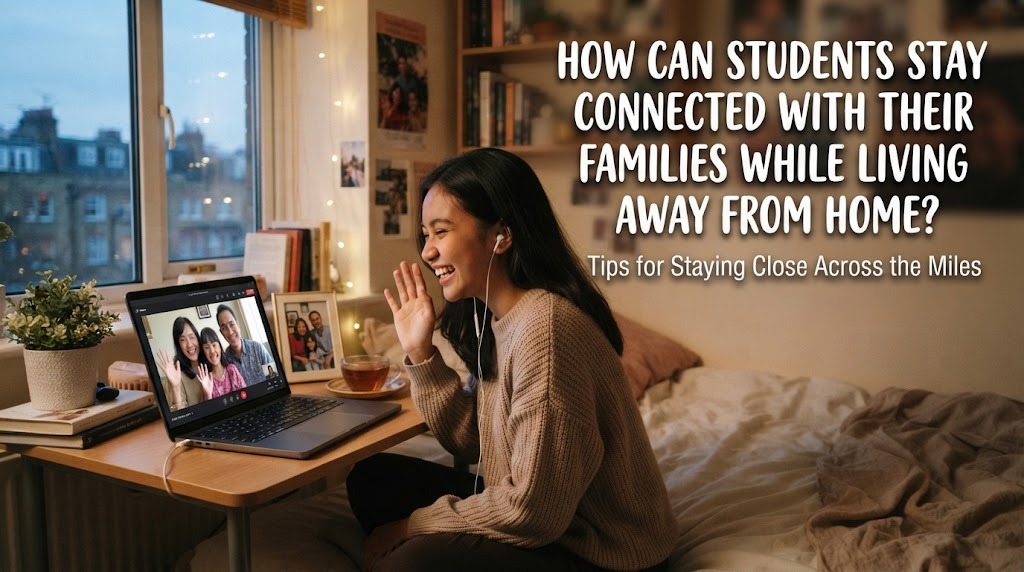
Living away from home does not mean students have to lose their connection with their families. Distance can make regular communication more important, especially when students are adjusting to a new environment. Modern technology provides many simple ways for students to communicate with parents and other family members. Staying connected can provide emotional support while students continue developing their independence. A healthy family connection can also make the experience of living away from home feel more comfortable.
MAKE REGULAR PHONE CALLS
Phone calls are one of the simplest ways for students to communicate with their families. Students can schedule regular calls with their parents or other family members. They can talk about their classes, daily activities, problems, and interesting experiences. Hearing a familiar voice can also provide comfort when students feel lonely.
The calls do not have to be very long. A short conversation can still help family members stay updated about each other's lives. Students can choose a schedule that works with their classes and family routines. Consistent communication is often more important than having long conversations every day.
USE VIDEO CALLS
Video calls allow students and families to communicate while seeing each other directly. Applications with video features can make conversations feel more personal than text messages. Students can show their living space, campus, meals, or daily activities to their families. This can help family members feel more involved in the student's new life.
Video calls can be especially useful during important occasions or when students want to share something meaningful. However, students should consider time differences and family schedules when arranging calls. A regular video call can become a positive routine for everyone. Seeing each other can help maintain a stronger sense of connection despite physical distance.
SHARE DAILY EXPERIENCES
Students can stay connected by sharing small parts of their everyday lives. They can send photos, short videos, messages, or updates about interesting moments. Sharing a meal, campus activity, or new experience can give families a better understanding of the student's life. These simple interactions can make distance feel smaller.
Students do not need to share every detail of their day. They can choose meaningful or interesting moments that naturally start conversations. Family members can also share their own experiences, creating a two-way connection. Sharing everyday experiences helps families remain involved in each other's lives.
CREATE A COMMUNICATION SCHEDULE
A communication schedule can help students stay connected when they have busy academic routines. They can decide specific times for calls, video chats, or family messages. Having a regular schedule makes communication easier to remember. It can also help families know when students are usually available.
The schedule should remain flexible when necessary. Exams, assignments, work, or family activities may require changes. Students can simply communicate when they need to adjust the usual time. A flexible routine can maintain family connection without interfering with academic responsibilities.
CELEBRATE IMPORTANT MOMENTS TOGETHER
Living far from home does not mean students cannot celebrate special occasions with their families. They can participate through video calls, online celebrations, shared meals, or virtual activities. Birthdays, holidays, graduations, and other important events can still be meaningful from a distance. These moments can strengthen family relationships.
Students can also send small gifts, cards, photos, or messages when they cannot attend an event physically. The effort does not have to be expensive or complicated. What matters is showing that they remember and care about important family moments. Small efforts can make family members feel valued even when they are far apart.
KEEP FAMILY MEMBERS UPDATED
Students should let their families know about important changes in their lives. They can share updates about academic progress, accommodation, health, activities, and major plans. This helps family members understand how the student is adapting to life away from home. It can also reduce unnecessary worry.
At the same time, students should maintain appropriate privacy and independence. They do not need to report every small decision they make. Sharing important information while maintaining personal boundaries can create a healthy relationship. Open communication can provide support while allowing students to grow independently.
SHARE NEW EXPERIENCES
Students can involve their families by telling them about new experiences in their new environment. They can talk about new friends, local food, cultural activities, campus events, or interesting places. Sharing these experiences can make family members feel connected to the student's journey. It also gives students an opportunity to reflect on what they are learning.
Students can send photos or videos when appropriate. They can also explain what they enjoyed or what they found challenging. These conversations can create meaningful topics beyond simple questions about school. Sharing new experiences helps families become part of the student's life even from a distance.
BE HONEST ABOUT FEELINGS
Students may sometimes feel homesick, stressed, lonely, or overwhelmed while living away from home. They should feel comfortable talking about these emotions with trusted family members. Honest conversations can help families understand when students need encouragement or support. Keeping every difficulty to themselves may make adjustment more difficult.
However, students can also share positive experiences and achievements. Talking about successes can make family members feel proud and involved. A balanced conversation can include both challenges and good moments. Honest communication can strengthen trust and emotional support within the family.
CONCLUSION
Students can stay connected with their families while living away from home through regular phone calls, video calls, messages, shared experiences, and communication routines. They can also celebrate important moments together and honestly discuss their feelings. Technology makes it easier to maintain relationships despite physical distance. At the same time, students should continue developing independence and healthy personal boundaries. Strong family connections can provide valuable emotional support throughout the experience of living away from home.
Tentang Penulis
Gusti Ayu Tita P
Penulis — Universitas STEKOM
Penulis aktif yang berfokus pada isu-isu akademik, teknologi pendidikan, dan pengembangan sumber daya manusia di lingkungan kampus.