How Can Students Use a Campus Email Properly and Professionally?
Gusti Ayu Tita P
28 September 2026
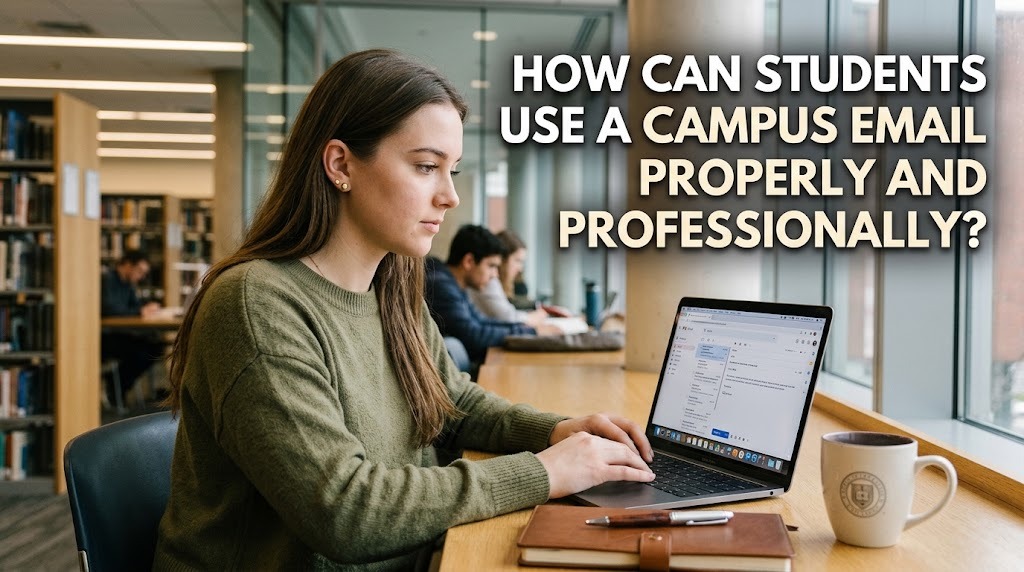
A campus email is an important communication tool that students can use for academic and institutional purposes. Using it properly helps students communicate with lecturers, staff, and other members of the campus community in a clear and respectful way. Professional email habits can also help students manage academic information more effectively. In addition, these habits can prepare students for communication in professional environments. Therefore, students should understand the basic rules of using campus email correctly.
USE A CLEAR AND PROFESSIONAL SUBJECT LINE
A clear subject line helps the recipient understand the purpose of an email before opening it. Students should write a subject that briefly describes the main topic of their message. For example, a subject about an assignment can mention the course and assignment topic. Avoiding vague subjects can make academic communication easier to organize. A specific subject also makes the email look more professional.
Students should avoid using subjects that contain unnecessary words or informal expressions. The subject should provide enough information without becoming too long. A well-written subject can also help lecturers find the message more easily when managing many emails. This simple habit can improve the efficiency of academic communication.
START WITH A POLITE GREETING
A professional campus email should begin with an appropriate greeting. Students can address lecturers or staff members politely according to the academic context. They should avoid starting formal emails with casual expressions that are more suitable for conversations with close friends. After the greeting, students can briefly introduce themselves and mention their class or course when necessary. This makes the purpose and identity of the sender easier to understand.
The opening should remain respectful without being unnecessarily complicated. Students can use simple and polite sentences to introduce their reason for contacting the recipient. A good opening creates a professional tone throughout the message. It also shows respect for the person receiving the email.
WRITE THE MESSAGE CLEARLY AND POLITELY
The main content of a campus email should explain the student's purpose in a clear and concise way. Students should provide relevant information and avoid adding unnecessary details that could make the message difficult to understand. If they are asking a question, the question should be stated directly. If they are making a request, they should explain the request and provide the necessary context. Clear writing helps reduce the possibility of misunderstandings.
Students should also check their grammar, spelling, and sentence structure before sending an email. Informal abbreviations and excessive use of capital letters should generally be avoided in professional messages. The language should remain polite even when discussing a problem or requesting assistance. These habits demonstrate professionalism and responsibility in digital communication.
CHECK ATTACHMENTS AND RECIPIENTS BEFORE SENDING
Students should carefully check the recipient's email address before sending a campus email. Sending academic information to the wrong person can create unnecessary problems and may expose information that was not intended for them. Students should also make sure that required attachments are included before pressing the send button. The attachment should have an appropriate file name and be in the format requested by the recipient.
It is also useful to reread the entire email before sending it. Students can check whether the subject, message, attachment, and recipient are correct. This short review can prevent common mistakes and make communication more reliable. Careful checking is an important part of responsible email use.
FOLLOW PROPER EMAIL ETIQUETTE
Email etiquette helps students maintain respectful communication in an academic environment. Students should avoid sending repeated messages when they have not received an immediate response because lecturers and staff may need time to reply. They should also consider appropriate communication hours when possible. If a response is needed, students can politely explain the deadline or reason for their request. This approach is more respectful than demanding an immediate reply.
Students should also protect their campus email account by keeping their login information private. They should not use the account to send inappropriate content or messages unrelated to academic and institutional purposes. Maintaining good digital behavior can protect the student's reputation and support a positive academic environment. Proper etiquette is therefore an important part of professional communication.
USE CAMPUS EMAIL FOR ACADEMIC AND PROFESSIONAL PURPOSES
Campus email can be used for many academic purposes, including communicating with lecturers, receiving institutional announcements, submitting certain documents, and discussing academic activities. Students should make sure their messages are relevant to the recipient and appropriate for the purpose. They can also use the experience of writing campus emails to practice communication skills needed during internships and future employment. Professional email writing is a practical skill that can be developed through regular use.
Using campus email properly does not require complicated language. The most important principles are clarity, politeness, accuracy, and responsibility. Students who consistently apply these principles can communicate more effectively while maintaining a professional image. Good email habits can also become valuable skills when students enter professional environments.
CONCLUSION
Using a campus email properly requires students to communicate clearly, politely, and responsibly. Students should use professional subject lines, appropriate greetings, organized messages, and careful email etiquette. Checking recipients and attachments before sending messages can also prevent avoidable mistakes. These habits support effective academic communication and help students develop professional communication skills. By using campus email responsibly, students can build habits that are useful throughout college and their future careers.
Tentang Penulis
Gusti Ayu Tita P
Penulis — Universitas STEKOM
Penulis aktif yang berfokus pada isu-isu akademik, teknologi pendidikan, dan pengembangan sumber daya manusia di lingkungan kampus.