How Can Students Use a Campus Email to Improve Their Productivity?
Gusti Ayu Tita P
28 September 2026
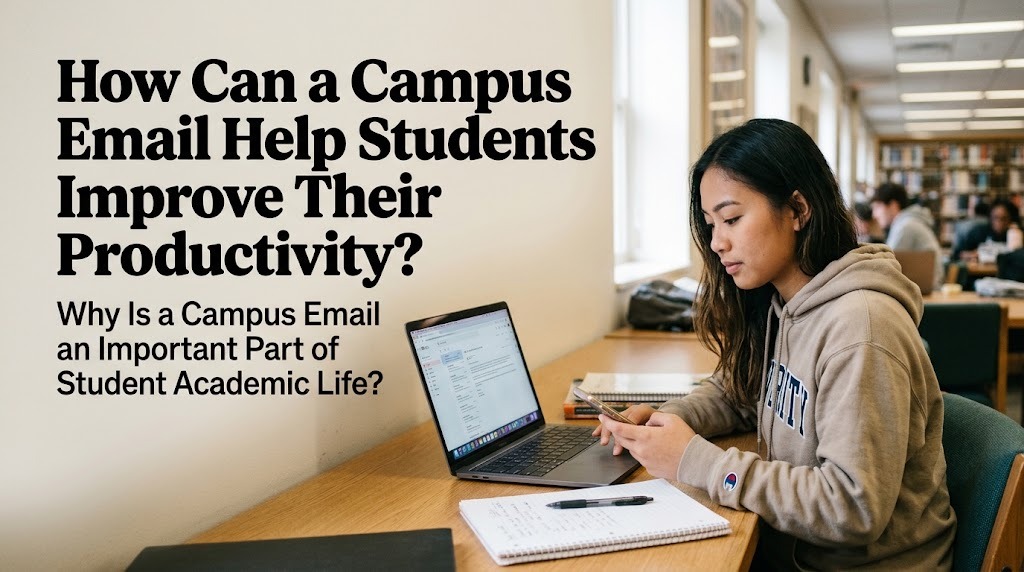
A campus email can help students manage academic communication and daily tasks more efficiently. Instead of relying on different communication channels, students can use one account to receive important academic information. Email can also help students organize assignments, schedules, documents, and messages. When used properly, it can support better time management and academic productivity. Students can therefore make campus email part of their regular study routine.
ORGANIZING ACADEMIC INFORMATION
Students receive many types of information during college, including announcements, assignments, schedules, and administrative messages. A campus email can keep these messages in one place, making them easier to manage. Students can create folders or labels based on subjects, activities, or academic needs. This organization helps them find specific information without spending too much time searching. A structured inbox can make daily academic tasks easier to handle.
Students should also remove unnecessary emails regularly so that important messages are easier to notice. Important messages can be marked or saved for future reference. Using clear categories can prevent different types of information from becoming mixed together. These simple habits can improve digital organization and reduce unnecessary time spent managing an inbox.
MANAGING ASSIGNMENT DEADLINES
Campus email can help students keep track of assignment instructions and deadlines. Lecturers may send details about tasks, submission requirements, and important dates through email. Students can review these messages whenever they need to confirm the requirements. They can also record deadlines in a calendar or task management application. Combining email with a personal schedule can make academic planning more organized.
Students should read assignment emails carefully before starting their work. Important details such as file formats, submission methods, and deadlines should be noted. Students can also keep the original email until the assignment has been completed and submitted. This approach can reduce the risk of missing instructions or deadlines.
USING EMAIL FOR QUICK COMMUNICATION
Email can make communication with lecturers and academic staff more efficient. Students can use it to ask relevant questions when they need clarification about academic matters. A clear subject line helps the recipient understand the purpose of the message quickly. Students should explain their questions briefly and provide necessary context. This can reduce unnecessary back-and-forth communication.
Students should avoid sending several separate emails about the same issue when one well-organized message is enough. They should also allow the recipient reasonable time to respond. Writing clear and concise emails can save time for both students and lecturers. Good communication habits can therefore contribute to a more productive academic routine.
MANAGING ACADEMIC DOCUMENTS
Students often need to handle assignments, reports, presentations, and other academic files. Campus email can help them send and receive documents when email is an approved submission or communication method. Students should use descriptive file names so documents are easy to identify. They should also check attachments before sending messages. These practices can make document management more systematic.
Important emails and attachments can be organized into dedicated folders. Students should keep backup copies of important academic documents in appropriate storage locations rather than relying on email alone. This can help prevent problems if an attachment is accidentally deleted or an account becomes inaccessible. Good file management can save time when students need to find documents later.
DEVELOPING A CONSISTENT EMAIL ROUTINE
Checking campus email at regular times can help students stay updated without constantly interrupting their studies. Students can choose suitable times to review, respond to, and organize emails. Urgent academic messages can be handled first, while less important messages can be managed later. A consistent routine helps students remain aware of important information. It can also prevent a large number of unread messages from building up.
Students should avoid checking email excessively while working on tasks that require concentration. Instead, they can use a simple schedule that balances email management with study time. Notifications can also be adjusted according to personal needs. With consistent habits, campus email can become a useful productivity tool rather than a source of distraction.
CONCLUSION
Students can use a campus email to improve productivity by organizing academic information, tracking deadlines, communicating clearly, and managing documents. Regularly checking and organizing the inbox can help students find important information more quickly. Combining email with calendars, task lists, and proper file storage can make academic planning more effective. With consistent habits, campus email can support a more organized and productive student routine.
Tentang Penulis
Gusti Ayu Tita P
Penulis — Universitas STEKOM
Penulis aktif yang berfokus pada isu-isu akademik, teknologi pendidikan, dan pengembangan sumber daya manusia di lingkungan kampus.