How Can Universities Build Partnerships with Industry?
Gusti Ayu Tita P
29 September 2026
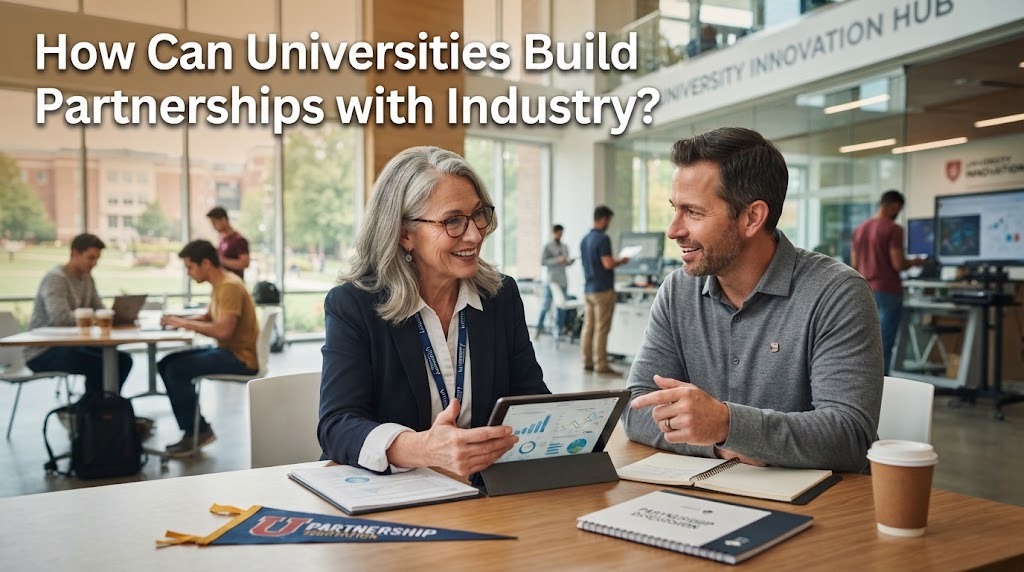
University industry partnerships can help connect academic learning with real workplace needs. Through these partnerships, universities can provide students with practical experience while companies can access knowledge, talent, and research opportunities. A strong partnership requires clear goals, good communication, and benefits for both sides. When managed properly, cooperation can support education, research, innovation, and career development.
IDENTIFYING COMMON GOALS
The first step in building a university industry partnership is identifying shared goals. Universities may want to improve student skills, provide internships, develop research, or update their curriculum. Companies may need skilled graduates, research support, new ideas, or access to specialized knowledge. Understanding these needs helps both parties find areas where cooperation can create meaningful results.
Shared goals should be clearly discussed before a partnership begins. Universities and companies can determine which activities are realistic based on available resources and expertise. Clear objectives also make it easier to measure the results of the collaboration. This prevents partnerships from becoming limited to formal agreements without meaningful activities.
BUILDING STRONG COMMUNICATION
Good communication is essential for maintaining a successful industry partnership. Universities should create clear communication channels with company representatives and regularly discuss ongoing activities. Both sides need to share information about schedules, student requirements, project progress, and expected outcomes. Regular communication can also help identify problems before they become larger issues.
Universities can appoint specific staff or partnership coordinators to manage industry relationships. These coordinators can organize meetings, monitor programs, and help both parties understand their responsibilities. Companies can also provide designated representatives for communication. With clear points of contact, collaboration can become more organized and efficient.
DEVELOPING INTERNSHIP PROGRAMS
Internships are one of the most common ways universities can cooperate with industry. Through internships, students can experience real workplace environments and apply knowledge from their courses. Companies can introduce students to professional procedures, teamwork, technology, and workplace responsibilities. Universities can support the program by preparing students before they enter the workplace.
A useful internship program should have clear learning objectives and supervision. Students should receive meaningful tasks rather than simply performing routine activities. Feedback from workplace supervisors can help students understand their strengths and areas for improvement. Universities can use this feedback to improve student preparation and future internship programs.
CREATING JOINT RESEARCH PROJECTS
Universities can build deeper partnerships by conducting research projects with companies. Academic researchers may provide scientific knowledge and research methods, while companies can contribute practical problems, industry data, or technological resources. Joint research can focus on challenges that are relevant to a particular industry. The results may contribute to innovation, improved processes, or new products and services.
Before starting a research project, both parties should agree on important matters such as objectives, responsibilities, data access, intellectual property, and publication rights. Clear agreements can reduce misunderstandings during the project. Research collaboration can also provide students with opportunities to participate in real projects. This experience can strengthen both academic and practical skills.
INVOLVING INDUSTRY IN CURRICULUM DEVELOPMENT
Industry professionals can provide valuable information about changing workplace requirements. Universities can invite experienced professionals to participate in curriculum discussions, advisory boards, guest lectures, or competency reviews. Their input can help universities identify skills that graduates need in specific sectors. This can make academic programs more responsive to changes in technology and employment.
However, curriculum decisions should consider both academic standards and industry needs. Universities remain responsible for maintaining educational quality and learning objectives. Industry feedback can be used as practical input rather than as the only basis for curriculum decisions. A balanced approach can help students develop both theoretical understanding and workplace skills.
ORGANIZING GUEST LECTURES AND INDUSTRY PROJECTS
Universities can invite industry professionals to share their experience with students. Guest lectures can introduce students to current technologies, workplace challenges, professional standards, and career opportunities. Industry experts can also provide case studies based on real situations. These activities can make classroom learning more connected to practical applications.
Another approach is to create projects based on real industry problems. Students can work individually or in teams to develop possible solutions under academic supervision. Companies can provide feedback on the practicality of student projects. This type of collaboration can encourage problem solving, creativity, teamwork, and professional communication.
CREATING LONG TERM PARTNERSHIPS
A successful university industry partnership should not depend on a single event or short term activity. Universities can develop long term cooperation through regular internships, research programs, training, career events, scholarships, and joint projects. Long term collaboration allows both parties to understand each other's needs more deeply. It also provides more consistent opportunities for students and researchers.
Partnerships should be evaluated regularly to determine whether their goals are being achieved. Universities and companies can review participation, student outcomes, research results, and other agreed indicators. Feedback from students, lecturers, and industry representatives can also be considered. Regular evaluation allows the partnership to be improved as needs change.
CONCLUSION
Universities can build partnerships with industry by identifying shared goals, maintaining clear communication, creating internship programs, conducting joint research, and involving industry professionals in educational activities. Collaboration can also include curriculum development, guest lectures, and real industry projects. Strong partnerships require clear responsibilities, regular evaluation, and benefits for both universities and companies. When these elements are managed consistently, university industry partnerships can strengthen education and better connect students with the world of work.
Tentang Penulis
Gusti Ayu Tita P
Penulis — Universitas STEKOM
Penulis aktif yang berfokus pada isu-isu akademik, teknologi pendidikan, dan pengembangan sumber daya manusia di lingkungan kampus.