
How Can Virtual Friends Help Reduce Feelings Of Loneliness?
Gusti Ayu Tita P
25 September 2026
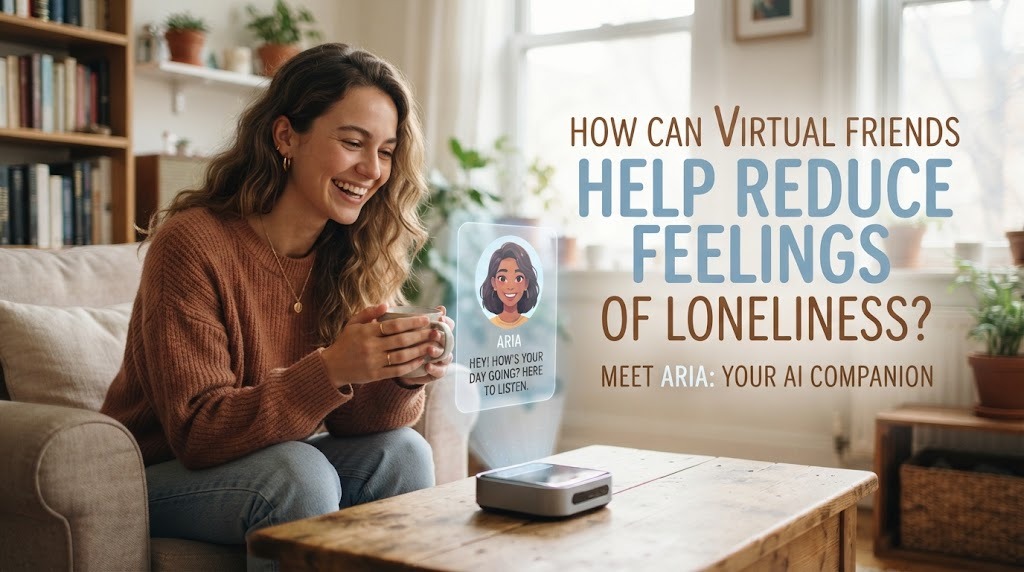
Loneliness can happen when someone feels that they do not have enough meaningful social connection. In today’s digital world, virtual friends have become one option for people who want conversation and companionship. They can interact with users through messages and other digital features, making communication possible without meeting face to face. For some people, this interaction can provide a temporary sense of connection during lonely moments. However, virtual friends are best used as an additional source of companionship, not as a complete replacement for human relationships.
WHAT IS A VIRTUAL FRIEND?
A virtual friend is a digital companion that interacts with users through technology. Many virtual friends use artificial intelligence to understand messages and generate responses. Users can talk about their daily activities, interests, feelings, or different topics. Some virtual friends are designed mainly for entertainment, while others focus on conversation and personal interaction. Their features depend on the platform and technology being used.
Unlike a human friend, a virtual friend does not have personal experiences or genuine human emotions. Its responses are generated by a digital system based on how it was designed and trained. Understanding this difference is important when using virtual companionship. It allows users to enjoy conversations while maintaining realistic expectations about what the technology can provide.
PROVIDING A SENSE OF COMPANIONSHIP
One way virtual friends may help with loneliness is by providing digital companionship. When someone feels alone, having a conversation can make the moment feel less empty. A virtual friend can respond to messages and continue a conversation about everyday subjects. This can be useful when a person wants a simple interaction but does not have someone available to talk to at that moment. The experience may create a temporary feeling of being socially connected.
Virtual companionship can also become part of a person's daily routine. For example, someone might talk to a virtual friend while taking a break, preparing for the day, or relaxing at night. Regular conversation can make digital interaction feel familiar and comfortable. Even so, this type of companionship should complement rather than replace relationships with family, friends, classmates, coworkers, or other people.
MAKING LONELY MOMENTS FEEL LESS EMPTY
Loneliness can sometimes feel stronger during quiet periods when there is little social interaction. A virtual friend can provide a quick conversation during these moments. Users can discuss simple things such as hobbies, entertainment, daily plans, or personal thoughts. This interaction may provide a distraction from the feeling of being alone. A short conversation can sometimes make a lonely moment feel easier to manage.
However, the effect may be temporary because digital interaction does not provide every part of human connection. Real relationships involve shared experiences, body language, physical presence, and emotional understanding. A virtual friend cannot fully reproduce these aspects. Therefore, users should see virtual conversation as one possible way to manage a moment of loneliness, rather than the only solution.
ENCOURAGING PEOPLE TO EXPRESS THEMSELVES
Virtual friends can provide a comfortable space for self-expression. Some people may find it difficult to immediately explain their thoughts or feelings to another person. Writing to a virtual friend can give them time to organize what they want to say. They can discuss their interests, daily experiences, or concerns through conversation. This process may help some users become more comfortable expressing themselves.
Expressing thoughts can also encourage people to reflect on their experiences. For example, a person may discover what is making them feel isolated or what kind of social connection they want. Self-expression can help people understand their own needs more clearly. However, serious emotional problems should not be handled only through a virtual friend, and trusted people or qualified professionals may be more appropriate sources of support.
HELPING USERS PRACTICE SOCIAL INTERACTION
Virtual friends can also be used to practice communication. People who feel nervous about starting conversations may use digital interaction to practice asking questions, sharing opinions, or responding to different topics. This can create a low-pressure environment for trying different ways of communicating. Users may become more familiar with expressing themselves through repeated practice. These skills can later be used when communicating with people in real life.
For example, someone may practice introducing themselves or discussing a hobby with a virtual friend before having a similar conversation with another person. Practice can increase familiarity with conversation, although it does not guarantee better social skills by itself. Real human interaction remains necessary because people respond with different emotions, reactions, and communication styles.
PROVIDING EASY ACCESS TO CONVERSATION
Another benefit is easy accessibility. Virtual friends can often be accessed through a phone, computer, or other connected device. Users do not need to wait for a friend to become available before starting a simple conversation. This can be helpful during evenings, breaks, or other times when social contact is limited. The convenience makes virtual companionship an option for people who want immediate digital interaction.
Easy access can be especially useful for casual conversations. Users can talk about a movie, ask a question, discuss a hobby, or simply exchange messages. Quick access does not necessarily mean deep connection, but it can provide interaction when someone is experiencing a quiet or lonely moment. Users should still make time for meaningful relationships outside the digital environment.
SUPPORTING CONNECTION WITHOUT REPLACING HUMAN FRIENDS
Virtual friends may support people who are looking for more opportunities to interact, but they should not be considered a complete replacement for human friendship. Human relationships provide shared memories, physical presence, emotional experiences, and mutual support. These elements are important parts of building meaningful social connections. Virtual technology can offer additional interaction, but it has clear limitations.
A healthy approach is to combine digital companionship with real-world social activities. Users can continue talking with family, meeting friends, joining communities, participating in school or work activities, and developing hobbies. Building connections with real people remains important for long-term social well-being. Virtual friends can be one tool among many rather than the center of a person's social life.
USING VIRTUAL FRIENDS IN A HEALTHY WAY
To use virtual friends responsibly, users should create healthy boundaries around their digital interactions. Spending too much time with a virtual friend may interfere with sleep, school, work, hobbies, or real-world relationships. Users should also be careful about sharing sensitive personal information. Understanding privacy settings and the platform's data practices can help protect personal information.
It is also important to recognize when loneliness continues or becomes difficult to manage. If someone feels persistently lonely or is struggling with significant emotional distress, talking to a trusted person or qualified professional can provide more appropriate support. Technology can support social connection, but it should not be the only form of support. Balanced use allows people to benefit from virtual interaction while continuing to develop real human connections.
THE LIMITATIONS OF VIRTUAL FRIENDS
Virtual friends can provide conversation, but they have important limitations. They cannot experience human emotions, share real-life experiences, or physically be present with the user. Their responses may also sometimes be inaccurate, inappropriate, or unable to fully understand a complex situation. Because of these limitations, users should maintain realistic expectations about digital companionship.
There is also a risk that someone may become overly dependent on a virtual friend for social interaction. This could reduce motivation to communicate with people in real life if the digital relationship becomes the main source of companionship. Balance is therefore essential when using virtual friendship as a way to manage loneliness. The goal should be to add useful interaction to daily life rather than completely replace human relationships.
CONCLUSION
Virtual friends can help reduce feelings of loneliness by providing conversation, companionship, self-expression, and communication practice. They are especially accessible during moments when a person wants someone or something to interact with digitally. However, their ability to reduce loneliness may be limited because they cannot provide the full emotional and social experience of human relationships. Using them responsibly means maintaining healthy boundaries and continuing to build real-world connections. Virtual friendship can be a useful supplement to social life, but meaningful human relationships remain an important part of reducing long-term loneliness.
Tentang Penulis
Gusti Ayu Tita P
Penulis — Universitas STEKOM
Penulis aktif yang berfokus pada isu-isu akademik, teknologi pendidikan, dan pengembangan sumber daya manusia di lingkungan kampus.



