How Can Workaholism Affect Work Life Balance?
Gusti Ayu Tita P
24 September 2026
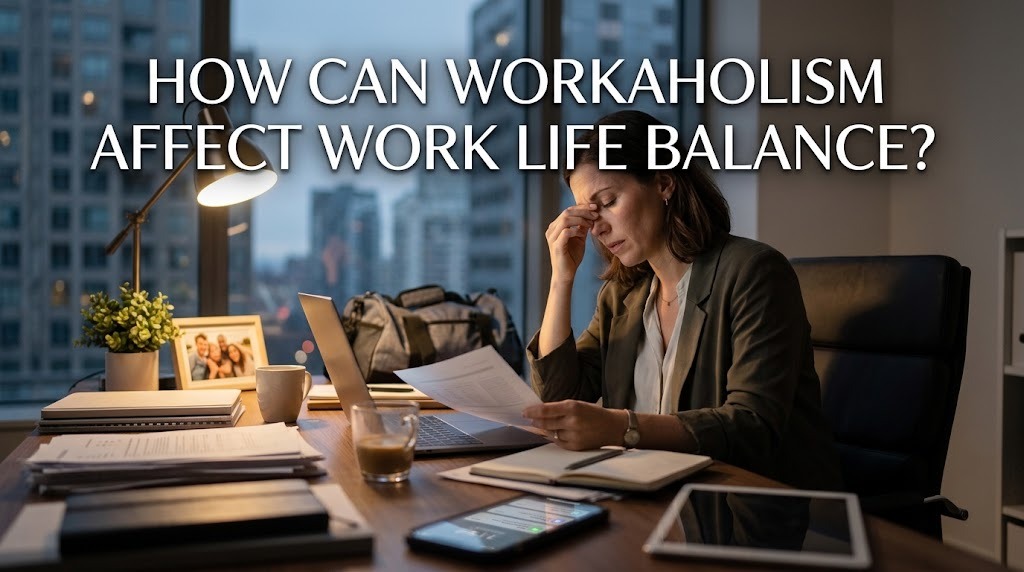
Work is an important part of everyday life, but excessive focus on work can affect other areas of well-being. Workaholism occurs when a person feels a strong need to keep working and finds it difficult to disconnect from work. Over time, this habit can reduce the time available for family, friends, hobbies, and rest. Understanding its effects can help people recognize the importance of maintaining a healthy work life balance.
UNDERSTANDING WORK LIFE BALANCE
Work life balance refers to the ability to manage work responsibilities while still having enough time and energy for personal needs. It does not necessarily mean spending exactly the same amount of time on work and personal activities. Instead, it involves creating a routine where important responsibilities can be completed without consistently sacrificing health and personal life. A balanced routine can support sustainable performance over time.
Maintaining balance can become more difficult when work demands increase. Temporary periods of intense work may be necessary because of deadlines or important projects. However, constantly allowing work to take priority over every other activity can create an unhealthy pattern. Balance requires reasonable boundaries between professional responsibilities and personal time.
WORKAHOLISM CAN REDUCE PERSONAL TIME
One of the most noticeable effects of workaholism is having less time for activities outside work. A person may regularly stay late, work during weekends, or check messages during their free time. As a result, activities that support personal well-being may be repeatedly postponed. Personal time can gradually disappear when working becomes the main daily priority.
This reduction in personal time can affect simple activities such as eating meals without interruptions, enjoying hobbies, or spending time with family. Even when a person is physically away from work, constantly thinking about unfinished tasks can make it difficult to enjoy their free time. This creates a situation where work continues to occupy attention beyond working hours. Over time, the boundary between work and personal life can become increasingly unclear.
EFFECTS ON FAMILY AND SOCIAL RELATIONSHIPS
Workaholism can also influence relationships with family and friends. When someone repeatedly chooses work over social activities, important opportunities for communication and connection may be missed. Friends or family members may receive less attention because the person is frequently occupied with work. This does not mean every busy period will damage relationships, but consistently limited availability can create difficulties.
Communication can become especially challenging when work remains the main topic of attention. A person may physically spend time with others while continuing to check work notifications or think about unfinished tasks. This can reduce the quality of social interactions. Creating dedicated periods without work-related distractions can help protect important relationships.
WORKAHOLISM CAN AFFECT REST AND RECOVERY
Healthy work life balance requires sufficient rest and recovery. However, workaholic behavior can make people feel that taking a break is unproductive or unnecessary. They may continue working late despite feeling tired or use weekends to catch up on additional tasks. Without enough recovery, maintaining concentration and energy can become more difficult.
Sleep can also be affected when work continues into the evening. Checking emails or thinking about work before going to bed may make it harder to mentally switch off. When rest is repeatedly reduced, tiredness can accumulate and affect daily functioning. Making rest a regular priority can help create a healthier relationship with work.
HOW TO RESTORE A HEALTHIER BALANCE
Improving work life balance begins with identifying which work habits are taking too much time or attention. Setting clear working hours can provide a practical boundary between professional and personal activities. People can also schedule breaks, protect their free time, and reduce unnecessary work notifications outside working hours. Small changes can gradually make boundaries easier to maintain.
Prioritizing tasks is another useful strategy. Completing the most important responsibilities first can reduce the need to keep working simply because there are unfinished minor tasks. Making time for hobbies, family, friends, and adequate sleep should also be part of the daily or weekly routine. Healthy productivity means achieving important goals without constantly sacrificing personal needs.
CONCLUSION
Workaholism can affect work life balance by reducing personal time, limiting social interactions, interfering with rest, and making it difficult to disconnect from professional responsibilities. Working hard is not automatically unhealthy, especially when demanding periods are temporary and necessary. The main concern is when excessive work becomes a persistent pattern that regularly replaces important personal needs. By establishing boundaries, prioritizing tasks, protecting rest, and making time for relationships, people can gradually develop a more balanced and sustainable routine.
Tentang Penulis
Gusti Ayu Tita P
Penulis — Universitas STEKOM
Penulis aktif yang berfokus pada isu-isu akademik, teknologi pendidikan, dan pengembangan sumber daya manusia di lingkungan kampus.