How Can You Choose a Positive Hobby Community?
Gusti Ayu Tita P
29 September 2026
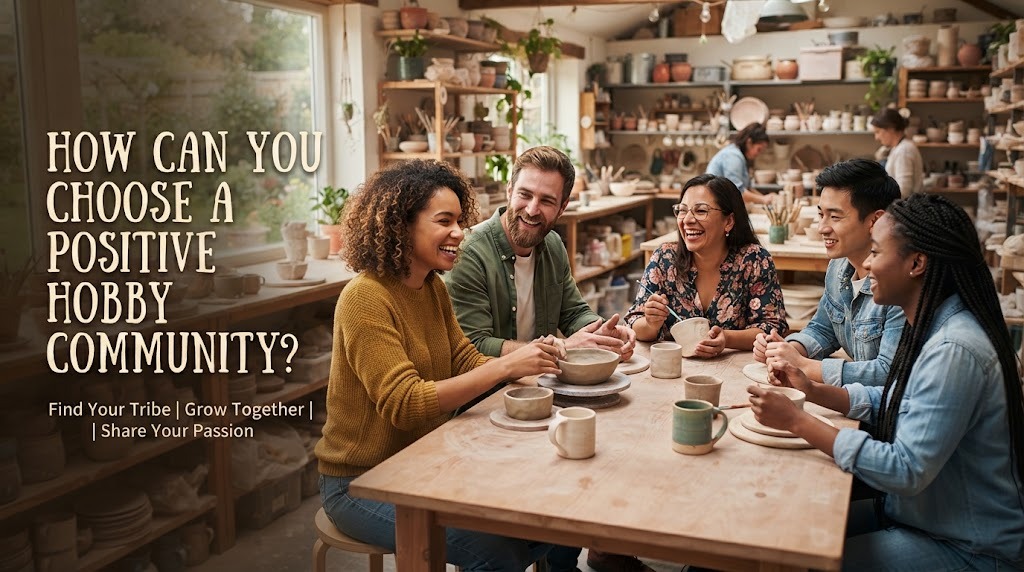
A hobby community can be a great place to meet people who share similar interests. It can help you learn new skills, exchange ideas, and build meaningful social connections. However, not every community has the same atmosphere or values. Choosing a positive hobby community is important so you can enjoy your activities in a safe, supportive, and comfortable environment.
UNDERSTAND YOUR HOBBY INTERESTS
The first step is to understand what kind of hobby you want to develop. Think about the activities you enjoy, such as reading, photography, sports, cooking, music, gaming, or crafting. Choosing a community that matches your interests can make it easier to participate and communicate with other members. You should also consider whether you prefer a community focused on learning, social activities, competitions, or casual conversations.
Knowing your goals can help you find a community that provides the right experience. For example, someone who wants to improve photography skills may prefer a group that regularly organizes photography activities. Meanwhile, someone who simply wants to make friends may prefer a relaxed community with regular social gatherings.
CHECK THE COMMUNITY ENVIRONMENT
A positive community usually creates an environment where members can communicate respectfully. Before joining, pay attention to how existing members interact with each other. Look for conversations that show support, cooperation, and appreciation for different opinions. A healthy environment should make beginners feel welcome instead of making them afraid to ask questions.
You can observe the community through its social media pages, online discussions, or public activities. If members frequently encourage one another and share useful information, this can be a positive sign. On the other hand, frequent arguments, personal attacks, or excessive negativity may indicate that the community does not match your expectations.
LOOK AT THE COMMUNITY RULES
Community rules can provide important information about how members are expected to behave. Good rules often cover respectful communication, appropriate content, privacy, and responsible participation. Clear guidelines can help prevent conflicts and create a more comfortable experience for everyone. They also show that the community takes member safety and mutual respect seriously.
Read the rules carefully before becoming an active member. Make sure the rules are reasonable and consistent with your personal boundaries. A community does not need to have complicated regulations, but it should have basic standards that encourage respectful and responsible behavior.
OBSERVE HOW MEMBERS TREAT BEGINNERS
The way a community treats new members can tell you a lot about its culture. Positive hobby communities usually give beginners opportunities to ask questions and learn without unnecessary pressure. Experienced members may share advice, explain activities, and help newcomers understand the community. This kind of support can make it easier for new members to become confident participants.
You should also consider whether the community respects different skill levels. A beginner should not be constantly compared with an experienced member. Healthy communities understand that people join with different levels of knowledge and experience. This creates a learning environment where members can improve at their own pace.
CONSIDER THE COMMUNITY ACTIVITIES
The activities organized by a community should match your interests and personal goals. Some groups may focus on regular meetings, workshops, competitions, outdoor activities, or online discussions. Check how often these activities are held and whether they are accessible to members with different schedules. A community with activities that you genuinely enjoy can help you stay engaged for a longer time.
It is also useful to understand how activities are organized. Positive communities generally provide clear information about schedules, participation requirements, and responsibilities. Members should not feel pressured to participate in every activity. Having freedom to choose your level of involvement can make the experience more enjoyable.
PAY ATTENTION TO COMMUNICATION STYLE
Communication is an important part of any hobby community. Members should be able to express ideas, ask questions, and disagree without attacking one another. Look for communication that is friendly, constructive, and focused on the shared hobby. A respectful communication style can reduce unnecessary conflict and help members feel comfortable.
Online communities require additional attention because written messages can sometimes be misunderstood. Check whether moderators or community leaders respond appropriately when conflicts occur. A community that handles disagreements calmly can provide a healthier environment than one where conflicts are ignored or encouraged.
CHECK THE LEADERSHIP AND MODERATION
Community leaders and moderators can have a major influence on the overall atmosphere. Responsible leaders should communicate rules clearly and apply them consistently. They should also take reasonable action when members behave disrespectfully or violate important community guidelines. Good moderation can help maintain a welcoming environment for everyone.
You do not need to expect perfect leadership from a hobby group. However, leaders should generally demonstrate fairness, responsibility, and respect. If moderators regularly encourage constructive discussions and help resolve problems, it can be a useful sign that the community is managed carefully.
PROTECT YOUR PERSONAL BOUNDARIES
Joining a hobby community does not mean you have to share every part of your personal life. Be careful about providing sensitive information, especially in online communities. You can participate in discussions without immediately sharing details such as your home address, financial information, passwords, or other private data. Healthy communities should respect reasonable personal boundaries.
You should also feel free to leave conversations or activities that make you uncomfortable. A positive community should not force members to participate in activities against their wishes. Maintaining personal boundaries allows you to enjoy the hobby while protecting your privacy and well-being.
TRY THE COMMUNITY BEFORE COMMITTING
If possible, observe or join a community activity before becoming deeply involved. Many groups allow potential members to attend public meetings, join online discussions, or participate in introductory activities. This gives you an opportunity to see whether the community matches your expectations. Your first-hand experience can be more useful than judging a group only from its description.
Pay attention to how you feel during and after participating. Consider whether you feel welcomed, respected, and comfortable communicating with other members. You can also ask yourself whether the activities provide useful experiences and whether the community supports your hobby goals. If the environment feels positive and suitable, you can gradually become more active.
CONCLUSION
Choosing a positive hobby community requires more than finding people with the same interests. You should also consider the community environment, rules, communication style, activities, leadership, and treatment of new members. A supportive group can help you develop skills, make friends, and enjoy your hobby more consistently. By observing the community carefully and maintaining your personal boundaries, you can find a group that provides a healthy and enjoyable experience.
Tentang Penulis
Gusti Ayu Tita P
Penulis — Universitas STEKOM
Penulis aktif yang berfokus pada isu-isu akademik, teknologi pendidikan, dan pengembangan sumber daya manusia di lingkungan kampus.