How Digital Technology Simplifies Public Aspirations and Civic Engagement?
Gusti Ayu Tita P
12 Oktober 2026
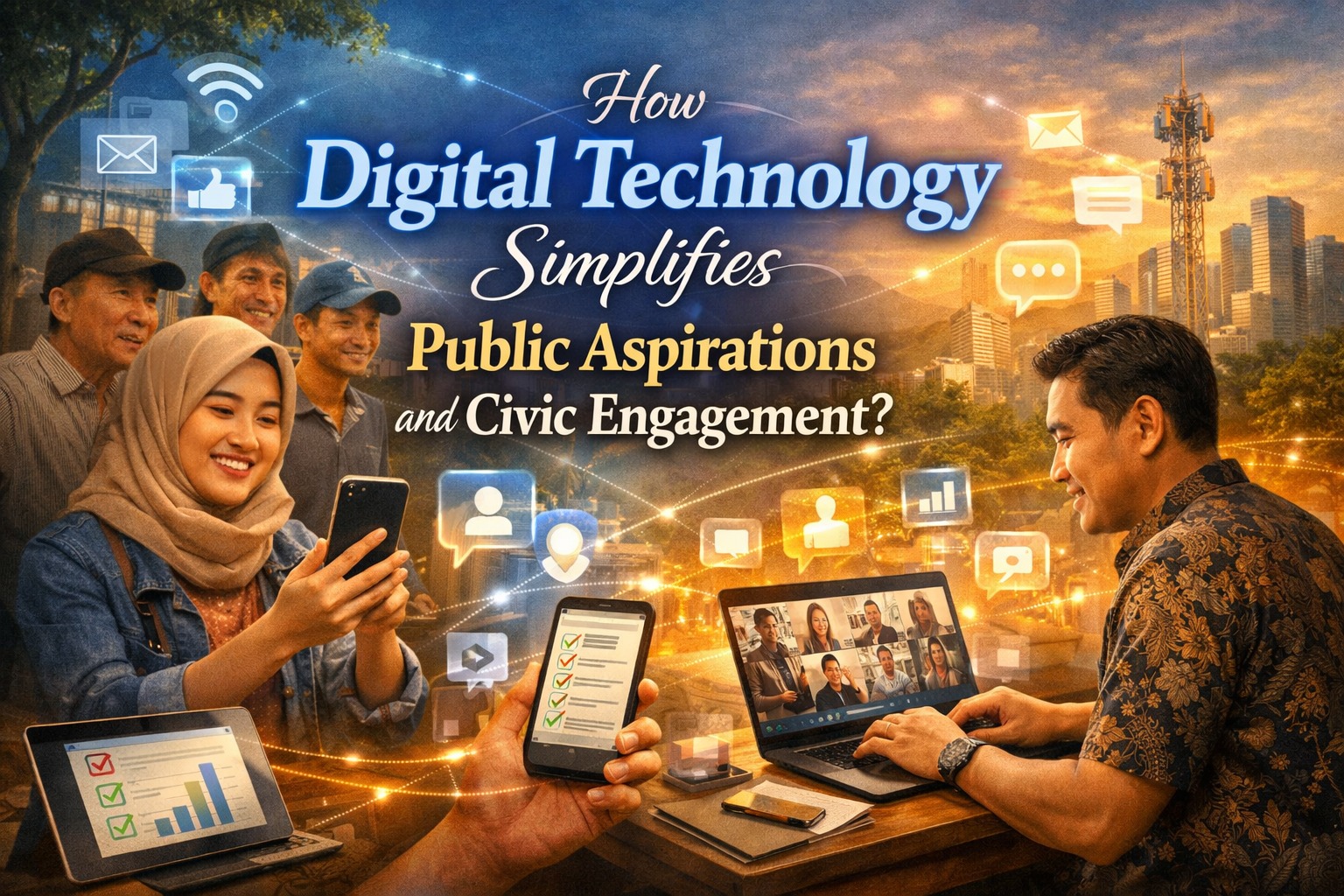
Digital technology has transformed the way people communicate with governments, communities, and public institutions. Today, citizens no longer need to rely solely on face-to-face meetings or written letters to express their concerns and ideas. Through digital platforms, social media, websites, and mobile applications, public aspirations can be shared more quickly and efficiently. This digital transformation encourages greater participation from individuals of all ages and backgrounds.
The rise of civic engagement through technology also strengthens democratic values by making communication more open and transparent. Citizens can provide feedback, report issues, participate in public discussions, and monitor government initiatives in real time. As a result, communities become more connected, and decision-makers gain valuable insights from the people they serve.
THE ROLE OF DIGITAL TECHNOLOGY IN PUBLIC ASPIRATIONS
Digital technology provides accessible channels that allow people to submit suggestions, complaints, and ideas without geographical limitations. Government portals, online surveys, and community platforms simplify communication between citizens and public officials. These tools reduce administrative barriers while improving response times and service quality. As more services become digital, public participation continues to increase.
In addition, digital communication creates opportunities for governments to gather large amounts of public feedback efficiently. Instead of waiting for periodic public meetings, institutions can receive continuous input through online platforms. This enables authorities to identify urgent issues more quickly and make better-informed decisions. Ultimately, technology strengthens collaboration between governments and communities.
BENEFITS OF DIGITAL PLATFORMS FOR CIVIC ENGAGEMENT
One of the greatest advantages of digital platforms is their ability to encourage broader civic participation. People can engage in discussions, vote in public consultations, and contribute ideas regardless of their location. This convenience makes it easier for busy individuals, students, professionals, and rural communities to participate in public affairs. Increased accessibility leads to stronger community involvement.
Another important benefit is transparency. Digital systems often allow citizens to track the progress of submitted reports or proposals. This visibility builds public trust because people can see how institutions respond to community concerns. Transparent communication also reduces misunderstandings and promotes greater accountability among public organizations.
SOCIAL MEDIA AS A TOOL FOR PUBLIC PARTICIPATION
Social media has become one of the most influential tools for encouraging public aspirations. Platforms such as Facebook, Instagram, X, and LinkedIn enable citizens to raise awareness about community issues within minutes. Important messages can spread rapidly, attracting support from wider audiences and encouraging meaningful discussions. This helps governments identify public concerns more effectively.
Furthermore, social media campaigns encourage collaboration between citizens, nonprofit organizations, and government agencies. Educational campaigns, public surveys, and live discussions provide opportunities for people to contribute actively to community development. When used responsibly, social media becomes a valuable bridge between society and policymakers.
DIGITAL INNOVATION IMPROVES GOVERNMENT RESPONSIVENESS
Modern governments increasingly adopt digital innovation to improve public services and citizen engagement. Artificial intelligence, online complaint systems, chatbots, and integrated service portals enable faster responses to public needs. These technologies reduce manual processes and improve operational efficiency. Citizens benefit from quicker access to information and more convenient communication channels.
Additionally, data analytics helps authorities understand community trends and prioritize important issues. By analyzing public feedback, governments can develop policies that better reflect citizens' expectations. This data-driven approach contributes to more effective governance while strengthening long-term public trust.
CHALLENGES OF DIGITAL CIVIC ENGAGEMENT
Although digital technology offers many benefits, several challenges still need attention. Digital inequality remains a significant issue because not everyone has reliable internet access or sufficient digital skills. This gap can limit participation among certain groups, particularly those in remote or underserved areas. Expanding digital infrastructure and education is essential to ensure equal opportunities for all citizens.
Another challenge involves cybersecurity and data privacy. Personal information shared through digital platforms must be protected from unauthorized access and cyber threats. Governments and organizations should implement strong security measures while educating users about responsible online behavior. Maintaining trust is essential for the long-term success of digital civic engagement.
STRATEGIES TO ENCOURAGE GREATER PUBLIC PARTICIPATION
Governments and organizations should invest in user-friendly digital platforms that are accessible across different devices. Simple interfaces, multilingual support, and clear instructions encourage more citizens to participate. Regular public awareness campaigns also help people understand the benefits of contributing their opinions through digital channels. Education remains a key factor in increasing civic engagement.
Collaboration between governments, educational institutions, businesses, and community organizations further strengthens public participation. Training programs, digital literacy initiatives, and community workshops equip citizens with the skills needed to engage confidently online. Together, these efforts create a more inclusive and participatory society.
CONCLUSION
Digital technology has significantly simplified the way citizens express public aspirations and participate in community decision-making. Through digital platforms, social media, and innovative government services, communication becomes faster, more transparent, and more inclusive. While challenges such as digital inequality and cybersecurity remain, continuous investment in technology and education can address these concerns effectively.
As digital transformation continues to evolve, stronger civic engagement will contribute to more responsive governance and sustainable community development. By embracing innovation responsibly, governments and citizens can work together to build a more transparent, connected, and democratic society.
Tentang Penulis
Gusti Ayu Tita P
Penulis — Universitas STEKOM
Penulis aktif yang berfokus pada isu-isu akademik, teknologi pendidikan, dan pengembangan sumber daya manusia di lingkungan kampus.