How Do Companies Determine the PPE Needed by Workers?
Gusti Ayu Tita P
29 September 2026
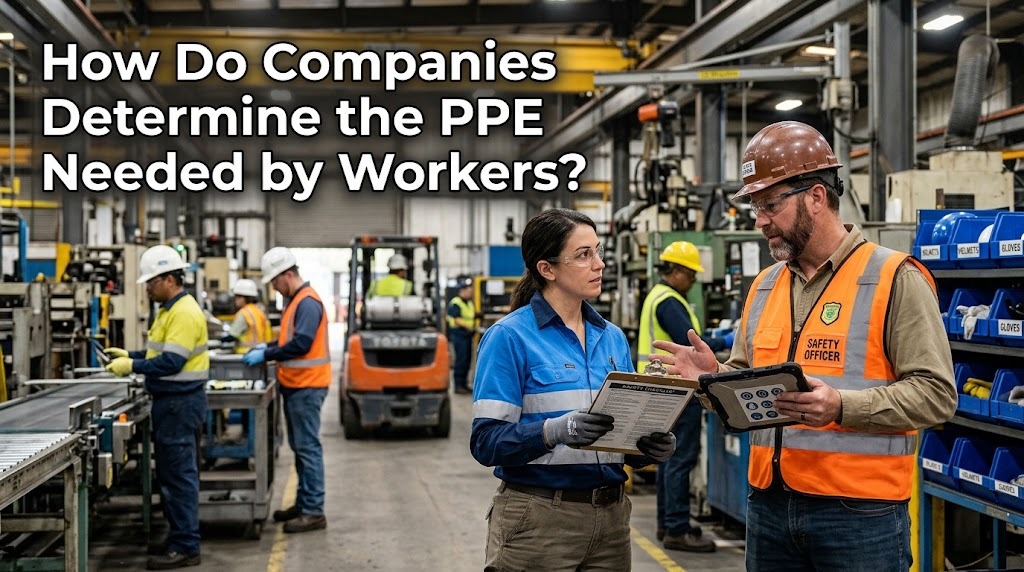
Companies need to provide Personal Protective Equipment or PPE that matches the hazards workers may face during their jobs. Not every worker requires the same type of protective equipment because different tasks and work environments create different risks. Employers need to understand these risks before deciding which PPE should be provided. Proper PPE selection can help protect workers and support a safer working environment.
IDENTIFY WORKPLACE HAZARDS
The first step in determining the required PPE is to identify workplace hazards. Companies should examine the tasks workers perform and look for potential sources of injury or harmful exposure. These hazards may include falling objects, sharp materials, chemicals, excessive noise, dust, heat, or other dangerous conditions. A careful hazard identification process helps employers understand what types of protection may be necessary.
Hazards can also vary between different areas of the same workplace. A warehouse, laboratory, workshop, and office may have very different safety requirements. Companies should therefore consider the specific conditions of each work area rather than applying exactly the same PPE requirements to everyone. Regularly reviewing hazards can also help identify new risks that may appear when work processes change.
CONDUCT A WORKPLACE RISK ASSESSMENT
After identifying hazards, companies can conduct a workplace risk assessment. This process involves considering how workers could be exposed to hazards and determining appropriate ways to control those risks. Employers should consider the type of hazard, how frequently workers are exposed, and the potential consequences of exposure. The results can help determine whether PPE is necessary and what type may be appropriate.
PPE is generally considered an additional protective measure rather than the only way to control hazards. Companies should first consider ways to eliminate or reduce hazards where possible. When workers still need protection from remaining risks, suitable PPE can be selected. This approach helps ensure that PPE is used as part of a broader workplace safety program.
MATCH PPE TO THE SPECIFIC TASK
Different jobs require different types of protective equipment. Workers who may encounter falling objects could require suitable head protection, while workers exposed to flying particles may need appropriate eye protection. Gloves can protect against certain hand hazards, and safety footwear may be necessary where there is a risk of foot injury. The equipment should always match the specific hazards associated with the task.
Companies should also consider whether workers face multiple hazards at the same time. A particular job may require several types of PPE, such as eye protection, gloves, hearing protection, and protective clothing. Equipment should work together without creating additional risks or making the task unnecessarily difficult. Proper selection helps workers receive protection while still being able to perform their duties effectively.
CONSIDER PPE FIT AND COMFORT
The effectiveness of PPE can depend on whether it fits the worker properly. Equipment that is too loose, too tight, or otherwise unsuitable may interfere with movement or make it difficult to perform a task safely. Companies should provide PPE in appropriate sizes and consider the needs of different workers. Proper fitting can also encourage workers to use protective equipment consistently.
Comfort is another factor that companies should consider when selecting PPE. Workers may be less likely to use equipment correctly if it causes unnecessary discomfort or interferes with their work. However, comfort should not replace the need for adequate protection. Employers should look for equipment that provides suitable protection while allowing workers to perform their tasks safely.
PROVIDE TRAINING AND REVIEW PPE REQUIREMENTS
Selecting PPE is not enough because workers also need to understand how to use it correctly. Companies should provide training on how to wear, adjust, inspect, clean, store, and replace protective equipment. Workers should understand the hazards that the PPE is intended to protect against and know its limitations. Clear instructions can help prevent incorrect use and improve compliance with workplace safety procedures.
PPE requirements should also be reviewed regularly. Changes in machinery, materials, work processes, or workplace conditions may introduce new hazards. Companies should reassess their PPE needs when significant changes occur or when existing equipment is no longer suitable. Regular reviews help ensure that protective equipment remains appropriate for current workplace risks.
CONCLUSION
Companies determine the PPE needed by workers by identifying workplace hazards, assessing risks, and matching protective equipment to specific tasks. Employers should consider different hazards, multiple exposures, proper fit, comfort, and the limitations of each type of PPE. Workers should also receive appropriate training so they know how to use and maintain their equipment correctly. PPE requirements should be reviewed whenever workplace conditions or job responsibilities change. A systematic approach to PPE selection can help companies provide suitable protection and support a safer workplace.
Tentang Penulis
Gusti Ayu Tita P
Penulis — Universitas STEKOM
Penulis aktif yang berfokus pada isu-isu akademik, teknologi pendidikan, dan pengembangan sumber daya manusia di lingkungan kampus.