How Do Industry Partners Help Improve Student Skills?
Gusti Ayu Tita P
29 September 2026
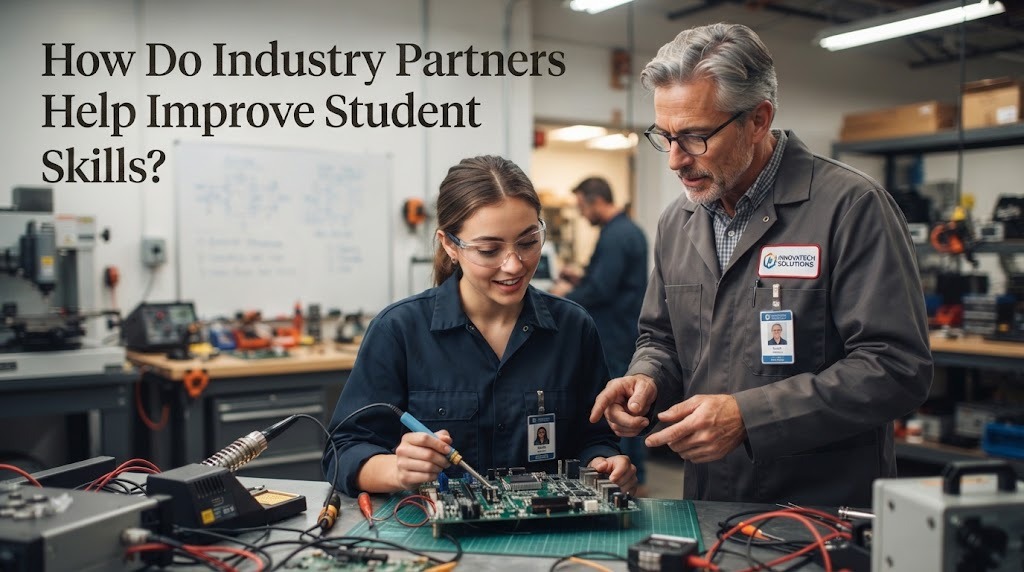
Industry partners play an important role in helping students prepare for the workplace. Universities can provide academic knowledge, but students also need practical experience to understand how their knowledge is applied in real situations. Through cooperation with companies and professional organizations, students can learn about workplace expectations, technology, communication, and problem solving. This collaboration can also help educational institutions keep learning programs connected to current industry needs.
PROVIDING REAL WORLD LEARNING EXPERIENCES
Industry partners can provide students with opportunities to experience real workplace situations. Through internships, company visits, projects, and practical training, students can see how professional tasks are completed. These activities allow students to apply theories learned in class to actual problems. Students can also learn how employees communicate, manage responsibilities, and work according to professional standards. As a result, learning becomes more practical and connected to future career needs.
Real world experience can also help students understand the challenges of their chosen field. They may discover that workplace tasks require flexibility, teamwork, and continuous learning. By experiencing these situations early, students can identify areas where they need to improve. This experience can make them more confident when entering the workforce after graduation.
DEVELOPING TECHNICAL AND DIGITAL SKILLS
Industry partners can help students develop technical skills that are commonly used in professional environments. Companies may introduce students to current software, equipment, systems, or working methods related to their industry. This exposure allows students to understand how technology is used to complete tasks efficiently. Students can also learn practical skills that may not be fully covered through classroom lessons. These experiences can make their academic knowledge more applicable.
Digital skills are increasingly important across many industries. Students may need to understand data tools, digital communication platforms, project management systems, or specialized software depending on their field. Industry collaboration gives students opportunities to become familiar with these technologies before entering full time employment. This can help them adapt more easily to changes in the workplace.
IMPROVING COMMUNICATION AND TEAMWORK
Industry projects often require students to work with other people to achieve a shared goal. This gives students opportunities to practice communication, cooperation, and responsibility. They may need to discuss ideas, divide tasks, provide feedback, and solve disagreements professionally. These activities can strengthen interpersonal skills that are important in almost every career. Students also learn that successful teamwork requires active listening and respect for different opinions.
Communication skills can also improve through interaction with industry professionals. Students may learn how to communicate with supervisors, clients, colleagues, or other stakeholders. They can practice presenting ideas clearly and responding to questions in a professional manner. These experiences can prepare students for workplace communication and professional relationships.
STRENGTHENING PROBLEM SOLVING SKILLS
Industry partners can expose students to practical problems that require logical and creative solutions. Unlike many classroom exercises, workplace problems may have several possible solutions and involve changing conditions. Students need to analyze information, identify the main problem, and consider the consequences of different choices. This process can improve their critical thinking and decision making skills. Students can also learn that mistakes can become opportunities for improvement when they are evaluated properly.
Practical projects can encourage students to become more independent when solving problems. Instead of simply following predetermined instructions, they may need to research information and develop their own approach. Guidance from industry professionals can help students understand how experienced workers analyze and handle challenges. Over time, these experiences can make students more confident when facing unfamiliar situations.
TEACHING PROFESSIONAL WORK ETHICS
Industry collaboration can introduce students to professional standards and workplace ethics. Students can learn about punctuality, responsibility, confidentiality, discipline, and appropriate communication. These values are important because technical knowledge alone does not guarantee successful professional performance. Students also need to understand how their behavior can affect colleagues, customers, and organizations. Early exposure to professional expectations can help students develop responsible working habits.
Industry partners can demonstrate how ethical decisions are made in real situations. Students may learn why organizations have rules related to data protection, workplace safety, quality standards, and professional conduct. Understanding these principles can help students become more aware of their responsibilities. It also prepares them to handle professional situations with greater care and accountability.
CONNECTING STUDENTS WITH CAREER OPPORTUNITIES
Industry partnerships can create opportunities for students to learn more about potential career paths. Guest lectures, internships, career events, and professional mentoring can introduce students to different roles within an industry. Students can ask professionals about their work, required skills, and career development. This information can help students make more informed decisions about their future plans. It can also help them understand which skills they should develop before graduation.
In some cases, industry collaboration may also provide opportunities for internships or entry level employment. Students who demonstrate strong performance during practical projects may gain professional networks and references. However, employment opportunities depend on company needs, student qualifications, and available positions. The main benefit is that students gain greater exposure to the professional environment and can better understand what employers expect.
HELPING UNIVERSITIES UPDATE LEARNING PROGRAMS
Industry partners can also contribute to curriculum development by sharing information about current workplace needs. Industry professionals may provide feedback about technical skills, digital tools, or professional abilities that graduates need. Universities can use this feedback to review courses and practical activities. This helps ensure that academic programs remain relevant as industries change. Regular communication between universities and industry can therefore support continuous curriculum improvement.
This collaboration can also help educators understand emerging trends. New technologies and working methods may develop faster than traditional academic materials. Input from industry can help universities identify areas that should receive greater attention in learning programs. As a result, students can receive education that combines academic foundations with practical workplace relevance.
CONCLUSION
Industry partners can help improve student skills by connecting academic learning with real workplace experiences. Through internships, projects, mentoring, and professional activities, students can develop technical abilities as well as communication, teamwork, problem solving, and professional ethics. Industry collaboration can also help students understand career opportunities and workplace expectations. At the same time, feedback from industry can support universities in improving their curricula and practical learning methods. Strong cooperation between education and industry can therefore help students become better prepared for changing professional environments.
Tentang Penulis
Gusti Ayu Tita P
Penulis — Universitas STEKOM
Penulis aktif yang berfokus pada isu-isu akademik, teknologi pendidikan, dan pengembangan sumber daya manusia di lingkungan kampus.