How Do Ministry Civil Servants Strengthen Good Governance?
Gusti Ayu Tita P
26 September 2026
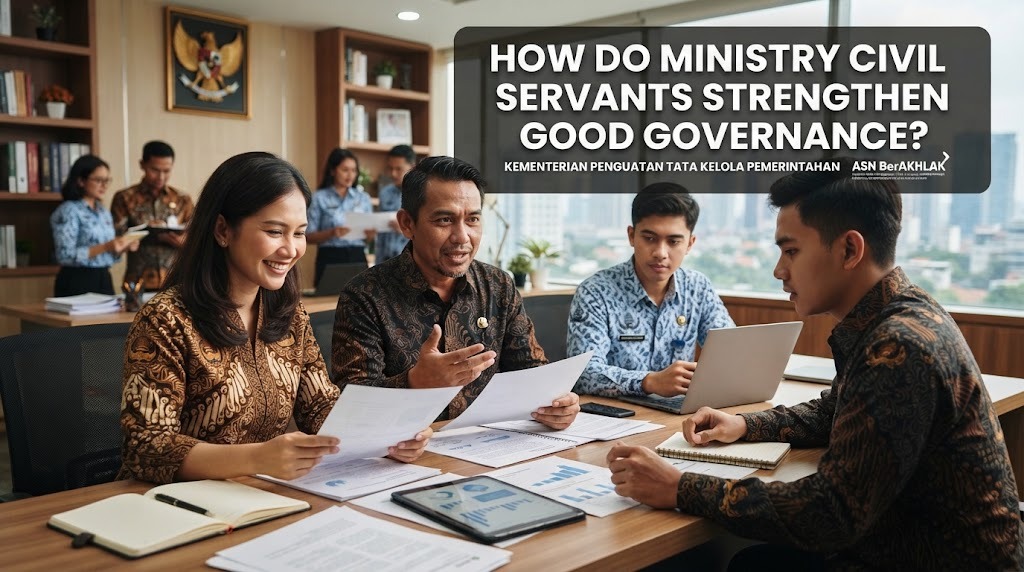
Good governance is important for creating government institutions that work effectively, transparently, and responsibly. Ministry Civil Servants have an important role because they help implement government programs, manage public resources, and provide services to the community. Their daily actions can influence the quality of public administration. Strong professional standards can therefore support better governance.
APPLYING TRANSPARENCY IN GOVERNMENT WORK
Transparency means providing appropriate information about government activities and decisions in accordance with applicable rules. Civil servants can support transparency by maintaining accurate records and communicating relevant information clearly. Government Transparency can help the public understand how programs and services are managed. It can also make administrative processes easier to monitor.
Transparency must still consider information that is legally restricted or confidential. Employees should understand which information can be shared and which information requires protection. Public Information needs to be managed carefully to balance openness with privacy and security requirements. Proper documentation can also support accountability when government activities are evaluated.
STRENGTHENING ACCOUNTABILITY
Accountability means that employees and institutions are responsible for their actions, decisions, and use of resources. Civil servants can strengthen accountability by following procedures, documenting their work, and reporting results accurately. Public Accountability helps ensure that government responsibilities are carried out according to established standards. It also provides a basis for evaluating whether programs achieve their intended objectives.
Accountability requires more than simply completing administrative reports. Employees should understand the reasons behind their responsibilities and be prepared to explain the results of their work. Work Responsibility can encourage employees to take ownership of their duties. Clear performance indicators can also help institutions monitor progress and identify areas for improvement.
MAINTAINING PROFESSIONAL INTEGRITY
Integrity is a key part of good governance because public institutions depend on trust. Civil servants should perform their duties honestly and avoid using their position for inappropriate personal benefits. Professional Integrity encourages employees to make decisions based on legitimate responsibilities rather than personal interests. Consistent ethical behavior can contribute to public confidence in government institutions.
Employees also need to recognize and manage potential conflicts of interest. They should follow applicable ethical standards and report situations that may affect their objectivity through appropriate channels. Ethical Conduct can help prevent inappropriate behavior and strengthen professional standards. Integrity should be applied in both major decisions and routine administrative activities.
IMPROVING PUBLIC SERVICE QUALITY
Good governance is closely connected to the quality of services provided to the community. Civil servants can improve services by making procedures clearer, responding to public needs, and using resources efficiently. Public Service Quality can improve when employees understand both administrative requirements and the needs of service users. Effective communication is also important when explaining procedures or responding to questions.
Technology can support improvements in public services. Digital platforms can make some services more accessible and reduce unnecessary administrative steps. Digital Government requires employees to understand technology while maintaining data security and service standards. Regular evaluation can help institutions determine whether digital services are actually improving the user experience.
BUILDING EFFECTIVE COLLABORATION
Good governance often requires cooperation between different departments and government institutions. Civil servants can share information, coordinate programs, and work together to solve administrative challenges. Government Collaboration can reduce duplicated efforts and support more consistent implementation of public programs. Effective teamwork is particularly important when an issue involves multiple areas of government responsibility.
Collaboration can also involve communication with communities and other stakeholders. Listening to relevant feedback can help institutions understand problems and identify practical solutions. Stakeholder Engagement can create opportunities for government institutions to improve programs based on real conditions. Through cooperation and communication, civil servants can contribute to more responsive and effective governance.
CONCLUSION
Ministry Civil Servants can strengthen good governance through Government Transparency, accountability, professional integrity, quality public services, and effective collaboration. Their responsibilities require them to follow procedures while remaining responsive to changing public needs. Accurate information, ethical conduct, and responsible use of public resources are important foundations of good governance. Digital technology can also support better services when it is implemented securely and appropriately. Through consistent professional behavior and cooperation, civil servants can contribute to more transparent, accountable, and effective public administration.
Tentang Penulis
Gusti Ayu Tita P
Penulis — Universitas STEKOM
Penulis aktif yang berfokus pada isu-isu akademik, teknologi pendidikan, dan pengembangan sumber daya manusia di lingkungan kampus.